
10 Things That Can Affect the Performance of Shaved Bats
Shaved bat performance can change based on temperature, ball construction, the amount of material removed, swing speed, contact location, storage conditions, and overall wear. Understanding these factors can help players better evaluate performance and durability during settings where altered bats are permitted.
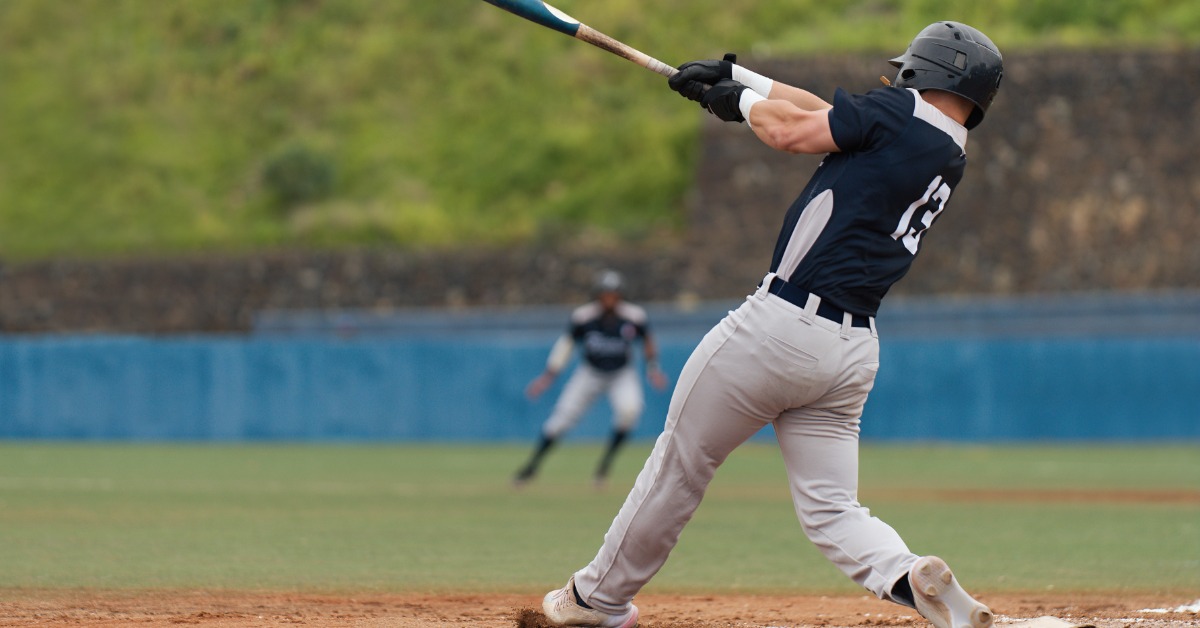
For softball and baseball players who pay close attention to their equipment, small changes can make a noticeable difference at the plate. Bat weight, weather, ball construction, swing mechanics, and even storage conditions can influence how a bat feels when contact happens.
That becomes especially important with shaved bats. Shaving removes material from inside a bat’s barrel, changing its original construction. Because the barrel no longer has the same wall thickness it had when it left the manufacturer, conditions that may seem minor can have a bigger effect on performance and durability.
Understanding the things that can affect the performance of shaved bats can help players make better sense of what they experience during batting practice, home run derbies, or other settings that permit bat alterations. Players should also understand why shaved and rolled baseball bats are illegal in most organized baseball and softball leagues before using modified equipment.
1. Temperature
Weather can have a major impact on how a composite bat behaves.
Composite materials rely on a carefully engineered structure that flexes under impact. Cold temperatures and shaved bats generally don’t mix, as the lower temperatures can make that structure feel stiffer. A shaved bat has less barrel material than its stock counterpart, so cold conditions may place additional stress on an already thinner wall.
The softball and baseball itself also changes with temperature. Colder balls can become harder, which means the barrel absorbs a sharper impact during contact.
2. The Type of Ball
Not every softball or baseball behaves the same way.
Compression, core construction, cover materials, and other specifications influence what happens when the ball meets the barrel. A harder ball can create a much different impact than a softer one.
That difference matters for shaved bats because reduced barrel thickness leaves less material available to handle stress. A combination that feels powerful may also increase wear.
3. The Amount of Material Removed
How much material you remove from the bat is another thing that can affect the performance of shaved bats because shaving is not a single, uniform modification.
The amount of material removed from the barrel can vary. A relatively conservative modification leaves more of the original wall intact, while a more aggressive shave creates a thinner barrel.
That distinction affects the balance between responsiveness and durability. Removing more material can increase barrel flex, but the thinner structure also has less material available to withstand impact.
Two shaved versions of the same bat model can therefore behave differently if they received different levels of modification.
4. The Original Bat Construction
The bat matters before any modification takes place.
Manufacturers use different composite layups, barrel designs, resin systems, handle constructions, and connection technologies. Some models feature stiff barrels, while others emphasize flexibility or a larger responsive area.
Those design choices influence how the bat reacts after alteration.
A modification that produces one result in one model may create a very different result in another. Players should not assume that every composite bat will respond identically simply because the barrels share similar dimensions.
5. Swing Speed
You cannot separate the equipment from the hitter using it.
A faster swing creates greater collision forces when the barrel reaches the ball. That can produce stronger contact, but it can also subject a thin barrel wall to greater stress.
A player with substantial bat speed may therefore experience different durability than someone swinging the same bat at a lower velocity.
Mechanics matter, too. Clean contact and efficient sequencing can change the results dramatically without changing the bat itself.
6. Where the Ball Hits the Barrel
The location of contact plays a major role in both performance and bat life.
Most players try to find the most responsive portion of the barrel. Consistently striking that area can produce better results than making contact near the handle or end cap.
Mishits create another issue. Frequent impacts in less forgiving areas can place stress on sections of the bat that were not meant to deliver maximum response.
For shaved bats, maintaining consistent contact becomes even more important because the barrel has already undergone structural modification.
7. Break-In and Usage
Composite bats can change as they accumulate swings.
Frequent impacts affect how the barrel responds, which means the feel of a bat after considerable use may differ from its feel when new. A shaved bat adds another variable because of the mechanical alteration to its barrel walls.
Players should monitor how the bat sounds and feels over time. A sudden change in feedback, unusual vibration, visible cracking, or a dramatic change in sound may signal damage. That feedback can reveal a lot about equipment condition, which is one reason understanding why the sound of a bat matters can be useful when monitoring changes over time.
More swings do not automatically mean better results. At some point, wear becomes deterioration.
8. Storage Conditions
What happens between hitting sessions also matters.
Extreme temperatures can expose equipment to conditions well outside those found during normal play. Leaving a bat in a freezing vehicle overnight or storing it in an excessively hot space may subject its materials to unnecessary stress.
Moisture, direct sunlight, and rough handling can also contribute to wear.
Keeping equipment in a stable indoor environment gives the bat more consistent conditions between uses. It also makes it easier to inspect the barrel before the next session.
9. Barrel Wear and Existing Damage
A bat does not need to break completely before its condition changes.
Hairline cracks, separation, rattling, end-cap problems, and other signs of wear can alter the way the barrel responds. Damage may start small before becoming easier to see or hear.
That makes regular inspection especially important with modified equipment.
Players should examine the entire barrel rather than focusing only on one contact area. Rotating the bat and checking it under good lighting can reveal cracks or surface changes that may otherwise go unseen.
10. Hitting Frequency
A few swings during a controlled session create different demands than hundreds of swings across repeated practices.
Every impact adds stress to the barrel. High-volume use compresses that wear into a shorter period, which can make changes appear quickly.
Shared bats can accumulate swings even faster. Several players taking repeated rounds may put far more impact cycles on one bat than its owner realizes.
Performance and Durability Are Connected
It is tempting to judge a bat only by what happens when the ball leaves the barrel. Yet performance is not separate from the condition of the equipment producing it.
Temperature, ball choice, modification level, contact quality, swing speed, storage, and accumulated wear all interact. No single factor explains every result.
That is why a shaved bat’s performance can vary from one session to the next, even when the same hitter uses the same bat. Paying attention to the conditions surrounding each session provides a clearer picture than focusing solely on distance.
Understanding those boundaries, along with the physical factors that affect the bat itself, helps players make more informed equipment decisions.