
Bridging the Gap Between Prototyping and Production
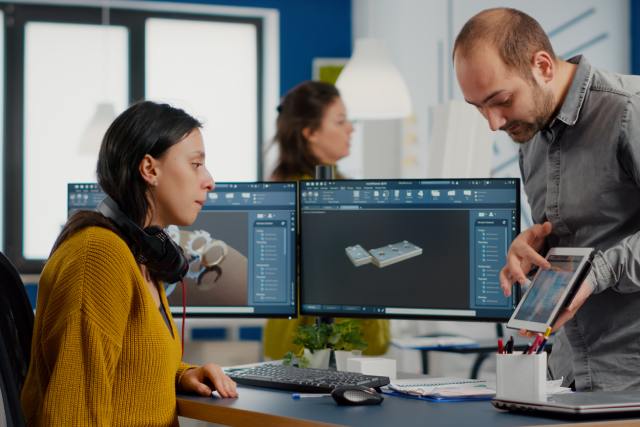
The journey from a conceptual prototype to a mass-produced product presents numerous challenges. Many companies face a significant disconnect between these two fundamental stages of development. A successful transition requires careful planning, strategic material selection, and a deep comprehension of manufacturing processes.
This phase holds the key to commercial success, as even a brilliant idea can fail with a poor production strategy. There are effective methods to connect the initial design phase with full-scale manufacturing for a seamless workflow. Understanding what happens in the gap between prototyping and production will help you navigate this complex path with foresight and precision for optimal results.
Align Design with Manufacturing Reality
A design optimized for production from the start avoids costly revisions later. Engineers should possess knowledge of the capabilities and limits of manufacturing equipment. This proactive approach ensures the initial concept is manufacturable at scale without major alterations.
Manufacturability analysis should be a standard procedure early in the design process. This step identifies potential production issues before they become expensive problems.
Select Materials for Both Stages
Material choice profoundly impacts the final product’s performance, cost, and appearance. The material used for a prototype might not suit mass production needs. Teams must evaluate materials for their scalability and long-term durability early on.
Consider materials that perform well for both low and high-volume runs. Some modern polymers offer the versatility to create functional prototypes and end-use parts.
Use Bridge Tooling for a Smooth Scale-Up
Bridge tooling offers an intermediate step between soft prototype tools and hard production tools. It allows for the production of several hundred to several thousand parts. This method validates the design and process with a larger batch before a full commitment.
Understanding the top applications for urethane molding in industrial productswill help with this validation. This method de-risks the substantial investment required for high-volume steel tooling.
Foster Clear Communication Between Teams
Silos between design, engineering, and manufacturing teams often cause significant friction. Regular, transparent communication is essential to successfully bridge the gap between prototyping and production for a unified product development effort. Cross-functional meetings ensure everyone shares the same vision and understands all constraints.
Establish a clear feedback loop from the production floor back to the designers. This information channel allows for continuous improvement of the product and the process.
Implement Rigorous Testing and Validation
Comprehensive tests at each stage confirm the product meets all specifications. Prototypes should undergo functional tests that simulate real-world use conditions. This validation confirms the design’s integrity before making larger investments.
Final production parts also require a strict quality control and assurance protocol. This process ensures every unit that leaves the factory meets the established standard. Consistent quality builds brand reputation and customer trust over the long term.
A successful product launch depends on a thoughtful and integrated approach to development. The path from a simple prototype to a market-ready product is full of potential obstacles. This methodical process transforms innovative ideas into successful, tangible products for the marketplace.