
Comfort and Safety Tips for Late-Season Hunts
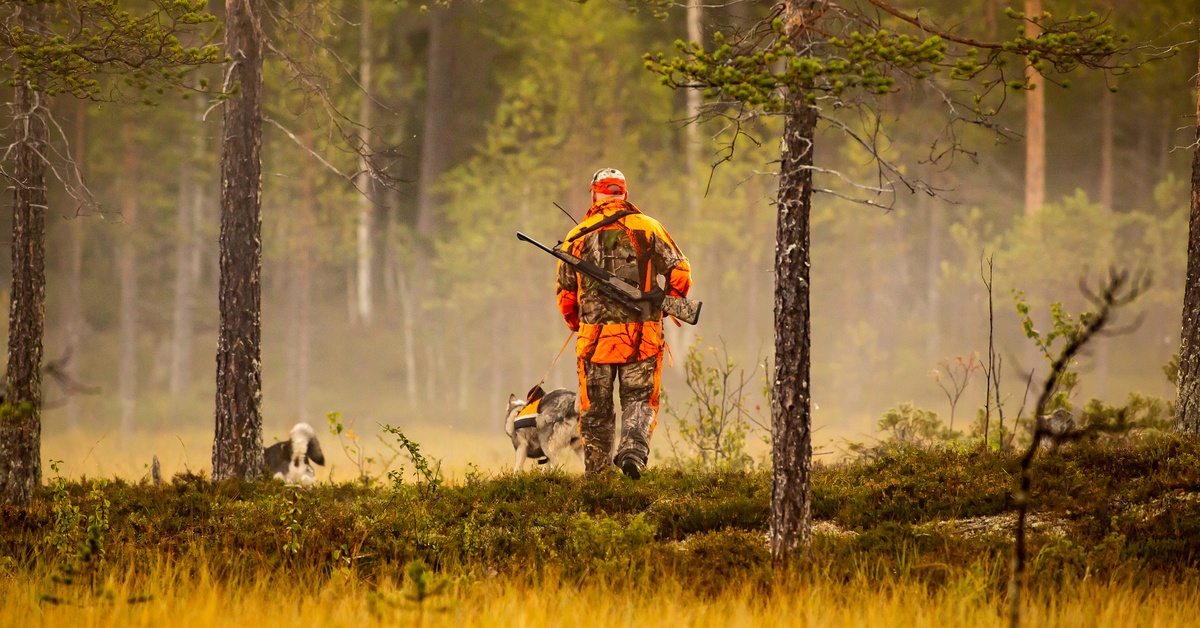
Late-season hunts hit different. The air is sharper, the sits feel longer, and little problems turn big fast when your fingers go numb, or the wind picks up. If you want a smoother, safer experience, these comfort and safety tips for late-season hunts come down to planning for cold, planning for darkness, and planning for the unexpected moments.
You don’t need to overpack or overthink it, but you do need a system that keeps you warm, visible, and steady when the conditions get real.
Dress for Sweat Management
The biggest cold-weather mistake is getting too warm too soon. If you hike in wearing your heavy layers, you sweat, then you cool down, and now you’re shivering while trying to sit still. Start lighter on the move, then add insulation once you slow down.
Focus on a base layer that wicks, a mid-layer that traps heat, and an outer layer that blocks wind. Keep spare gloves and socks in a dry bag, too, in case your gear gets wet.
Keep Hands, Feet, and Face in the Game
Comfort usually comes down to extremities. Wear warm, properly fitting boots, quality socks, and a way to manage moisture other than adding another jacket. For hands, think in layers too, like a thin liner glove under a warmer pair, so you can still handle gear without exposing skin. A neck gaiter or balaclava helps keep wind from stealing heat, and it also makes long hunts feel less punishing.
Plan for Darkness
Late-season often means early sunsets and longer walks in and out. A reliable headlamp, a backup light, and extra batteries are non-negotiable. You want hands-free light, but you also want a second option in case something fails. It helps to know what to bring during night hunting if you’re going for a longer trip. A reflective tape, a small first aid kit, and a way to navigate offline can keep you calm even if plans change.
Stay Oriented and Communicate
Getting turned around is easier than people admit, especially when the landscape looks different with snow, bare trees, or low light. Download offline maps, mark your access points, and keep a compass as a no-drama backup. Tell someone your plan and your return time, even if it feels overly cautious.
If you hunt solo, that check-in is a smart habit, not a sign you’re nervous. Late-season conditions reward people who plan like adults, not like action heroes.
Bring the Hunt Home
The end of the hunt is when people get sloppy, because they’re tired and ready to be done. Keep your exit routine simple, stick to your path, and don’t rush, even if the truck feels a mile farther than it actually is. If the weather shifts, pause and reassess instead of powering through on autopilot. Keep these comfort and safety tips for late-season hunts in mind, because finishing strong beats a sketchy shortcut every time.