
Common Car Part Replacements and How to Delay Them
Want to keep your car in the best shape possible? Then it’s useful to know about common car part replacements and how to delay them. While every part will inevitably wear out or fail, the right maintenance habits can help you push off expensive replacements so your wallet gets a break and your car stays on the road longer.
The Air Filter
Your engine mixes outside air with fuel to combust, and the air filter is what keeps dirt and debris out of that process. When it gets packed with grime, the engine has to pull harder to get the air it needs, which puts extra strain on the system and starts eating into your fuel economy.
Most manufacturers put the replacement window at 15,000 to 30,000 miles, but that assumes average driving conditions. If you’re regularly on unpaved or dusty roads, check it sooner. Pull it out the filter and hold it up to light. No light coming through means it’s time.
The Battery
Car batteries typically last three to five years, and two things wear them down fastest: heat and sitting unused. Heat accelerates the chemical breakdown inside the battery. A car that sits for weeks without running drains the charge down to zero repeatedly, which degrades the battery faster than regular use does.
Corroded terminals are worth watching too. That white or bluish buildup on the connections weakens electrical flow even when the battery itself still has charge left. A wire brush and a baking soda solution cleans it off. If your car sits for extended stretches, a trickle charger keeps the battery from bottoming out between drives.
The Brake Pads
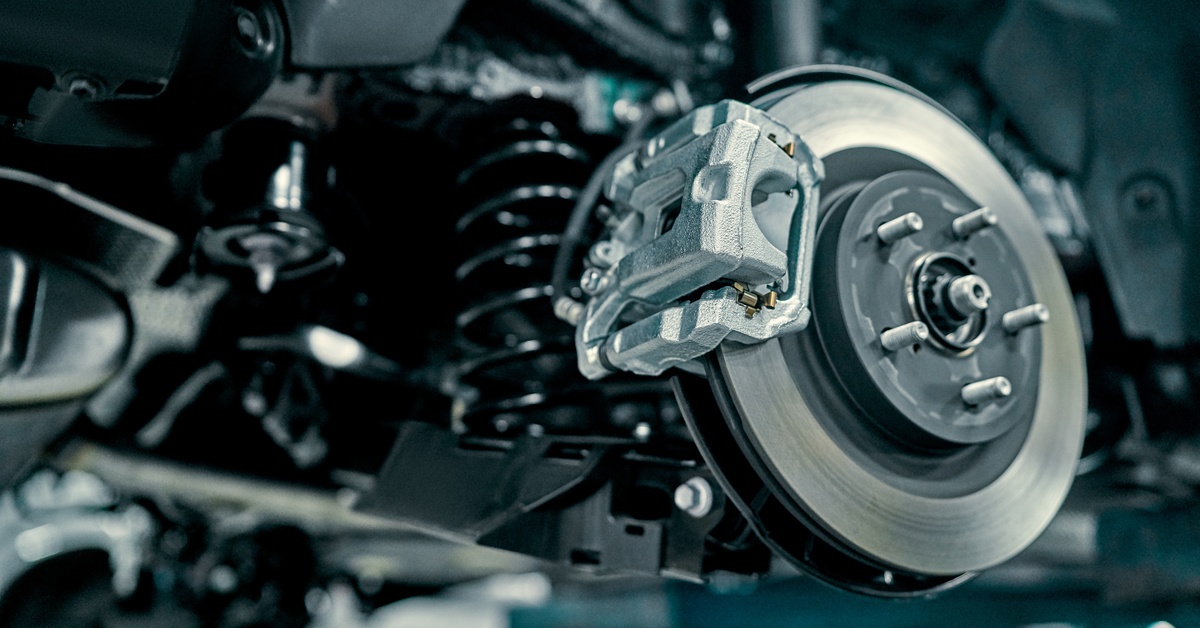
Brake pads press against the rotors every single time you slow down, so the wear is continuous. Most pads last between 25,000 and 65,000 miles, but that range swings hard based on how you drive. Frequent hard braking burns through pads much faster than gradual deceleration does.
That high-pitched squeal you hear when braking? That’s a wear indicator built into the pad, and it’s telling you the material is running thin. If you let it go until you hear grinding, the pad is gone and metal is hitting metal. Now you’re replacing rotors too, which costs significantly more.
The Transmission
The transmission is the system that moves power from your engine to your wheels, and it’s one of the more expensive parts on the vehicle to repair or replace. Some common causes of transmission wear include rough shifting, fluid contamination, and gear slipping, but by far the biggest threat is cold weather. Cold weather harms your car’s transmission by causing the fluid to thicken, which means it doesn’t circulate properly during cold starts and leaves internal components running without adequate lubrication right when they need it most.
The best way to protect your transmission is to change the fluid every 30,000 to 60,000 miles depending on your vehicle, and give the car a few minutes to warm up before driving hard in cold conditions.
The Spark Plugs
Spark plugs ignite the air-fuel mixture inside each cylinder, and when they start to go, combustion gets inconsistent. You’ll notice it as rough idling, misfires, or sluggish acceleration. A drop in fuel economy with no other obvious explanation is another sign they’re past their service life.
Copper plugs need replacement around every 30,000 miles. Iridium and platinum plugs are more resistant to heat and wear, so they can last up to 100,000 miles. Using the plug type your manufacturer specifies keeps combustion consistent and prevents early fouling regardless of which material you go with.
The Tires
Tires don’t wear evenly on their own. Weight distribution, turning habits, and road conditions all create variation across the four wheels, which is why rotation every 5,000 to 7,500 miles is so useful. It redistributes that wear so no single tire breaks down faster than the others.
Tire pressure plays into this too. Underinflated tires flex more with each rotation, which generates heat and accelerates wear along the outer edges. Wheel misalignment makes the problem worse by pulling the tire slightly sideways as it rolls, chewing through tread unevenly on one side. Both are cheap to fix and expensive to ignore.
The Coolant System
Coolant circulates through your engine, absorbs heat from combustion, and releases it through the radiator. Over time, the fluid breaks down chemically and transfers heat less efficiently. It also becomes acidic as it ages, which corrodes the metal components it’s supposed to protect.
A flush every 30,000 miles or so prevents that buildup. Skipping it doesn’t just mean weaker coolant. Degraded fluid accelerates wear on the thermostat and water pump, both of which are considerably more expensive to replace than a routine flush would have cost.
The Windshield Wipers
Wiper blades are rubber, and rubber doesn’t hold up well against UV exposure, heat, and freezing temperatures. Most blades last six to twelve months before the edge stiffens or starts to crack, leaving streaks instead of clearing the glass.
That’s annoying on a light drizzle day and a visibility problem in heavy rain. Keeping the blades clean extends their life because road grime and dried debris on the rubber edge cause it to skip across the glass rather than wipe. A damp cloth across the blade every few weeks keeps the contact cleaner between replacements.
The Serpentine Belt
The serpentine belt runs off the engine’s crankshaft and drives several components at once, including the alternator, power steering pump, and air conditioning compressor. When it fails, those systems go with it, and you’re usually left stranded.
Most serpentine belts last between 60,000 and 100,000 miles, but heat and tension cause the rubber to crack and fray over time. You can sometimes hear a high-pitched squealing from the engine bay when the belt starts slipping or loses tension. A visual check during oil changes catches cracking early. Replacing a worn belt before it snaps is a fraction of the cost of the tow and the labor that comes after.
Your Car Will Tell You What It Needs
Most car parts don’t fail without warning. A squeal, a stutter, a strange smell, or a dashboard light is your car communicating that something is wearing down. The cost difference between catching a problem early and ignoring it until something breaks completely is almost always significant.
Common car part replacements are unavoidable, but the timing is something you have more control over than you might think. Pay attention to the signals, stay on top of fluid changes and inspections, and you’ll consistently get more life out of every part on this list.