
Designing a Backyard for Kids, Guests, and Quiet Time
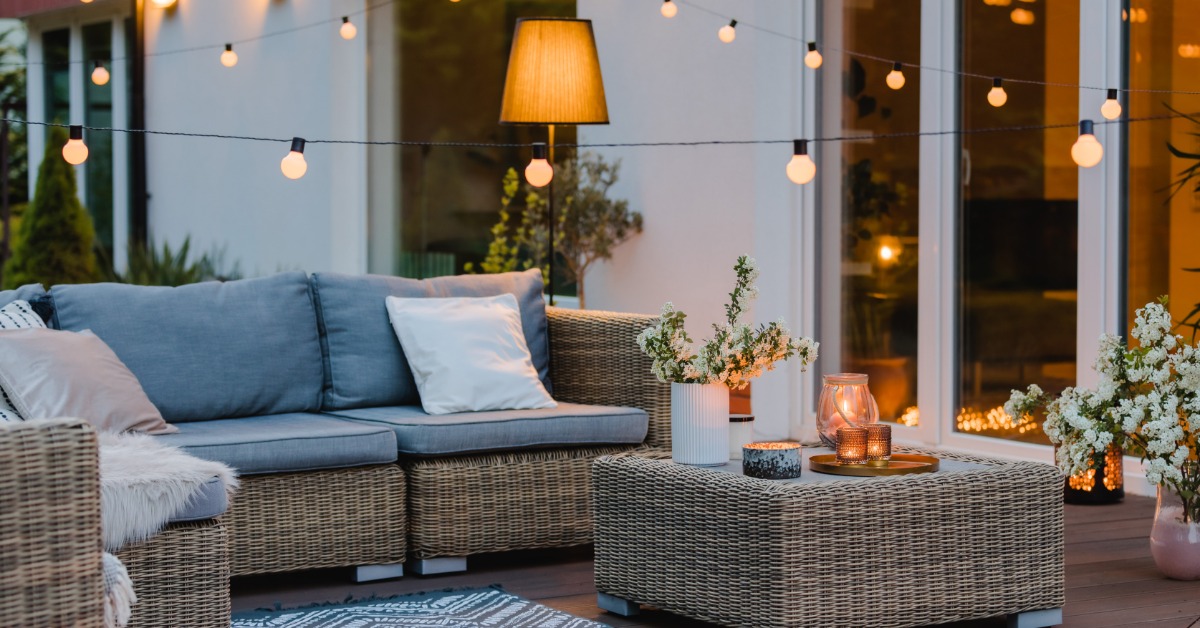
A backyard can be a playground before lunch, an entertainment destination by dinner, and a peaceful escape after everyone heads inside. The secret behind designing a backyard for kids, guests, and quiet time lies in creating flexible spaces that support different activities without making the yard feel crowded. Modern outdoor living has moved beyond the traditional patio-and-lawn combination, with homeowners looking for spaces that accommodate their changing routines. These seven design ideas can turn an ordinary backyard into a destination everyone wants to use.
Create Outdoor Zones Without Building Walls
The best multipurpose backyards have something in common: Every activity has a natural place to happen. Rather than dividing the yard with fences or permanent barriers, homeowners can use landscaping, furniture arrangements, and changes in surface materials to establish different zones. A grassy area might accommodate children’s games, while a nearby patio provides comfortable seating for adults. These subtle boundaries help everyone enjoy the space without competing for the same square footage.
Outdoor rugs, decorative planters, and low garden borders can create visual separation without interrupting the backyard’s overall flow. For example, a row of ornamental grasses can distinguish a quiet reading corner from a more energetic recreation area. Homeowners with smaller yards can achieve similar results through strategic furniture placement and thoughtful lighting. The goal involves creating distinct experiences while maintaining a connected outdoor environment.
Make Play Areas Feel Like Part of the Design
Children need room to explore, but that doesn’t mean every backyard needs an enormous plastic play structure. Modern outdoor design increasingly incorporates playful features that complement the surrounding landscape. Stepping stones, climbing elements, and open grassy areas encourage movement while preserving an attractive setting. These features can support imaginative games without dominating the entire yard.
Consider how children’s interests might change over time before committing to permanent installations. A sandbox that delights a preschooler may eventually become a raised garden bed, while an open lawn can accommodate everything from backyard soccer to outdoor movie nights. Flexible designs give families more opportunities to adapt their surroundings without expensive renovations. They also help homeowners maintain an outdoor space that continues to feel relevant as children grow.
Turn the Pool Area Into a Social Destination
Few backyard features create the same combination of recreation and relaxation as a thoughtfully planned swimming pool. However, the most successful pool areas offer more than somewhere to swim. Comfortable seating, shaded lounging areas, and convenient pathways can transform the surrounding space into a natural gathering destination. Families can enjoy afternoon activities while guests have somewhere comfortable to socialize away from the water.
Pool planning also requires careful consideration of how different people will use the space. Homeowners exploring what to expect from a pool design consultation can better understand how layout decisions, site conditions, and lifestyle preferences influence the finished environment. Designers can evaluate placement, circulation, and the relationship between the pool and surrounding entertainment areas. This early planning can prevent awkward layouts that look impressive in photographs but feel inconvenient during everyday use.
Safety deserves equal attention when designing around children and visitors. Appropriate barriers, secure access points, slip-resistant surfaces, and clear sightlines support safer pool use. Local regulations may establish additional requirements for fencing and other protective features. A beautiful pool should complement responsible supervision rather than create unnecessary obstacles to it.
Build an Entertainment Area That Works Beyond Summer
Outdoor entertaining doesn’t have to revolve around elaborate parties or expensive equipment. A comfortable seating arrangement, practical serving surface, and dependable lighting can make casual gatherings feel special. Homeowners who enjoy hosting might also consider an outdoor dining area that accommodates family meals and weekend celebrations. These features encourage people to spend more time outside without requiring an extensive renovation.
The most adaptable entertainment spaces support several types of gatherings, such as:
- Casual dinners: A sturdy dining table and comfortable chairs make outdoor meals easier to organize.
- Movie nights: Portable projection equipment and flexible seating can transform a patio into a temporary theater.
- Game days: An outdoor television or portable screen can create a social setting for watching sports.
- Evening conversations: Layered lighting and weather-appropriate seating encourage guests to linger comfortably.
- Family celebrations: Open circulation paths provide room for additional chairs, decorations, and refreshments.
Moreover, think about how furniture will function between gatherings rather than designing exclusively for special occasions. Modular seating can accommodate larger groups when necessary and create smaller conversation areas on quieter evenings. Lightweight side tables make it easier to rearrange the space without complicated preparation. The best entertainment area should feel welcoming even when nobody has planned a party.
Give Quiet Time Its Own Corner
A backyard that constantly encourages activity can become surprisingly exhausting. Creating a dedicated retreat gives homeowners somewhere to enjoy fresh air without feeling surrounded by movement and conversation. A small bench beneath a tree, a hammock near a garden, or a secluded lounge chair can establish that sense of separation. These modest features often become some of the most frequently used parts of the property.
Privacy doesn’t always require tall fences or complete isolation. Layered planting, decorative screens, and carefully positioned structures can reduce distractions while preserving an open atmosphere. Natural materials and softer lighting can also make a quiet area feel more relaxing. The important distinction involves designing for comfort rather than simply filling an unused corner.
Use Lighting To Change the Backyard’s Mood
Lighting can dramatically influence how an outdoor space feels after sunset. Bright task lighting helps people navigate cooking areas and walkways, while softer illumination creates a comfortable atmosphere around seating spaces. Homeowners can also use accent lighting to highlight trees, garden features, and architectural details. Combining these approaches creates a backyard that remains functional without feeling excessively bright.
Different activities call for different lighting arrangements throughout the evening. Children may need clear visibility during supervised outdoor games, while adults might prefer gentle illumination during dinner. Adjustable fixtures and separate lighting zones provide greater flexibility as activities change. Properly positioned lights can also reduce glare and preserve the peaceful atmosphere of neighboring properties.
A Backyard That Changes With the Moment
The most successful outdoor spaces don’t force homeowners to choose between family activities and personal relaxation. Instead, they combine adaptable features with thoughtful layouts that accommodate different moods throughout the day. By creating a backyard for play, entertaining, and relaxation, homeowners can make their outdoor environments feel more useful without sacrificing comfort. The result is a space that supports memorable gatherings while still offering somewhere peaceful to unwind.