
Guide to Helping Your Child Build Healthy Habits That Last
Busy parents juggling work, school schedules, and a thousand daily decisions often feel outmatched by snack requests, screens, and the pressure to keep everyone happy. The hard part isn’t knowing that children need healthy choices, it’s handling the parenting challenges that show up in real life, when routines are rushed and emotions run high. Those ordinary moments matter more than they seem, because they shape healthy lifestyle habits during child development. With a steadier approach, parents guiding children can turn everyday temptations into small wins that stick.
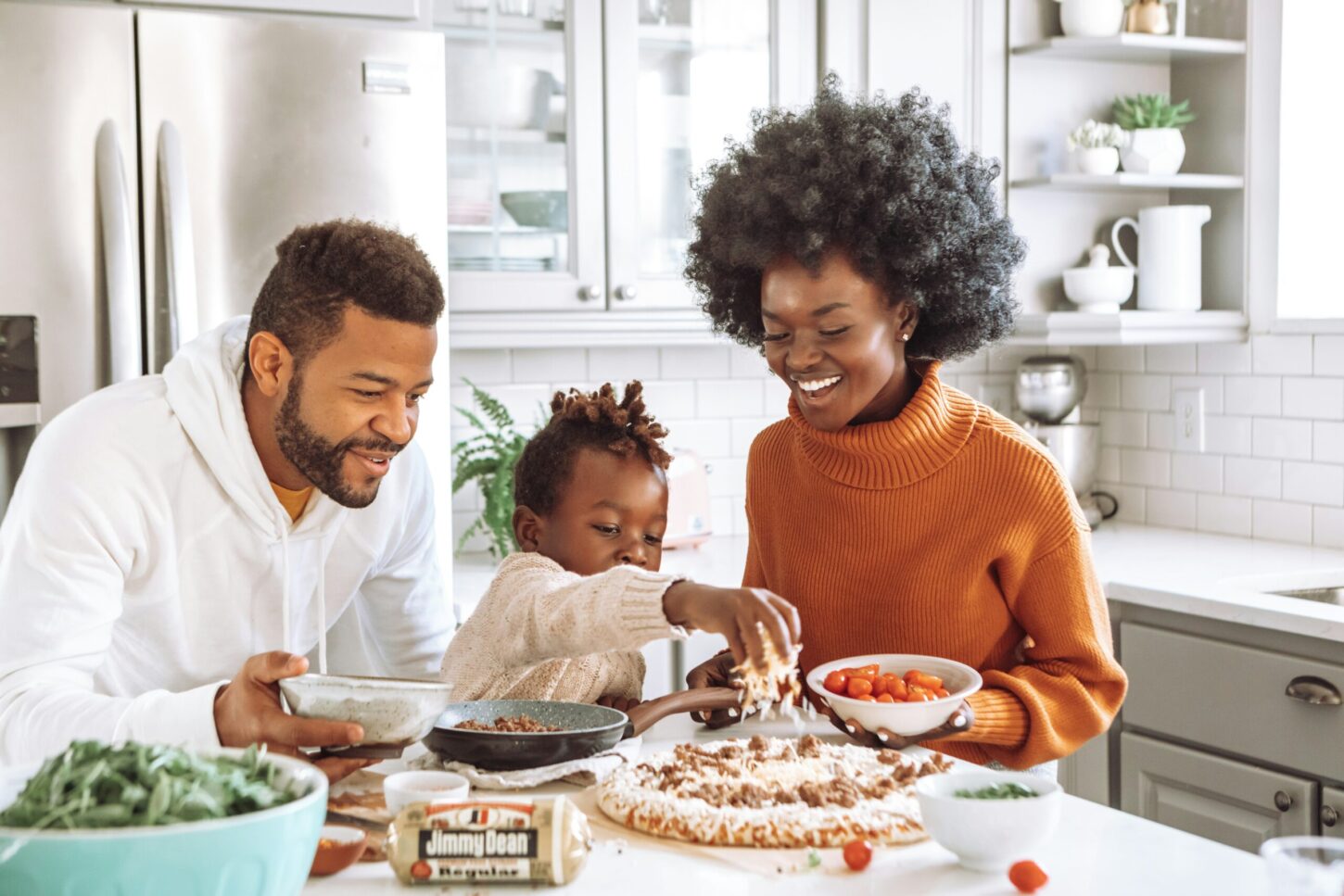
Use 8 Simple Moves to Nudge Better Daily Decisions
When I’m trying to help my kids make healthier choices, I remind myself I’m not trying to “win” the day, I’m trying to make the healthy choice the easy choice at home. Small nudges add up, especially when budgets, busy schedules, and kid opinions are all in the mix.
- Make the healthy option the default at home: Stock one “grab-and-go” fruit (bananas, apples, grapes) and one “protein helper” (yogurt, cheese sticks, hummus) where kids can reach them. If the first thing they see after school is snack-friendly food, you’ll have fewer negotiations. This also supports the “start at home” mindset, your grocery plan becomes your quiet backup.
- Use a simple “add one” rule at meals: Instead of battling over what to remove, ask your child to add one good thing: a veggie on the side, a glass of water, or a fruit with breakfast. It keeps healthy eating for kids positive and doable, especially with picky eaters. I’ll say, “You can keep your usual lunch, just add carrots or an orange.”
- Offer two good choices (and mean it): Power struggles shrink when kids feel agency, so give two parent-approved options: “Walk the dog or dance in the living room?” or “Apple slices or yogurt?” This keeps you in charge of the boundaries without making every decision a debate. When you’re setting limits, a calmer approach that focuses on children’s positive behavior tends to work better than constant correction.
- Schedule short movement “snacks” instead of big workouts: Aim for two 10-minute bursts most days, before school and before dinner is a reliable rhythm. Keep a short list on the fridge: scooter ride, driveway basketball, family stretch, quick walk. “Encouraging physical activity” gets easier when it’s bite-sized and predictable. For more ideas, explore these outdoor activities you can enjoy on a budget.
- Build a family “calm-down menu” for stress: Pick three go-to stress management techniques and practice them when nobody’s upset: 5 slow breaths, a one-minute stretch, or a quick feelings check (“name it to tame it”). Put the list where you’ll use it, on the fridge or by the bedtime routine. When stress spikes, you’re not inventing tools on the spot.
- Create screen-time speed bumps, not constant bans: Choose two screen-free anchors (meals and the last 30 minutes before bed) and protect them like appointments. It helps to remember how common overuse is, only 15% of children aged five to twelve meet the recommended Australian screen time guidelines, so you’re not “the only strict parent.” Make the alternative easy: cards on the table, a ball by the door, a book in the car.
- Budget for health like you budget for everything else: Pick two “health staples” to protect in your weekly spending (maybe eggs and frozen veggies, or oatmeal and apples). When money is tight, having a short list prevents the cart from filling with random snacks that create more conflict later. Planning also makes it easier to say yes to good options without overthinking.
- Let your kids catch you doing the healthy thing: Role modeling healthy behavior doesn’t require perfection, it requires visibility. Say out loud what you’re doing: “I’m drinking water because I’m tired,” or “I’m taking a quick walk to clear my head.” When kids see you learning what works for your body, they’re more willing to try new habits too. Even activities like learning to play golf together can give parents an opportunity to model an active lifestyle while spending quality time with their children.
Model Lifelong Learning to Strengthen Your Influence
Those small nudges land even better when your kids can see you practicing the same growth mindset you’re encouraging in them. One of the strongest ways to model healthy choices for life is to model lifelong learning, staying curious, building new skills, and letting your child notice that learning doesn’t stop after school. When you choose to further your own knowledge by earning an online degree, you’re quietly teaching that improvement is normal and worth the effort, and you’re also creating new options for your career. For instance, pursuing a Bachelor of Arts in Elementary Education can help you develop the skills and qualifications needed to become a licensed teacher, opening the door to positively impact students’ lives in a very direct way.
Weekly Habits That Make Healthy Choices Stick
Habits matter because they remove daily debates and replace them with predictable cues your kids can trust. When the practices are simple and repeatable, you can guide healthy choices calmly, even on busy weeks.
Family Rhythm Check-In
- What it is: Share one win, one challenge, and one goal at dinner.
- How often: Weekly
- Why it helps: Kids practice reflection without shame, so change feels doable.
Color-First Plate
- What it is: Start meals with two colorful plants before adding the rest.
- How often: Daily
- Why it helps: It gently builds a balanced diet without food fights.
Move-and-Reset Break
- What it is: Use physical movement between homework chunks, like dancing or a short walk.
- How often: Daily
- Why it helps: Quick activity can lower stress and improve focus.
Two-Choice Boundary
- What it is: Offer two acceptable options for snacks, screens, or bedtime steps.
- How often: Per decision point
- Why it helps: Kids get autonomy while you keep the guardrails.
Same-Time Sleep Wind-Down
- What it is: Start a 15-minute quiet routine with dim lights and books.
- How often: Nightly
- Why it helps: Steadier sleep supports mood, attention, and better decisions.
Healthy Habits: Questions Parents Ask Most
Q: How do I handle picky eating without turning dinner into a power struggle?
A: Keep your job simple: you choose what’s served and when, and your child chooses what to eat from that. Offer one “safe” food alongside new options, and let repeated exposure do the work. Praise trying, not finishing.
Q: What should I say when my child wants junk food because “everyone else gets it”?
A: Validate the feeling, then hold the limit: “I get it, and our family fuels our bodies differently.” Give a yes within the boundary, like picking between two snacks you approve. If you want a script, model strong behavior by staying calm and consistent.
Q: How can I set screen limits without constant arguing?
A: Tie screens to a predictable routine, not negotiations, such as after homework and a short movement break. Announce the plan before the moment, then use a timer and a clear off-ramp activity.
Q: Should I talk about weight if I’m worried about my child’s health?
A: Focus on energy, mood, strength, and sleep, not size. Since being teased about their weight is a common experience for kids, a weight-focused message can backfire. Ask, “What helps your body feel good today?”
Q: Can food pouches and ultra-smooth foods make picky eating worse?
A: They can if they replace textures for too long, so use them as a backup, not a default. A pediatric specialist has warned about food and texture aversions when kids rely heavily on sweet, smooth options. Add one crunchy or chewy item each day to build comfort.
Choose One Healthy Habit and Lead Your Child Forward
It’s tough to hold the line when picky phases, busy schedules, and outside voices make healthy choices feel like a daily negotiation. The steadier path is the mindset of small, consistent routines paired with calm, positive parenting reinforcement, because motivating parental influence works best in repeatable moments, not big speeches. When that becomes the norm, kids feel supported on their health journey and start practicing the same skills on their own, building lifelong habits without the power struggle. Small, steady choices at home shape healthy kids for life.