
How To Best Avoid Accidents When Woodworking
Woodworking tools are powerful and unforgiving if used carelessly. These practical safety habits can help you avoid woodwork shop injuries and build with confidence.
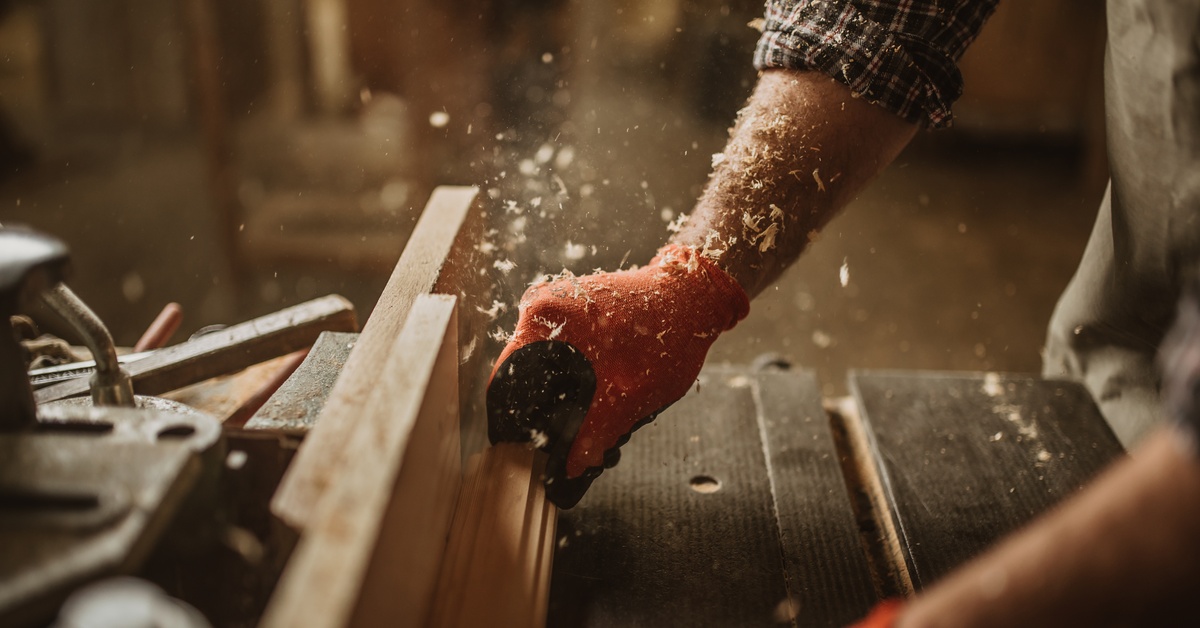
Woodworking gives you the satisfaction of building something solid with your own hands, but it also demands focus and discipline. Sharp blades, powerful motors, and flying debris can turn a simple project into an emergency if you lose concentration. You can avoid most woodwork shop injuries by building smart habits, setting up your space correctly, and treating every tool with respect. When you make safety part of your routine, you protect both your project and yourself.
Set Up a Safer Workspace
Your environment plays a huge role in accident prevention. Before you power up any tool, take a few minutes to prepare your shop.
Start with lighting. Bright, even lighting helps you see cut lines clearly and notice potential hazards. Shadows near blades or bits increase your chances of slipping or misjudging a measurement.
Keep your floor clean and dry. Sawdust creates slippery surfaces, and loose cords create tripping hazards. Sweep regularly and route extension cords along walls whenever possible.
Organize your tools so you can reach them without stretching across spinning blades. Store sharp tools in designated spots and return them after each use. A clutter-free bench reduces distractions and keeps your hands away from danger.
Wear the Right Protective Gear
You should never treat safety gear as optional. Even quick cuts deserve proper protection.
At minimum, wear:
- Safety glasses to shield your eyes from flying chips
- Hearing protection when using loud power tools
- A dust mask or respirator when sanding or cutting treated wood
- Snug-fitting clothing that won’t catch in moving parts
Avoid gloves around spinning blades, since fabric can pull your hand into the tool. Tie back long hair and remove loose jewelry before you begin. These small adjustments dramatically lower your risk of serious injury.
Understand Your Tools Before You Use Them
Many accidents happen because someone rushes into a cut without fully understanding the tool. Take time to read the manual and practice on scrap wood.
Pay special attention to blade guards and safety features. Don’t remove guards just to make a tricky cut faster. Manufacturers design those features to prevent kickback and contact injuries.
When working with saws, stay alert to common circular saw mistakes. For example, forcing the saw through material, cutting without proper support, or starting the blade while it touches the wood can all lead to dangerous kickback. Support your material on both sides of the cut, let the blade reach full speed before contacting the wood, and guide the saw steadily without pushing too hard.
Maintain Sharp Blades and Well-Tuned Tools
Dull tools increase your chance of injury. When a blade loses sharpness, you apply more force. Extra force reduces control and increases the likelihood of slips or sudden movements.
Inspect blades, bits, and cords regularly. Replace chipped or warped blades immediately. Tighten loose fences and check that your table saw blade aligns properly with the miter slot. These quick inspections prevent unexpected movement during cuts.
Focus on Technique and Body Position
Your stance and hand placement matter as much as the tool itself. Stand slightly to the side of cutting paths to avoid injury if kickback occurs. Keep your hands well away from blades and use push sticks or push blocks when cutting narrow pieces.
Most woodworking accidents happen when people rush or multitask. Slow down, double-check measurements, and commit your full attention to the task at hand. Consistent habits, proper gear, and respect for your tools will help you build confidently and safely for years to come.
If you’re passionate about hands-on projects, check out: