
How To Choose the Best Hay Baler for Your Farm
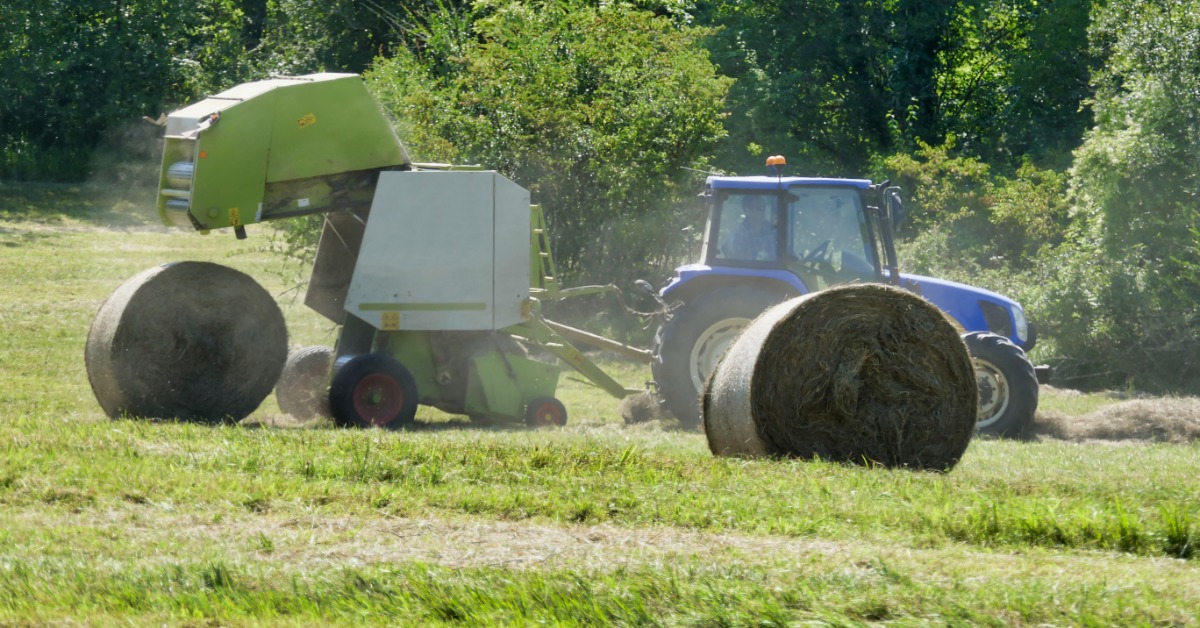
A good hay baler can turn a productive hay season into a profitable one. The right machine helps you harvest your crop efficiently, produce consistent bales, and keep labor demands under control. Let’s establish how to choose the best hay baler for your farm.
Your Farm’s Size and Hay Production
Your acreage is a natural place to begin. A farmer with 20 acres of hay has different equipment demands than someone who harvests several hundred acres multiple times per season. The amount of hay you produce affects the baler capacity you’ll need and how much time you can afford to spend in the field.
For smaller farms, a compact or conventional square baler may offer enough capacity without the expense of a larger machine. These models can suit operations with limited acreage, smaller tractors, or modest annual hay production. They also offer a practical option for farmers who produce hay primarily for their own livestock.
Larger farms typically benefit from equipment with greater throughput. A high-capacity round baler or large square baler can handle more material per hour under suitable field conditions. This becomes especially valuable when a short stretch of favorable weather leaves little room for delays.
Consider your annual hay volume rather than acreage alone. Fields with high yields or multiple cuttings may demand more from a baler than larger properties with lighter production. Your typical harvest volume can help you determine the capacity your operation needs.
Understand the Different Types of Hay Balers
Not every baler produces the same type of bale, and your choice affects everything from storage to daily livestock care. Small square, round, and large square balers each offer advantages for different farm operations. Understanding their practical differences can help you narrow your options as you consider other key details, like how baler belt ply affects durability.
Small Square Balers
These machines produce manageable rectangular bales that work well for horse farms, hobby farms, and operations that sell hay to individual customers. Their compact dimensions allow farmers to distribute feed without large machinery. They also fit neatly into traditional barns and haylofts with limited space.
Their advantages include:
- Convenient portions for daily livestock feed
- Easy distribution to smaller barns and stalls
- Strong demand in many horse hay markets
- Flexible storage in traditional haylofts
The tradeoff comes from labor. Unless you have a bale accumulator or automated collection equipment, you’ll need people or machinery to move those bales from the field. For farms with limited help during harvest, that additional work deserves consideration.
Round Balers
Round balers produce cylindrical bales that can hold substantial amounts of hay. They’re popular with cattle producers and farms that feed larger herds. Their capacity can reduce the number of individual bales farmers need to handle throughout the season.
Many round balers offer variable bale diameters, so you can adjust the finished bale size to suit your operation. You’ll need equipment capable of safely lifting and transporting those bales. Outdoor storage may also require appropriate bale placement, drainage, or protective covers to limit weather damage.
Large Square Balers
Large square balers are common in commercial hay production and operations that move substantial volumes of forage. Their uniform rectangular bales stack efficiently and work well for transport and organized storage. This format can appeal to farmers who sell hay in bulk or ship it over longer distances.
These machines generally demand more tractor power and a higher initial investment. Their size also calls for suitable bale-handling equipment and adequate storage facilities. For farms with enough annual production, their capacity and transport advantages may justify the expense.
Match the Baler to Your Tractor
A baler that exceeds your tractor’s capabilities can create frustrating field performance and unnecessary mechanical strain. Before you purchase, compare the manufacturer’s tractor requirements with the equipment already on your farm. This comparison can help you avoid additional equipment expenses after you’ve committed to a baler.
Start with power take-off horsepower, or PTO horsepower. This figure describes the power your tractor can deliver to the baler’s mechanical systems. Different baler models have different PTO requirements, even within the same general size category.
Hydraulic capacity deserves attention, too. Some balers require specific hydraulic outlets, flow rates, or pressure levels to operate their components. Tractor weight and stability also matter, particularly on hilly ground where heavy equipment can present additional challenges.
Consider the Type of Hay You Harvest
Alfalfa, grass hay, and mixed forage crops don’t always behave the same way during harvest. Crop characteristics can influence pickup performance, bale density, and the amount of material a machine can process. Your preferred forage should therefore influence the equipment features you prioritize.
For example, alfalfa requires careful treatment to limit leaf loss, especially once the crop becomes dry. A baler with suitable pickup and crop-feed characteristics can help preserve more of the harvested material. Dense grass windrows present another challenge because the machine needs enough capacity to accept the crop without frequent plugs.
Your local harvest conditions deserve attention as well. Heavy morning dew, variable field moisture, and unpredictable weather can affect how much time you have to finish a cutting. A baler with capacity suited to your typical field conditions can help you complete harvest within those limited opportunities.
Evaluate Bale Size and Storage Space
Bale dimensions influence more than the appearance of your finished hay. They determine how you transport, stack, store, and distribute feed throughout the year. Choosing a bale format that fits your existing facilities can save considerable effort after harvest.
Smaller bales offer flexibility for farms with limited equipment or customers who purchase modest quantities. Larger bales reduce the number of units you handle, but they require appropriate loaders, trailers, and storage arrangements. Think about your barn before you commit to a particular format, especially if entrances are narrow or ceilings are low.
Look at Maintenance and Ease of Operation
One more important way to choose the best hay baler for your farm is to consider ease of operation and upkeep. Even a well-built baler needs regular attention. Some machines provide convenient access to grease points, belts, chains, and other service components, whereas others require more time for routine maintenance. Equipment that’s easier to service can reduce the time you spend away from fieldwork.
Operator comfort deserves consideration, particularly if you spend long days in the tractor. Clear controls, accessible adjustments, and useful monitoring systems can make fieldwork less demanding. Features that help operators identify problems early can also prevent minor issues from becoming lengthy interruptions.
If you’re considering a used machine, request a demonstration whenever practical. Watch how it feeds hay and completes its tie or wrap cycle. Unusual noises, inconsistent bale shapes, or repeated interruptions deserve investigation before purchase.
Once you’ve narrowed your choices, arrange a demonstration and review the equipment specifications before you buy. Consider how each machine fits your farm today and how your needs may evolve over the next several seasons. A smart purchase can help you approach future hay seasons with fewer interruptions and equipment that genuinely suits the way you farm.