
How to Keep a Model Train Set in Good Condition
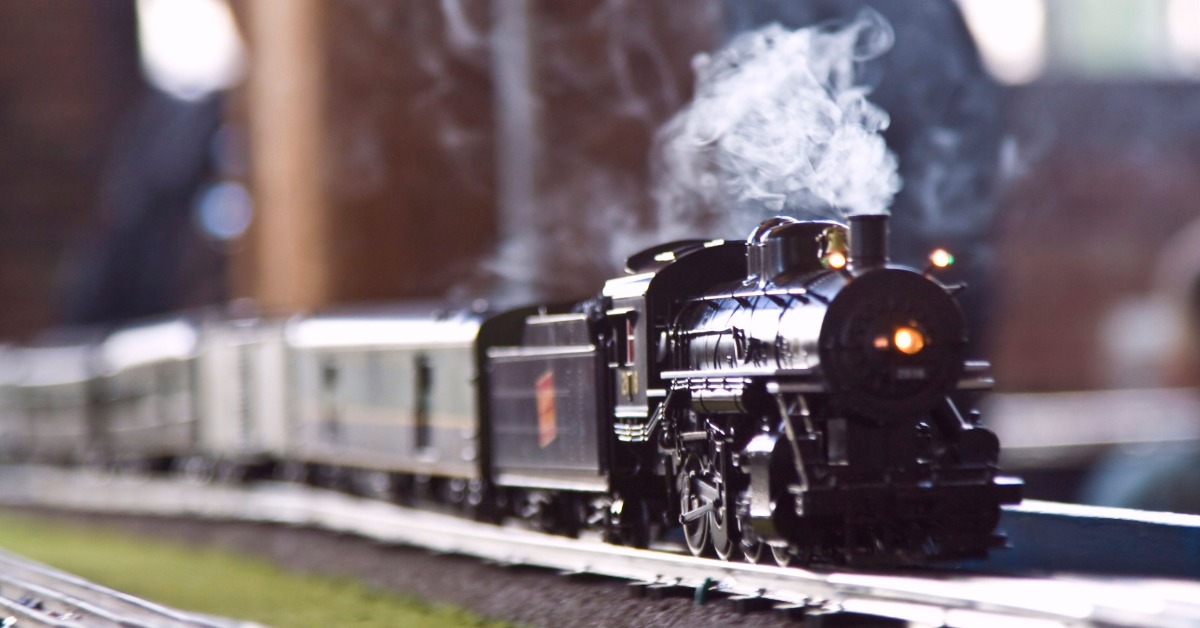
Model train sets bring joy and detail to any hobby room, but they need regular care to stay reliable and visually appealing. You can prevent wear, avoid electrical issues, and extend the life of your trains with consistent habits. Focus on track maintenance, proper storage, and routine inspections to keep everything running smoothly.
Clean Your Tracks Regularly
Dirt and oxidation reduce conductivity and cause jerky movement. You should wipe rails with a soft cloth and a track cleaner every few sessions. Avoid abrasive materials because they scratch the surface and invite more buildup. Pay attention to hard to reach sections, including tunnels and switches. Many hobbyists prioritize cleaning your G-scale tracks since larger rails attract more debris and outdoor setups face extra exposure.
Maintain Your Rolling Stock
Wheels collect grime that transfers back onto the rails. You can clean them with cotton swabs and isopropyl alcohol. Inspect axles and couplers for wear, and replace damaged parts quickly. Lubricate moving components sparingly to reduce friction without attracting dust.
Store Equipment Properly
Storage conditions directly affect performance. Keep trains in a cool, dry place to prevent warping and corrosion. Use original boxes or padded containers to protect delicate details. If you run seasonal layouts, pack everything carefully after each use.
Inspect Electrical Connections
Reliable power keeps trains running smoothly. Check wires, connectors, and power supplies for loose fittings or fraying. Tighten connections and replace worn cables immediately. Clean contact points to maintain steady current flow.
Create a Simple Maintenance Routine
Consistency matters more than intensity. Build a routine that fits your schedule:
- Check track cleanliness before each session
- Wipe rails and wheels after heavy use
- Inspect connections monthly
- Store trains properly after operation
- Test locomotives regularly for smooth performance
These small steps prevent bigger issues and keep your layout enjoyable.
Handle Trains with Care
Careful handling protects fine details and sensitive parts. Always pick up locomotives and cars by sturdy sections instead of fragile add-ons. Keep your hands clean to avoid transferring oils and dirt onto surfaces. Encourage others to follow the same habits when they interact with your setup.
Monitor Performance Over Time
Pay attention to changes in speed, sound, or responsiveness. Unusual behavior often signals underlying problems. Address issues early to avoid costly repairs later. Keep a simple log of maintenance and repairs so you can track patterns and plan upgrades effectively.
With consistent effort, you can keep your model train set in excellent condition for years. Regular attention helps with reliable operation and preserves the look of your layout without requiring complicated repairs or expensive replacements. Staying proactive helps you enjoy every session without frustration. Develop habits that fit your space and equipment. You do not need expensive tools, just attention and consistency. Spend a few minutes after each run to check key areas and correct minor issues.
Keeping Your Train Running
Over time, these efforts save money and protect your investment. A well-maintained train set delivers smoother operation and better realism, which keeps the hobby engaging and rewarding for both beginners and experienced enthusiasts alike. Make maintenance part of your routine, and your trains will reward you with dependable performance and lasting enjoyment for many years.