
How Weather Impacts Comfort on Long Road Trips
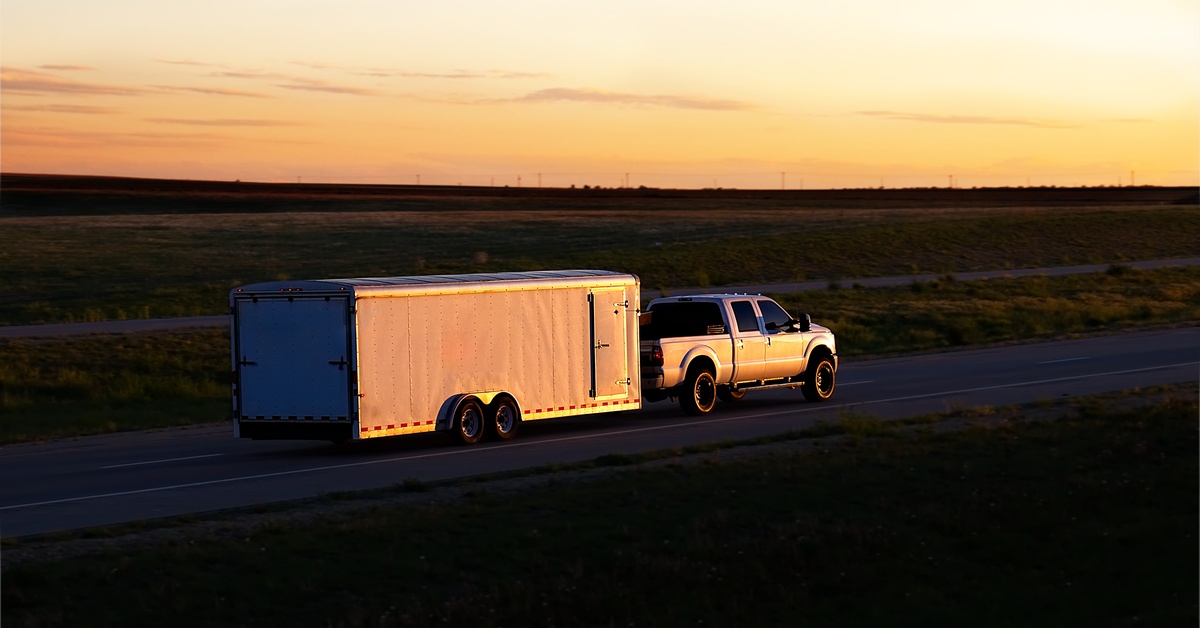
Weather can make or break your long road trip experience. It affects how your body feels, how your vehicle performs, and how enjoyable the journey becomes. A sunny drive can feel energizing, while extreme heat or cold can quickly drain your comfort. Understanding how weather impacts comfort on long road trips can help you prepare and remain in control.
Heat and Its Effect on Comfort
Hot weather can turn your vehicle into an uncomfortable space if you don’t manage it well. High temperatures increase fatigue, reduce focus, and make long hours behind the wheel feel exhausting. Air conditioning helps, but direct sunlight and poor airflow can still create discomfort. You need to stay hydrated and take breaks to avoid overheating.
Heat also affects surfaces inside your car. Seats, steering wheels, and seatbelts can become too hot to touch. This discomfort adds up over time and affects your overall experience. Simple steps like using sunshades and parking in shaded areas can make a big difference.
Cold Weather Challenges
Cold temperatures bring a different set of challenges for road trips. You may deal with stiff muscles, reduced circulation, and slower reaction times. A cold cabin can make it hard to relax and enjoy the ride. You need proper heating and layered clothing to stay comfortable.
Winter weather also influences road conditions and visibility. Snow, ice, and fog can create stress and demand more focus. Drivers often feel more tension during these conditions. Staying warm and alert becomes essential for both comfort and safety.
Rain and Humidity Factors
Rain can change the entire dynamic of a road trip. Wet roads require slower speeds and increased attention, which can feel mentally draining. Humidity can also make the air inside your vehicle feel heavy and uncomfortable. Fogged windows can reduce visibility and create frustration.
You can manage these issues with proper ventilation and climate control. Defoggers and air circulation systems can maintain clear windows. Drying out the interior space keeps the environment more comfortable. Small adjustments can improve your overall driving experience.
Wind and Driving Stability
Strong winds can affect comfort and control on the road. Crosswinds can push your vehicle and require constant steering adjustments. This added effort can lead to fatigue over long distances. You may feel less relaxed and more alert than usual.
Wind noise can also impact your comfort level. Loud gusts can make conversations harder and create a distracting environment. Proper vehicle maintenance and sealing can reduce noise. A stable and quiet ride helps you stay focused and at ease.
Special Considerations for Extended Travel
Long trips that include trailers or mobile living spaces require extra attention. Comfort depends heavily on insulation and climate control inside trailer living quarters. Proper insulation regulates temperature and keeps the space livable in extreme weather. Climate control systems ensure consistent comfort regardless of outdoor conditions.
Travelers who spend extended time on the road benefit from these features. They create a stable environment that supports rest and relaxation. This setup can make a long journey feel more like home. Investing in comfort pays off during every mile.
Long road trips should feel exciting, not exhausting. When you account for the impacts of the weather, you take control of your comfort and safety. Small changes can transform a challenging drive into a smooth adventure. Stay informed, stay flexible, and enjoy the ride.