
Softball vs. Baseball Bats: What Sets Them Apart?
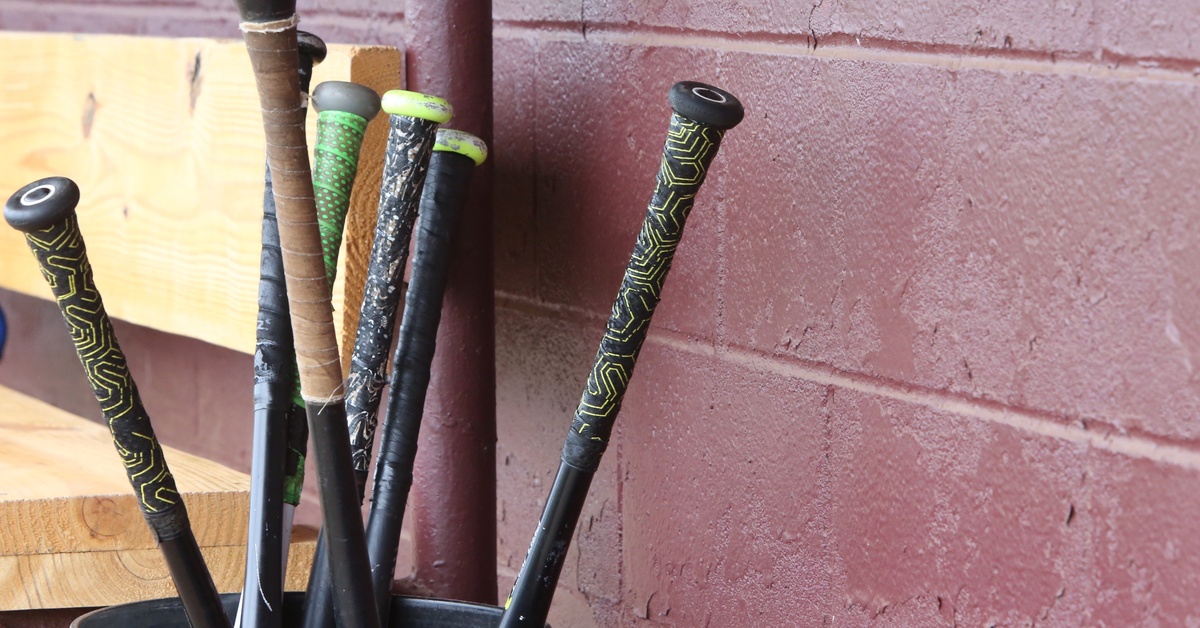
Ever grabbed a bat from the dugout and felt like something was off? Maybe it felt too light or just did not swing right in your hands. You likely grabbed the wrong type of lumber for your specific sport. While they look similar from the stands, the engineering behind these tools is distinct.
Knowing which tool to use can make or break your at-bat. Mixing the bats up could even lead to a broken bat or bruised ego. Here is how you can tell them apart before you step into the box.
Length and Barrel Dimensions
The most obvious visual cue lies in the equipment’s physical dimensions. Baseball bats generally feature a thick barrel that tapers down to a thicker handle. They can legally reach up to 42 inches in length, though most pros use between 32 and 34 inches.
Softball bats are usually longer and leaner in appearance compared to their baseball counterparts. They typically top out at 34 inches but maintain a consistent 2.25-inch barrel diameter. The difference between softball and baseball bats is immediately apparent when you compare the barrel thickness side-by-side.
Weight and The Drop
This detail is where the physics gets interesting for gearheads and players alike. Manufacturers calculate “drop” by subtracting the weight of the bat in ounces from its length in inches. Baseball bats usually have a lower drop, meaning they are heavier relative to their length.
If you are looking for high-quality slowpitch bats, you will notice they possess a much higher drop weight. This design allows faster swing speeds to hit the larger, heavier ball effectively. A lighter bat helps players generate the necessary whip through the zone.
Material Composition
Baseball purists often stick to wood options like ash, maple, or birch. However, metal and composite options are available for amateur play and college play. These materials prioritize durability and that classic “pop” sound upon contact.
Softball relies heavily on composite materials explicitly designed for the “trampoline effect.” The walls of the bat flex upon impact to launch the ball further down the field. This specific engineering highlights the difference between softball and baseball bats in terms of actual performance.
Respect the Gear
Next time you head to the plate, double-check your gear to ensure success. Using the right equipment ensures you stay safe and hit effectively against the pitcher. Whether you play a diamond or a field, respecting the game means respecting the gear.