The Most Common Types of Compliance Mistakes Factories Make
Staying compliant in a factory environment is not just about passing inspections; it’s about protecting workers, maintaining operational efficiency, and avoiding costly penalties. Regulations surrounding workplace safety, environmental impact, and equipment standards are complex and constantly evolving, but even well-intentioned companies can make mistakes that put their operations at risk. Understanding the most common compliance missteps factories make can help manufacturers stay ahead and maintain a safe, efficient facility.
Inadequate Documentation and Recordkeeping
One of the most frequent compliance mistakes factories make is failing to maintain accurate and up-to-date documentation. Regulatory agencies often require detailed records related to safety training, equipment maintenance, inspections, and incident reports. When documentation is incomplete, outdated, or disorganized, it can quickly become a liability during an audit or inspection.
In some cases, factories conduct the required training or maintenance but fail to properly record it. Without written proof, regulators may treat it as if it never happened. Strong recordkeeping systems, whether digital or paper-based, are essential for demonstrating compliance and identifying potential gaps before they escalate into violations.
Insufficient Employee Training
Another common issue is inadequate or inconsistent employee training. Factories often operate heavy machinery, handle hazardous materials, and follow strict safety protocols. If workers are not thoroughly trained or if refresher courses are skipped, the risk of accidents and non-compliance increases significantly.
Training should not be treated as a one-time event during onboarding. Regulations frequently change, and equipment or processes may be updated. Regular training sessions and clear communication ensure employees understand their responsibilities and know how to operate within compliance guidelines. When training is rushed or overlooked, both safety and regulatory standing can suffer.
Poor Handling and Disposal of Hazardous Materials
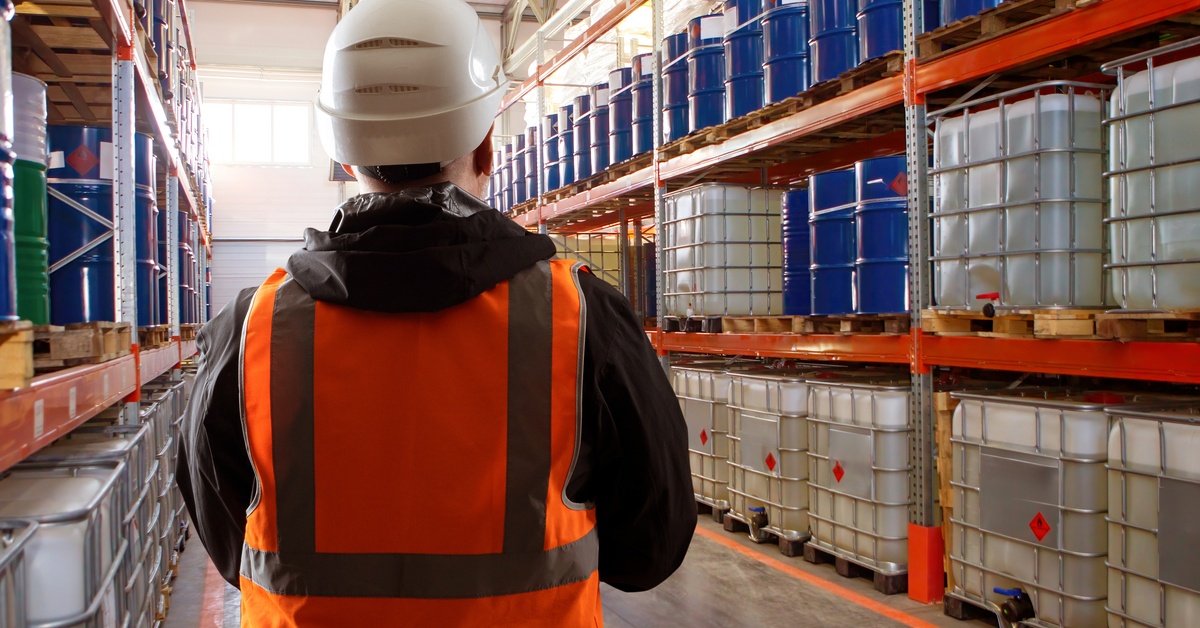
Handling and disposal of hazardous materials is an area where many factories fall short. Manufacturing processes often involve chemicals, solvents, oils, and other substances that require strict management. Improper storage, labeling, or disposal can lead to serious environmental violations and substantial fines.
Hazardous materials must be clearly labeled, stored in approved containers, and kept in designated areas that meet regulatory standards. Disposal procedures must follow federal, state, and local guidelines, including proper documentation and use of certified waste management services. It’s not uncommon for government agencies to conduct hazardous waste inspections, making it important for manufacturers to know what to expect during these meetings. Know what the law requires of you and what to expect when regulatory bodies visit.
Neglecting Equipment Maintenance and Safety Inspections
Compliance also hinges on maintaining equipment and conducting routine safety inspections. Machinery that is not properly maintained can become a safety hazard and may fall out of regulatory compliance. Guards, emergency stops, ventilation systems, and fire suppression equipment must be inspected regularly to ensure they function as intended.
Some factories delay maintenance to reduce downtime or cut costs, but this short-term thinking can lead to accidents, production halts, and regulatory penalties. Preventive maintenance schedules and documented inspections are critical components of a strong compliance strategy.
Overlooking Regulatory Updates
Regulations governing manufacturing environments evolve over time. A factory that was compliant last year may not meet new standards today. One of the most common types of compliance mistakes factories make is failing to stay informed about changes in occupational safety, environmental protection, or industry-specific regulations.
Assigning responsibility to a compliance officer or team helps ensure that regulatory updates are monitored and implemented promptly. Regular internal audits and compliance reviews can also identify outdated practices before they result in fines or enforcement actions.
Building a Culture of Compliance
Compliance is not just about avoiding penalties; it is about creating a culture where safety and responsibility are priorities. When leadership emphasizes compliance, invests in training, and encourages accountability, factories are better positioned to avoid common mistakes. Proactive planning, consistent documentation, and ongoing education form the foundation of a compliant and resilient operation.