Things in Your Yard That Are Ruining Your Home’s Value
Your yard can either boost your home’s value or quietly drag it down. Here are the most common outdoor issues that hurt curb appeal and how to fix them.
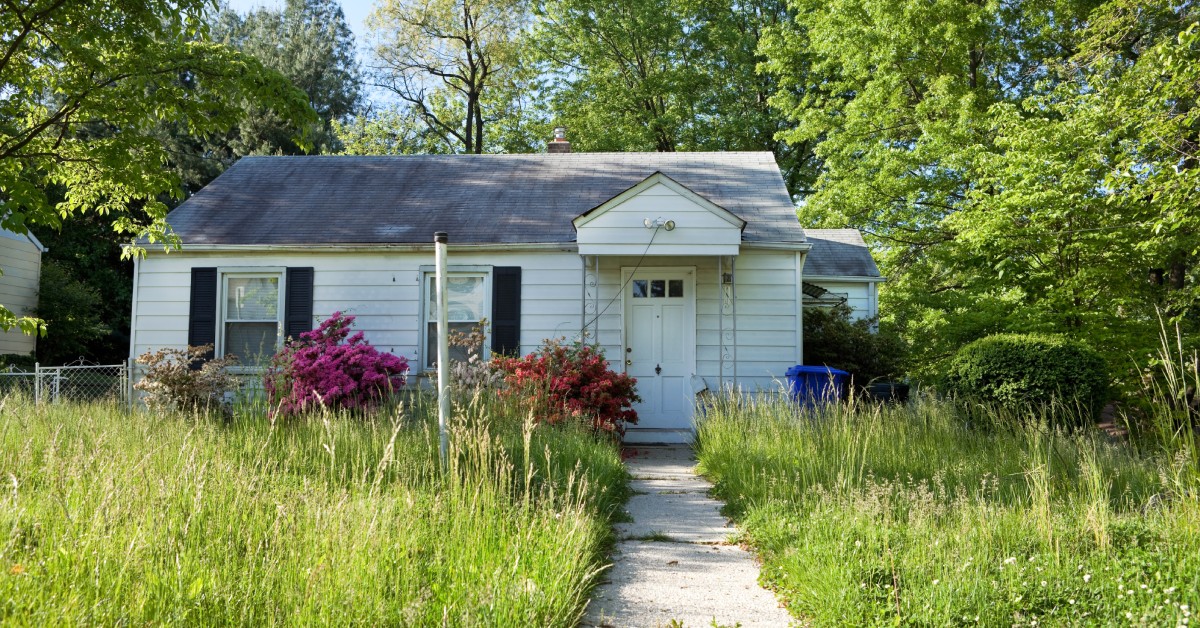
When buyers pull up to your home, they start judging before they even step out of the car. Your yard sets the tone. A clean, well-maintained exterior can boost your property’s value and attract stronger offers. On the other hand, a neglected yard can lower perceived value fast. If you plan to sell or simply want to protect your investment, you need to pay attention to what sits outside your front door.
Below are some of the most common yard issues that hurt home value and what you can do about them.
Dead or Dying Trees
Large, unhealthy trees create instant concern for buyers. They signal potential safety hazards and future expenses. A tree with visible decay, leaning trunks, or hanging limbs makes people worry about roof damage or injury.
You should remove dangerous trees before listing your home. Even a single unstable tree can lower offers because buyers factor in removal costs. If you recently cut a tree down, don’t leave the stump behind. Grinding a stump away improves curb appeal and eliminates tripping hazards, pest problems, and ugly eyesores.
Overgrown Landscaping
Shrubs that block windows, hedges that swallow walkways, and weeds that take over flower beds make your property look smaller and poorly maintained. Buyers often assume the inside of the home reflects the same level of care.
Take control of your landscaping by focusing on:
- Trimming bushes away from siding and windows
- Cutting back overgrown hedges
- Removing weeds from beds and cracks
- Defining clean edges along lawns and walkways
- Adding fresh mulch for a finished look
Simple yard cleanup projects create a dramatic difference. You don’t need elaborate landscaping. You just need clean, intentional design.
Patchy or Dead Lawn Areas
A brown, uneven lawn signals neglect. Buyers notice bare spots immediately, especially in the front yard. Poor grass condition can also hint at drainage issues or soil problems.
Reseed thin areas and commit to a consistent watering schedule. If your lawn struggles year after year, consider professional aeration or soil treatment. In some climates, drought-resistant landscaping or low-maintenance ground cover makes more sense than fighting nature.
Poor Drainage and Erosion
Standing water, muddy patches, and visible erosion scare buyers. Water issues suggest foundation risks and long-term structural damage. Even minor grading problems can raise red flags.
Walk your yard after heavy rain. Look for pooling water near the house or low areas that stay soggy. Improve drainage with proper grading, downspout extensions, or French drains if needed.
Fences in Bad Shape
A leaning, rotting, or missing fence section drags down curb appeal. Fences frame your yard, so damage stands out immediately.
Repair loose boards, replace broken panels, and apply fresh stain or paint when needed. If a fence no longer serves a purpose and looks beyond repair, remove it entirely.
Take Control of Your Curb Appeal
Your yard plays a major role in your home’s overall value. Buyers connect outdoor maintenance with interior care. When you handle tree issues, lawn health, drainage, and clutter, you send a strong message that you take pride in ownership.
Small improvements outside can protect thousands of dollars in property value. Start with the most visible problems and work your way down the list. Your home, and your future selling price, will thank you for it.
Related Home & Property Tips: