
What Makes a Go-Kart Track Exciting To Drive?
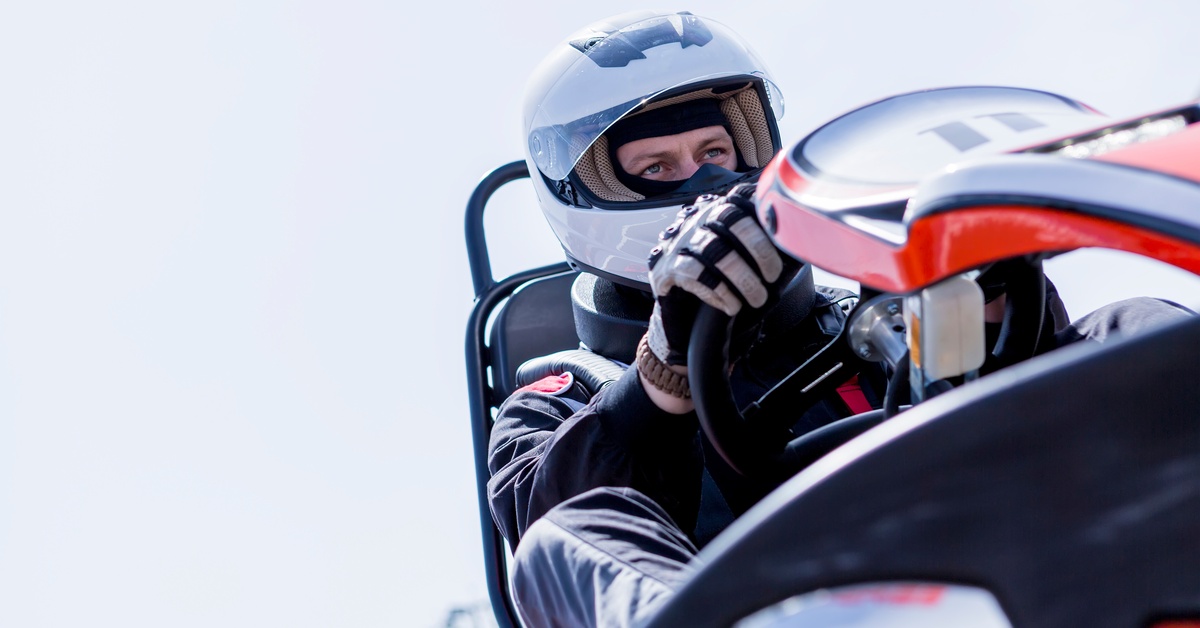
You finish a lap, pull back into the pit lane, and immediately wish you had another chance to tackle that one tricky corner. That’s the kind of excitement that makes go-karting so addictive, but not every course delivers it. What makes a go-kart track exciting to drive comes down to more than speed. A great layout keeps you engaged by giving you new challenges to master as you become more confident behind the wheel.
A Track Layout That Keeps You Interested
You can usually tell when a course has a well-planned layout. Each section leads naturally into the next, giving you enough time to prepare for approaching corners without making the route obvious or repetitive. Rather than relying on constant sharp turns, a good layout changes the demands of driving as you progress.
For example, you might accelerate along a straightaway before approaching a corner that requires careful braking. Once you navigate that section, the course could open into a faster sweeping turn where maintaining momentum becomes your main objective. Those contrasting challenges make the driving more interactive.
A track doesn’t necessarily need a large footprint to accomplish this. Thoughtful use of the available space can provide plenty of variety within a relatively compact course.
Corners That Reward Better Driving
Corners offer some of the most satisfying moments in go-kart racing because they give you opportunities to improve your technique. You need to judge your entry speed and choose a suitable path through each turn. Get it right, and you’ll carry more momentum into the following section.
Different corner shapes also demand different approaches. A hairpin requires you to slow down considerably, while a gradual bend may allow you to maintain a steadier pace.
Elevation Changes That Add Something Unexpected
Flat tracks can deliver excellent racing, but changes in elevation introduce a different sensation. Driving uphill changes your perspective of the course, while descending can make the following section seem more dynamic. You don’t necessarily need an elaborate multi-story structure to enjoy those effects. Some single-level tracks incorporate multi-level elements such as small bridges or banked corners to create memorable sections without extending an entire course onto another floor.
Banked turns are particularly interesting because their angled surfaces can support faster cornering when the track and kart setup allow it. Bridges offer a different experience, giving drivers a brief climb and descent that stands apart from the surrounding layout.
For operators, these features require careful consideration of sightlines and suitable transitions between elevations. For drivers, they can make a familiar activity seem refreshingly different.
Straightaways That Give You Room To Accelerate
After navigating a demanding series of turns, reaching an open straightaway can be particularly satisfying. You finally have an opportunity to accelerate without immediately preparing for another corner. The most effective straight sections also create anticipation. As you build speed, you need to think about the next braking point and prepare for the turn ahead.
Longer doesn’t automatically mean better, though. A straightaway should suit the capabilities of the karts and connect naturally with the surrounding course. If it ends in a challenging corner, the transition can become one of the most rewarding parts of the lap.
Opportunities for Friendly Competition
Racing becomes more engaging when you have something to work toward. You don’t necessarily need an organized competition to enjoy that motivation. Sometimes, comparing lap times with friends gives you all the encouragement you need.
A course with varied driving demands makes those comparisons more interesting because outright speed won’t always determine the fastest lap. Drivers also need consistency and good judgment through technical sections. If you’re visiting a facility that records lap times, you can use each session to set a personal goal. You might focus on improving a particular corner before attempting to beat your overall best time.
For casual groups, friendly competition can also turn a single outing into an activity everyone wants to revisit. Each driver gets an opportunity to improve without needing professional racing experience.
Visual Features That Make the Course Stand Out
Your surroundings contribute to the excitement long before you begin driving. Walking into an indoor karting venue with distinctive lighting or an interesting track arrangement can immediately capture your attention.
Once you’re on the course, visual details can give different sections recognizable identities. A brightly illuminated tunnel might become the part everyone remembers, while an elevated section could create an impressive view across the facility.
Operators can also use the appearance of the track to create a stronger connection with the venue’s overall theme. When those details complement the racing environment rather than distract from it, they add personality without compromising the driving experience.
The goal isn’t to overwhelm you with decoration. It’s to create a setting that makes the activity memorable beyond your lap time.
A Challenge That Matches Your Skill Level
An exciting course should give you enough confidence to participate while leaving opportunities to improve. If every corner seems intimidating, beginners may struggle to enjoy the session. On the other hand, experienced drivers might lose interest if the layout offers little room for skill development.
Facilities can approach that balance by considering the needs of their intended audience. A family-oriented venue may prioritize approachable driving sections, while a more competitive karting location might offer increasingly technical challenges.
When you’re choosing where to race, consider a few practical details:
- Kart options: Look for vehicles that suit your age and experience
- Track complexity: Consider whether the layout matches your confidence
- Session format: Check whether you’ll race against others or focus on lap times
- Staff guidance: Look for clear instructions that help you navigate the course safely
A Course That Makes You Want Another Lap
One of the best signs of an enjoyable karting experience comes when you finish a session and immediately want to try again. Perhaps you missed an opportunity to take a corner more smoothly, or you’ve finally figured out a section that challenged you earlier.
An engaging layout gives you reasons to return without requiring every lap to introduce something new. As your familiarity increases, you can begin noticing smaller opportunities to improve. That’s ultimately what makes driving a go-kart track exciting over repeated visits. You’re not just following a route. You’re actively developing your approach to it.