
What to Inspect Before Buying a Historic Home
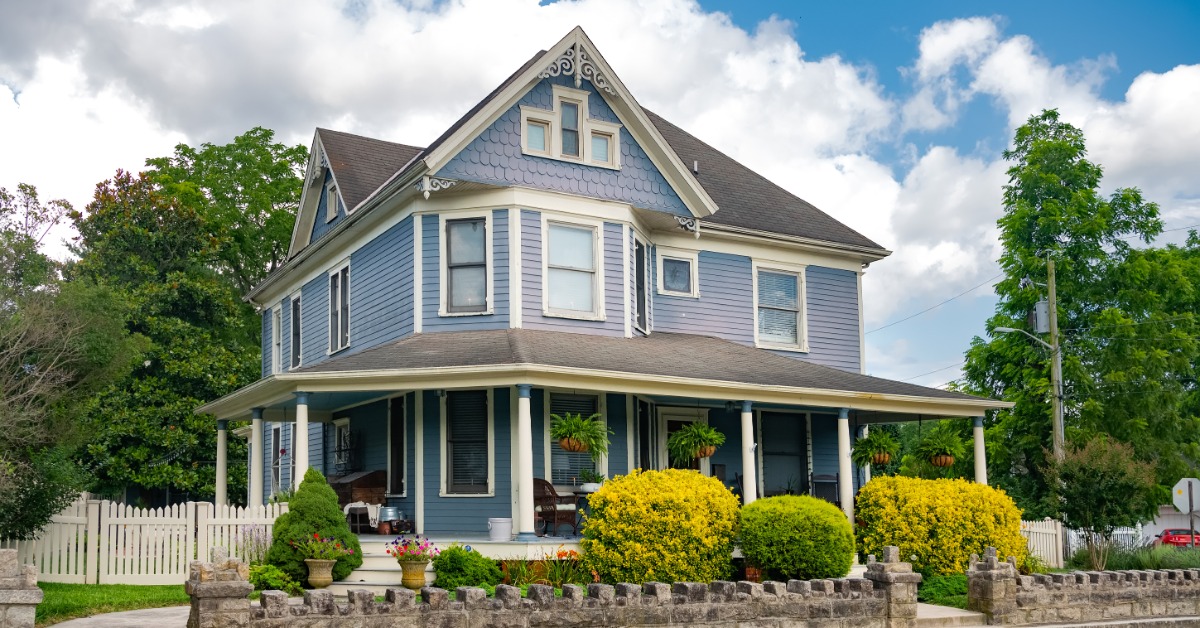
Historic homes have a certain magic that newer houses often try to copy but rarely match. They come with detailed trim and the kind of character that makes people slow down as they pass. For buyers who love craftsmanship and a little drama, an older home can feel like the dream.
Still, charm should never distract you from the inspection. A historic home can hide expensive problems behind beautiful plaster walls and original hardwood floors. Before you fall too hard for the stained glass window or clawfoot tub, you need to know what to inspect before buying a historic home and what repairs may cost after closing.
Start With the Home’s Structure
The structure tells you more than almost anything else. A historic home may have stood for decades, if not centuries, but age alone does not prove strength. Inspect the foundation, framing, floors, and support beams before you decide the home fits your budget.
Look for cracks in basement walls, uneven floors, sticking doors, or windows that no longer close properly. These signs may point to moisture damage or old framing that needs reinforcement. Some older homes settle naturally over time, but major movement can signal a much larger repair.
A qualified inspector can help separate harmless quirks from serious concerns. Historic homes often lean, creak, and shift in ways that feel normal for their age. However, you should never guess when the issue involves the foundation or load-bearing supports.
Pay Close Attention to Chimneys and Fireplaces
A fireplace can feel like the heart of a historic home, but it also needs serious attention. Many older chimneys have cracked crowns, loose mortar, damaged flashing, or outdated liners. These problems can create moisture issues and safety concerns.
During the inspection, ask a chimney professional to check the flue, masonry, damper, firebox, and exterior brickwork. General home inspectors can spot obvious issues, but chimney specialists better understand hidden risks. This matters even more if you plan to use the fireplace regularly.
Many buyers also want to know why older homes are so prone to chimney leaks, and the answer often involves aging masonry and decades of weather exposure. Water can slip through small gaps, then damage the interior of the house.
Review the Electrical System Carefully
Historic homes often come with electrical surprises. Some houses still contain knob-and-tube wiring or overloaded circuits. Even if the lights turn on, the system may not support modern appliances.
Look for two-prong outlets, flickering lights, warm switch plates, or a crowded panel. These signs do not always mean danger, but they do deserve professional review. Electrical upgrades can be expensive, especially when walls contain plaster instead of drywall.
Ask an electrician whether the home needs a full rewiring or targeted improvements. You should also check whether previous owners completed permitted work. Unpermitted electrical changes can create safety risks and headaches during insurance approval.
Inspect Plumbing Before You Trust the Charm
Old plumbing can hide behind lovely bathrooms and vintage kitchens. Galvanized pipes and aging sewer connections may still work, but they can fail with little warning. A slow drain may hint at a bigger issue below the floor.
Check water pressure and signs of leaks under sinks. Look for water stains near tubs, toilets, radiators, and basement ceilings. Small stains can reveal years of slow moisture problems.
A sewer scope can help you inspect the line between the home and the street. Tree roots and old clay lines can create major repair bills. This step matters even more on properties with mature trees, because their roots often chase moisture underground.
Ask About Historic Rules and Renovation Limits
A historic home may come with local rules that affect what you can change. Some areas regulate exterior changes, including roofing and porch repairs. These rules protect neighborhood character, but they can also shape your renovation budget.
Before you buy, call the local preservation office or planning department. Ask whether the property sits in a historic district or carries any special designation. You should also ask how the approval process works for repairs and improvements.
These rules do not have to scare you away. They help you plan wisely. Understanding the limits early can help you avoid buying a home with renovation dreams that local guidelines will not allow.
Watch for Safety Issues Behind Old Beauty
Older homes may contain materials or conditions that require extra care. You do not need to panic, but you do need clear information.
Ask inspectors to check common risk areas before you move forward. Specialized testing can confirm lead or asbestos, and a contractor can explain safe removal or containment options.
Before you make an offer final, review these key safety points:
- Test for lead paint when the home predates 1978
- Ask about asbestos in insulation, flooring, or old pipe wrap
- Check stair railings, porch supports, and balcony edges
- Review basement and attic access for hazards
- Confirm smoke alarms and carbon monoxide alarms meet current needs
Safety updates may not ruin the character of the home. In many cases, smart improvements make the house more livable while preserving the details you loved in the first place.
Review Past Repairs and Renovations
A historic home often carries a long trail of repairs. Some owners may have invested in excellent craftsmanship, while others may have patched problems just enough to sell. Your job is to figure out which repairs add value and which create risk.
Ask for permits and warranties. Look closely at additions, finished basements, remodeled kitchens, and enclosed porches. These areas often reveal whether past owners respected the home’s structure or rushed through updates.
Mismatched flooring and strange wall angles can all hint at hidden changes. These details do not always signal trouble, but they deserve questions. A good inspector can help you understand what changed and whether those changes meet current standards.
Plan for Ongoing Maintenance Costs
A historic home needs a buyer who loves maintenance, or at least respects it. You may need to repaint wood siding, restore windows, tuckpoint brick, service radiators, repair plaster, or maintain older drainage systems. These tasks protect the home’s character and value.
Build a yearly maintenance budget before you buy. This helps you avoid sticker shock when the first repair comes due. You should also keep a separate emergency fund for urgent issues, because older homes rarely wait for the perfect financial moment.
Talk with contractors who understand historic properties. Standard quick-fix repairs can damage original materials or reduce long-term value. The right professionals can help you preserve the home while making it safer and easier to live in.
Make the Final Decision With Clear Eyes
Buying a historic home can feel exciting, but that doesn’t mean the inspection isn’t vital to closing the sale. Look beyond the pretty staircase and ask direct questions about the condition of key components and any updates made. Bring in specialists when the home needs more than a general inspection. A few extra evaluations can protect your budget and strengthen your negotiating position.
A historic home can become a beautiful place to live when you understand what it needs. With the right inspection process, you can enjoy the charm without walking blindly into repairs. The goal is not to find a perfect old house. The goal is to find one whose story and condition match the life you want to build inside it.