
5 Tips for Building a Circle Track Racecar
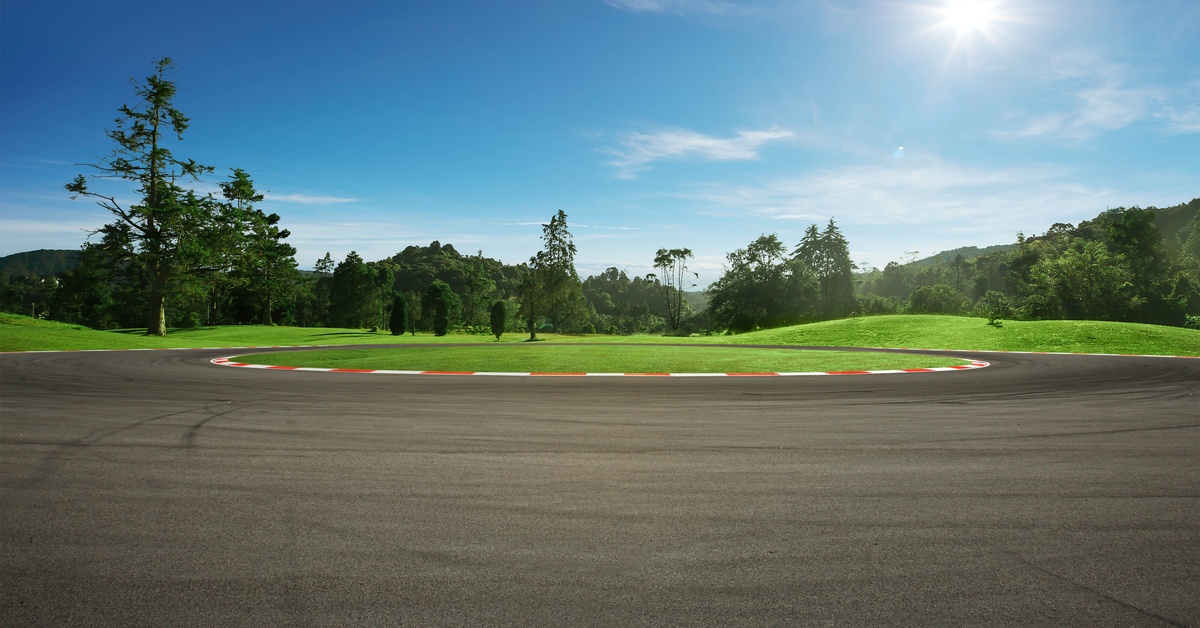
In circle track racing, drivers compete on oval tracks—typically dirt or asphalt—running repeated laps where cornering, throttle control, and traffic management matter as much as raw speed. Because you’re turning left for most of the night, the car lives under constant lateral load, tires heat up quickly, and even small setup mistakes show up as push, loose conditions, or sudden tire falloff.
That’s exactly why building your own car can be the best route. When you assemble the car yourself, you learn how every system connects—steering feel to front geometry, rear traction to suspension choices, driveline behavior to gearing and clutch engagement. Below, we offer some helpful tips for building a circle track race car that will lead you to victory.
1) Start with the rulebook, not the shopping cart
Different tracks and classes enforce different limits on weight, cage design, fuel cell rules, and drivetrain components. You save money when you pick a class first, then choose parts that fit it. Measure twice, weld once, and keep documentation for safety gear so paperwork doesn’t sideline you.
2) Put safety upgrades ahead of horsepower
Speed feels fun until the first real hit. Prioritize a proper safety cage around the driver, a solid seat mount, current belts, and fire protection before you chase power. When you bolt things in, use backing plates and quality hardware. A safe car also feels calmer, which makes you faster over a long run.
3) Build the chassis for balance, not “more grip”
Another tip for building a circle track race car is to think more about balance for the chassis rather than grip. A circle track race car wins when it stays consistent as the tires heat up and the groove changes. Focus on neutral handling: predictable entry, stable middle, and forward bite off. Set ride heights, confirm alignment, then make one change at a time.
4) Treat the drivetrain like a durability project
Oval racing punishes clutches, gearing, and cooling because you repeat hard launches, quick shifts, and long high-load runs. Choose components that handle torque without slipping, and that stay consistent when hot. You’ll need a performance clutch that’s best for circle track racing, so look for clutches that offer performance, durability, and acceleration.
5) Log everything like a team with a trailer
Write down tire pressures, track temp, stagger, shock settings, and what the car did on entry/mid/exit. Even a basic notebook helps you spot patterns and avoid chasing your tail. The more consistent your notes, the quicker you dial in your circle track race car when the surface changes.
Start building a winning car today
Building a circle track car that lasts isn’t about chasing the biggest number on a dyno. It’s about starting with the rules, putting safety first, dialing in a balanced chassis, choosing drivetrain parts that can take the heat, and tracking every change so you can improve week after week. Do that, and your car won’t just look race-ready—it’ll finish races, stay consistent as conditions change, and give you a real baseline to build speed on.