
The Real Cost of Ignoring Minor Vehicle Issues
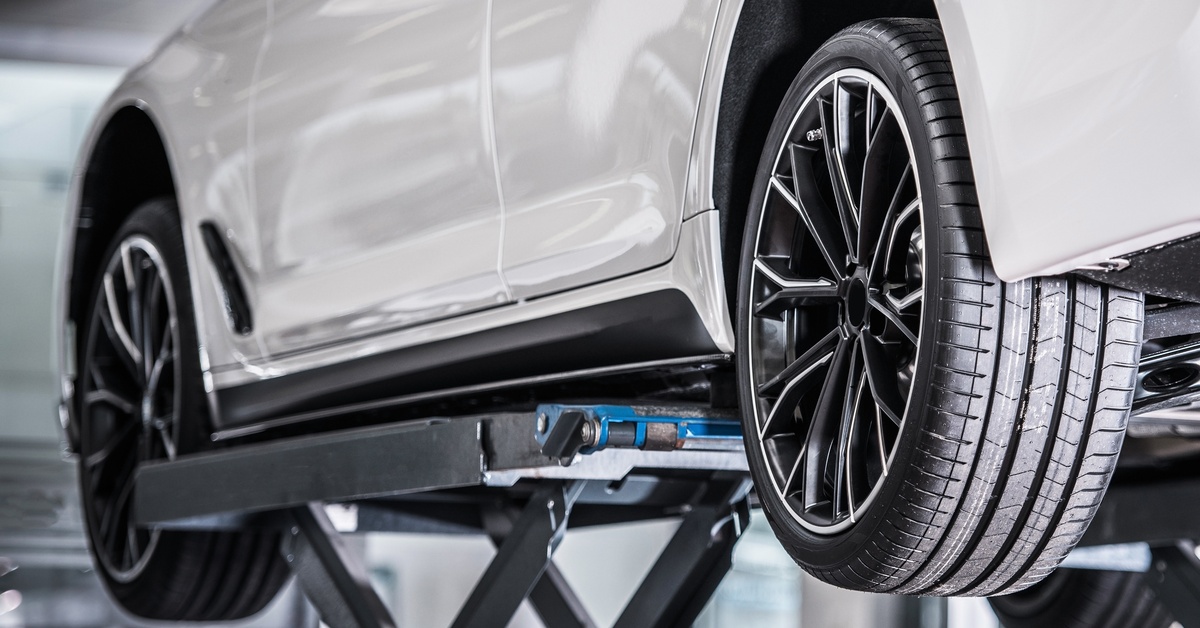
A strange sound, a tiny dashboard light, or a slight steering pull can feel easy to ignore. Life gets busy and nobody wants another bill. However, small vehicle issues rarely stay small for long. When drivers delay simple maintenance, they often trade a manageable fix for a much more expensive problem. It’s important to learn about the real cost of ignoring minor vehicle issues.
Small Problems Can Snowball Fast
Minor vehicle issues often act like early warnings. Your car usually gives clues before a part fails completely. A squeaky belt, soft brake pedal, or slow engine start can signal trouble that needs quick attention. When you respond early, you protect your budget and avoid bigger disruptions.
Waiting can turn one worn part into several damaged systems. For example, a neglected oil leak can affect engine performance and create long-term wear. A weak battery can strain other electrical components. Drivers save money when they treat warning signs as useful information instead of background noise.
Repairs Cost More After Damage Spreads
A small repair usually costs less because mechanics can fix the issue before it affects nearby parts. Once damage spreads, labor and replacement costs increase. A simple brake pad replacement can become a rotor or caliper repair when drivers wait too long. That delay adds stress to the vehicle and the owner.
Vehicle maintenance also protects resale value. Buyers and dealerships notice poor maintenance records, uneven tire wear, and unresolved mechanical issues. A car with documented care often attracts better offers. Regular upkeep helps drivers keep more value in their investment.
Safety Should Never Feel Optional
Minor issues can create major safety risks. Worn tires, dim headlights, weak brakes, and steering problems can reduce control on the road. Even if the vehicle still runs, it may not respond properly during sudden stops or bad weather. Drivers should treat safety-related repairs as priorities, not optional upgrades.
Alignment problems offer a clear example. When a car pulls to one side, drivers may adjust without thinking. Over time, that issue can wear tires unevenly and make handling less predictable. This explains why wheel alignments extend tire life and safety for everyday drivers.
Warning Signs You Shouldn’t Ignore
Drivers don’t need expert knowledge to notice common red flags. A quick response can prevent expensive repairs and reduce roadside emergencies. Pay attention when your vehicle changes how it sounds, feels, smells, or handles. These signs deserve a closer look before they become bigger problems:
- Dashboard warning lights that stay on.
- Grinding, squealing, or knocking sounds.
- Burning smells or fluid spots under the car.
- Steering wheel vibration or pulling.
- Longer stopping distances.
- Sudden drops in fuel efficiency.
Maintenance Protects Your Routine
Car trouble never chooses a convenient time. A breakdown can interrupt work, school, travel plans, or weekend errands. Preventive care gives drivers more control over their schedules. It also reduces the chance of surprise towing costs and emergency repairs.
Modern life already comes with enough random chaos. Vehicle maintenance may not feel exciting, but it supports freedom and reliability. Drivers who handle small issues early can avoid dramatic repair bills later. That practical choice keeps daily life moving with fewer headaches.
Ignoring minor vehicle issues can cost more than money. It can affect safety, reliability, resale value, and everyday peace of mind. Small warning signs give drivers a chance to act before real damage takes over. A little attention now can prevent a much bigger problem down the road.