
6 Ways Custom Cars Shape the Look of Music Videos
Custom cars do much more than add style to a music video. The right vehicle can establish regional identity, represent success, set a time period, create movement, and reflect an artist’s personality. These six examples show why carefully chosen cars often become some of the most memorable elements of a music video.
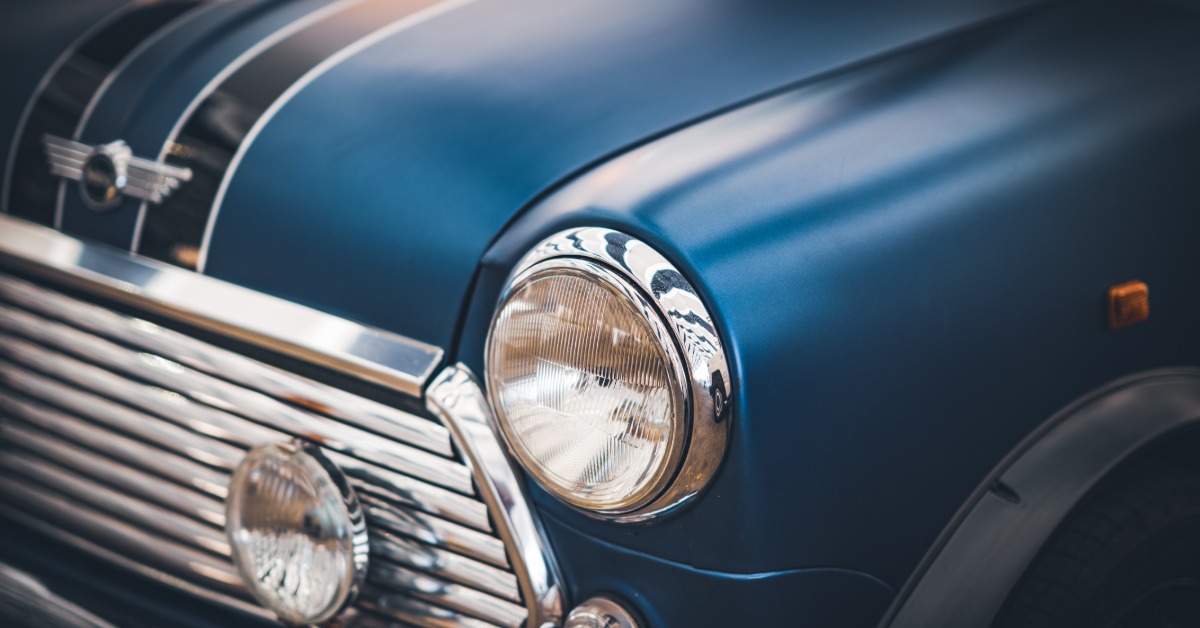
A great music video can make a car unforgettable before you know its make or model. A candy-painted cruiser glides into frame. A sharp sports coupe flashes under city lights. A weathered classic waits outside a roadside motel and somehow tells you exactly what kind of night this will be.
Those vehicles are doing far more than filling the background. That is how custom cars shape the look of music videos: they build a visual world around the song. The right car can establish a place and signal ambition. It can also set a time period or reveal an artist’s personality in seconds. Here are six reasons cars keep becoming some of the most memorable performers on screen.
They Put Regional Identity on Screen
Car culture changes from one city to the next, and music videos know how to use that visual shorthand. Lowriders can evoke the boulevards and creative communities of Southern California. Japanese tuner builds bring a different street scene into view. Oversized Southern styles can make a neighborhood feel present before a location card ever appears.
The strongest videos respect that history instead of borrowing a few flashy details. When the car suits the setting, the choice feels specific. Wardrobe and music can reinforce the same sense of place. Viewers are not simply seeing a vehicle; they are entering a culture.
They Make Success Instantly Visible
Music videos have only a few minutes to establish their world, so cars often become a fast visual shortcut. A chauffeured sedan suggests control. A low-slung exotic promises speed and excess. An immaculate vintage coupe communicates patience, taste, and the resources needed to preserve something rare.
Customization makes that message more personal. The same rental supercar seen in a dozen videos can fade into the scenery. A surprising paint color or unusual interior earns a second look. So can a carefully chosen older model. The choice tells the audience that success is not only about price. It is also about having a point of view.
Viewers already know the usual symbols of wealth. Showing them one more predictable hood ornament rarely leaves a mark. A memorable build makes the ambition feel personal, as though the artist chose it instead of checking a box.
They Turn Back the Clock
Few props work as quickly as a car when a video needs to bend time. Boxy sedans and chrome-heavy cruisers can pull viewers into a past decade without a long explanation. One close-up of an analog dashboard completes the trip. Meanwhile, a futuristic body kit and an electric glow can make an ordinary street look like tomorrow.
The trick is consistency. A period car lands best when the wardrobe and location support the same mood. Lighting and camera treatment should follow their lead. It does not always need to be historically perfect; music videos are allowed to remix eras. Still, every choice should feel intentional. Otherwise, the car looks less like storytelling and more like a prop that took a wrong turn.
Cars also let a video combine timelines in one image. A classic body with modern wheels can make the past feel newly alive, while an older vehicle in a futuristic setting creates instant tension. That contrast can say more than a literal flashback.
They Put the Performance in Motion
Movement is another way custom cars shape a music video’s look. Music is built on motion, and cars give directors countless ways to put that energy on screen. A slow cruise can match a relaxed groove. A convoy can make a chorus feel larger. Quick cuts between the wheels and mirrors add momentum, especially as streetlights sweep over the bodywork.
Custom features can become part of the rhythm too. Hydraulics can rise with the beat, while reflective paint shifts under moving lights. Even an opening door can turn a simple entrance into a reveal. The best sequences make the vehicle move with the song instead of treating every driving shot as interchangeable B-roll.
Even a parked car can create motion. Reflections slide across its panels while performers circle the bodywork. Then the camera can trace a line from the wheels to the face behind the wheel. Good direction turns metal into choreography.
They Bring the Artist’s Personality to Life
A car choice can function like a piece of wardrobe. A restored classic may suggest nostalgia and precision. A rugged truck can make an artist feel grounded and practical. A strange concept build might signal that normal rules were never part of the plan. The same idea applies off camera, as the ways a car expresses your personality can say plenty about individual style and interests.
Small details often carry the most personality. Wheels and upholstery can echo an album’s colors. Paint or a dashboard ornament can extend a performer’s visual style. The vehicle does not need to belong to the artist for that choice to work. On screen, it becomes part of the character the video is creating.
This works far beyond videos built around nightlife or luxury. The same idea works in a quiet folk ballad. It can feel just as natural in a loud pop release. The right choice depends on the story, not the size of the budget.
They Take a Starring Role
Sometimes a custom car stops supporting the scene and starts owning it. A dramatic silhouette or one-of-a-kind finish can become the image viewers remember long after the final frame. The same is true of a perfectly timed entrance. It may even supply the thumbnail or social clip. Fans will keep discussing the details.
That does not happen simply because the car is expensive. It happens because the video gives it a role. The vehicle might return throughout the story or interact with the performer. In other videos, it anchors the strongest location. When removing it would change the mood of the entire video, it has graduated from background decoration to co-star.
That role can continue after the premiere. Fans recreate shots and debate details. Before long, they associate a particular silhouette with the song itself. For a director, that is a powerful result: one well-chosen object can give an entire release a recognizable visual signature.
Why Cars Keep Stealing the Scene
Custom cars remain powerful music-video tools because they communicate several ideas at once. A single shot can carry local history and ambition. The next can deliver nostalgia or pure visual energy. Few other objects can move through a scene, reflect its surroundings, and still feel like a character.
The next time a vehicle rolls into a music video, look beyond the badge on the hood. Notice its color and movement. Then look at the neighborhood around it and the moment it appears. If the scene feels instantly unforgettable, the car is probably doing some of the storytelling before anyone says a word.