
How To Improve Your Bronco’s Off-Road Performance
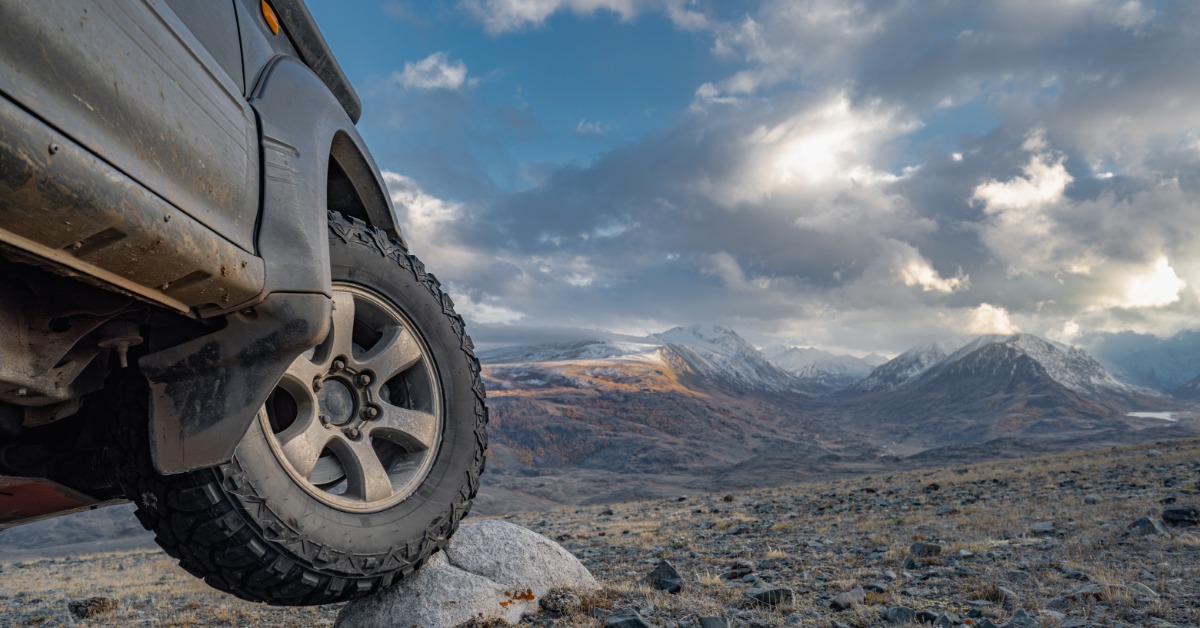
Your Ford Bronco offers impressive off-road capabilities, but even a powerful vehicle has limitations when you venture onto difficult terrain. Rough trails demand more from your vehicle than ordinary roads, and certain modifications can make a noticeable difference in performance. Whether you prefer rocky paths or remote wilderness routes, proper preparation helps you approach unfamiliar obstacles with greater confidence.
Improving your Bronco requires a thoughtful approach that considers how the vehicle responds to different environments. Every component contributes to its overall performance, and modifications must work together to maintain dependable operation. Rather than focusing exclusively on appearance, prioritize upgrades that address the actual demands of your preferred terrain.
Understanding how to improve your Bronco’s off-road performance begins with an assessment of your current vehicle configuration. Consider the limitations you encounter most often and determine whether specific upgrades can address those challenges. With the right modifications and proper maintenance, you can prepare your Bronco for more demanding trails.
Select Better Off-Road Tires
Your tires have a direct influence on how your Bronco handles difficult terrain. Standard tires may perform well on maintained roads, but aggressive trails demand tread patterns that can maintain traction on loose surfaces. The right tires help your vehicle maintain contact with the terrain, even when conditions become unpredictable.
Choose tires that match the routes you prefer. Larger tires may offer additional ground clearance, but they can also place greater demands on your vehicle’s suspension and drivetrain. Before you make a purchase, verify that your preferred tire size fits your Bronco without interference.
Improve Your Suspension Performance
Your Bronco’s suspension plays a major role in how the vehicle responds to uneven terrain. Factory components offer capable performance, but specialized upgrades may provide greater control across demanding trails. A properly matched suspension system helps your tires maintain contact with irregular surfaces.
Avoid modifications that exceed your actual needs. Excessive suspension changes can affect how your Bronco behaves on paved roads and introduce unnecessary mechanical complications. Focus on a setup that supports your preferred terrain without sacrificing the comfort you expect from your vehicle.
Choose Appropriate Lift Height
A suspension lift can provide additional clearance beneath certain parts of your Bronco. It can also create room for larger tires when your preferred routes demand greater capability. Still, more lift height does not automatically mean better off-road performance, especially when excessive modifications affect vehicle stability.
With these tips for installing a Bronco lift kit for beginners, anyone can develop a better understanding of the installation process. Before you proceed, confirm that your selected kit matches your vehicle’s specifications. Professional installation can help you address necessary suspension adjustments and maintain safe vehicle operation.
Protect Your Vehicle Undercarriage
Your Bronco’s underside faces considerable exposure when you travel across rocky trails. A sudden impact against a hard obstacle can damage important mechanical components and interrupt your trip. Even experienced drivers can encounter unexpected contact when trail conditions become difficult.
Skid plates provide an additional layer of protection between vulnerable components and rough terrain. Choose protective equipment designed for your specific Bronco model to maintain proper fit and dependable performance. Secure installation matters because loose components can create additional problems during off-road travel.
Improve Your Clearance Angles
Ground clearance alone does not determine whether your Bronco can cross a difficult obstacle. Your approach angle affects how easily the front of your vehicle clears steep terrain. A low front bumper can restrict access to certain trails despite adequate clearance beneath the vehicle.
An appropriate off-road bumper can help address this limitation. Look for a design that reduces unnecessary front-end overhang without interfering with essential factory equipment. The objective is to improve obstacle clearance without compromising vehicle functionality.
Add Durable Rock Sliders
Your Bronco’s lower body panels remain vulnerable when narrow trails place rocks close to the vehicle. Even minor contact can cause expensive damage, particularly across technical routes with limited space. Rock sliders provide additional protection where ordinary exterior accessories may not withstand direct impacts.
Choose rock sliders designed specifically for your Bronco’s model and intended off-road use. A durable design with secure attachment points can help protect vulnerable body panels when your vehicle encounters difficult obstacles. Proper installation also matters because rock sliders must withstand direct contact without unnecessary interference with vehicle access.
Prepare For Vehicle Recovery
Even a capable Bronco can become immobilized when trail conditions exceed available traction. Deep mud or loose terrain may prevent your vehicle from moving forward despite careful throttle control. A reliable recovery plan becomes especially important when you travel far from maintained roads.
Recovery equipment should match your Bronco’s specifications and the demands of your preferred routes. Familiarize yourself with proper recovery procedures before you encounter a difficult situation. Never attempt an extraction without adequate preparation because excessive force can damage equipment and create serious safety hazards.
Adjust Tire Pressure Carefully
Tire pressure affects how your Bronco interacts with the terrain beneath it. Lower pressure may improve traction across certain loose surfaces, but excessive reductions can increase the risk of tire damage. The appropriate pressure depends on your equipment and the conditions you expect to encounter.
Avoid arbitrary tire pressure adjustments without consideration of manufacturer recommendations. Use a reliable pressure gauge to verify your tires before you enter difficult terrain. Once your off-road trip ends, restore appropriate road pressure before you return to highway travel.
Manage Your Vehicle Weight
Additional accessories can place considerable demands on your Bronco. Heavy equipment may affect suspension performance, particularly when the vehicle already carries substantial cargo. Excessive weight can also make your Bronco less predictable across steep or uneven terrain.
Keep your vehicle within the manufacturer’s recommended weight limits. Secure heavy equipment in appropriate cargo areas and avoid unnecessary modifications that add weight without a practical purpose. A balanced vehicle responds more predictably to driver input when you encounter difficult obstacles.
Refine Your Trail Techniques
Mechanical upgrades can improve your Bronco’s capabilities, but your decisions behind the wheel remain equally important. Aggressive throttle input can reduce traction and make difficult obstacles harder to navigate. Careful vehicle control allows you to approach technical terrain with greater precision.
Start with manageable trails before you attempt more demanding routes. Become familiar with your Bronco’s four-wheel-drive system and understand how its available modes respond to different surfaces. Experience helps you recognize your vehicle’s limitations and make better decisions when trail conditions become unpredictable.
Improving your Bronco’s off-road performance requires a thoughtful approach to vehicle modifications. The best upgrades address actual limitations rather than appearance alone. When you select components that match your needs, you can prepare your Bronco for difficult terrain without unnecessary compromises.
Take time to assess your vehicle before you invest in major modifications. Consider the routes you prefer and determine where your current setup needs improvement. Your experience on the trail should shape your decisions and help you prioritize worthwhile upgrades.