
A Guide to Equipping Your Jeep for Off-Roading
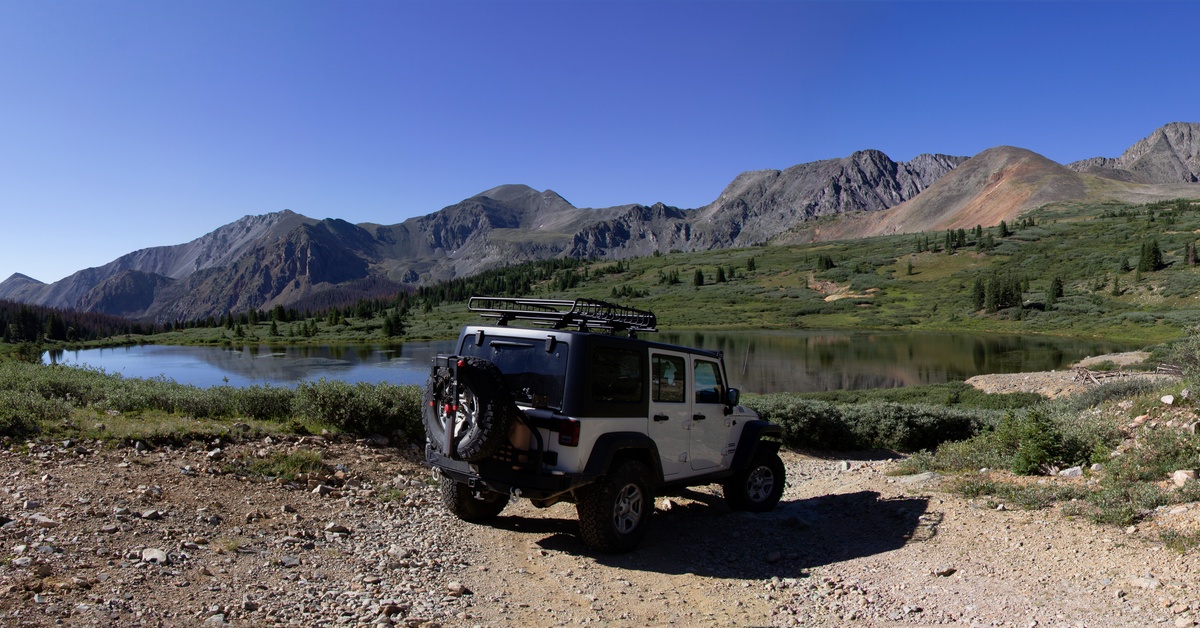
A stock Jeep can handle more than most daily drivers, but the trail asks for more than confidence. Mud, rocks, ruts, and steep climbs can expose weak points fast. The right setup makes the ride safer, smoother, and a lot more fun. If you’re looking to equip your Jeep for off-roading, read our guide below.
1. Start with the Tires
Tires change everything. They affect traction, ride quality, braking, and how much control you have when the ground gets loose or uneven. A good tip for choosing the best tires for your Jeep is to match the tire type to your most common terrain—whether you’re typically scaling rocks, kicking up mud, or rolling through sand dunes.
Size matters too. Bigger tires can improve ground clearance, but they also add weight and may require suspension changes. Load rating, tread pattern, and sidewall strength all matter when you leave smooth roads behind.
2. Protect the Parts That Take the Hits
Off-roading can get expensive when rocks meet exposed components. That is why skid plates, rock sliders, and solid bumpers earn their place early in the build. Skid plates shield vulnerable areas like the oil pan, transfer case, and fuel tank. Rock sliders protect the sides when the trail gets tight or uneven.
A strong front bumper also gives you a better mounting point for recovery gear. Rear bumpers can improve departure angle and provide extra protection when the trail drops off behind you. This gear may not look flashy at first, but it can save your Jeep from serious damage.
3. Never Hit the Trail Without Recovery Gear
Even experienced off-road drivers will occasionally get stuck. Recovery gear turns a bad moment into a short delay. A basic setup should include tow straps, D-rings, a recovery rope, gloves, and a shovel. A tire deflator and portable air compressor also deserve a spot in the cargo area.
If you plan to tackle more technical trails, a winch can move from nice-to-have to must-have. It adds weight and cost, but it gives you a self-recovery option when no one else is around.
4. Upgrade Suspension Only When You Need It
A lift kit looks great, but it should solve a real problem. More clearance helps with bigger tires and rougher obstacles, but it can also affect handling and driveline angles. Good shocks and springs can improve control without turning your Jeep into a project that never ends.
For many drivers, smart tire choice, protection, and recovery gear do more for Jeep off-roading than a huge lift ever will. Build for the kind of trail you actually drive, not the one you might try once.
Conclusion
With our guide, you’re ready to equip your Jeep for off-roading! Account for what type of off-roading you’ll be doing with your Jeep: whether it’s making steep rocky climbs or kicking up mud on forest trails. With the right preparation, you and your Jeep will be able to go anywhere!