
Benefits of Smart Thermostats in Commercial Buildings
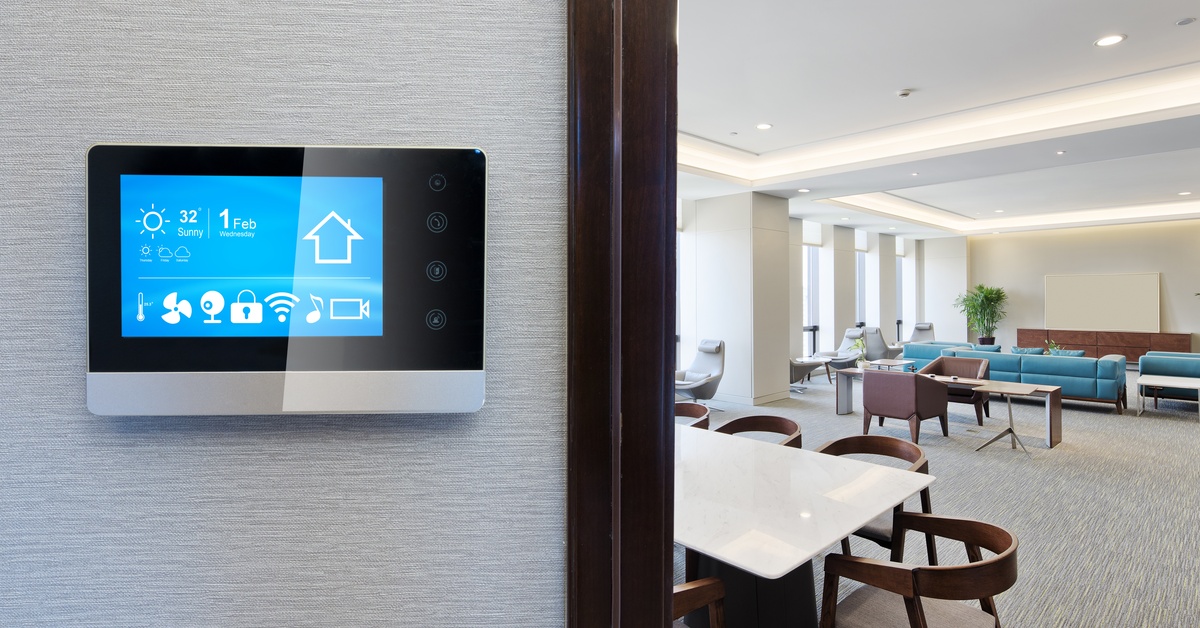
Smart thermostats are quickly becoming an essential tool for modern facility management. Unlike traditional thermostats, these intelligent devices offer advanced features that can significantly improve building operations. Let’s explore the top benefits of smart thermostats in commercial buildings, highlighting how they can lead to substantial savings and a more comfortable environment.
1. Enhanced Energy Efficiency
Smart thermostats offer the significant benefit of improving a building’s energy efficiency. These devices learn the occupancy patterns of a building and automatically adjust heating and cooling schedules to reduce energy use when spaces are unoccupied. By optimizing HVAC systems, businesses can significantly cut down on utility costs. This simple upgrade that makes a big impact on energy consumption ensures that you only use energy when and where it’s needed, preventing wasteful spending.
2. Improved Occupant Comfort
Smart thermostats play a crucial role in maintaining a comfortable environment for employees and visitors. They allow for precise temperature control, enabling facility managers to set personalized schedules for different zones within a building. Consistent and comfortable temperatures can boost employee productivity and overall satisfaction. By eliminating temperature fluctuations and providing a pleasant workspace, businesses can create a more positive and productive atmosphere.
3. Remote Monitoring and Control
The ability to remotely monitor and control a building’s climate is a game-changer for facility managers. Smart thermostats connect to a centralized platform, accessible via a smartphone or computer. This allows managers to adjust settings, monitor energy usage, and receive alerts for multiple locations from anywhere, at any time. This remote access is particularly useful for managing large facilities or a portfolio of buildings, streamlining maintenance and ensuring systems are running efficiently without needing to be on-site.
4. Data-Driven Insights
Smart thermostats provide a wealth of data on energy consumption and HVAC performance. This information offers valuable insights into a building’s operational efficiency. Facility managers can analyze these data trends to identify areas of inefficiency, pinpoint potential equipment issues before they become major problems, and make informed decisions about long-term energy strategies. This data-driven approach allows for continuous improvement and optimization of the building’s energy management plan.
Ultimately, the benefits of smart thermostats in commercial buildings extend beyond simple convenience. By providing enhanced efficiency, comfort, control, and data, they offer a powerful return on investment. Upgrading to smart thermostats is a strategic move that helps businesses reduce operational costs and create a better environment for everyone inside.