
Challenges Contractors Face When Working in Winter
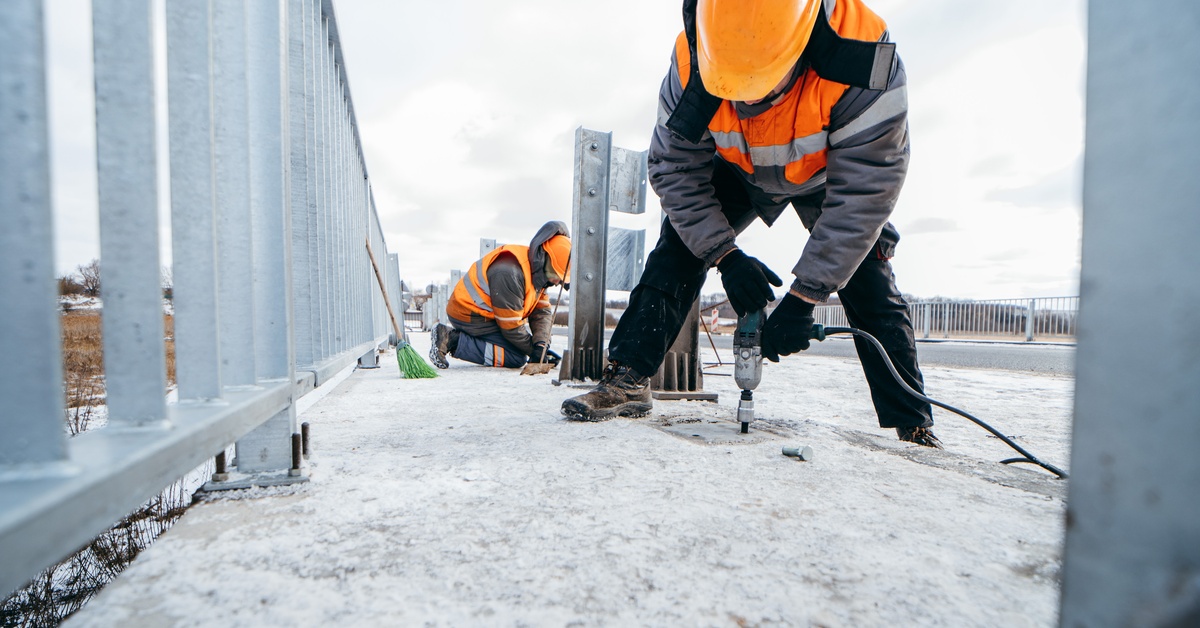
Winter brings a host of challenges that contractors must overcome to ensure their projects stay on track and meet deadlines. The combination of cold temperatures, unpredictable weather, and logistical hurdles can create significant obstacles in day-to-day operations. Understanding the challenges contractors face when working in winter is crucial for professionals to maintain efficiency and safety during the coldest months of the year.
Harsh Weather Conditions
One of the most daunting challenges contractors face in winter is dealing with unpredictable and extreme weather. Heavy snowfall, icy winds, and freezing rain can disrupt work schedules and delay project timelines. Poor visibility during snowstorms and the increased risk of slipping on icy surfaces make winter job sites hazardous for workers.
The accumulation of snow and ice can also create additional tasks like site clearing, which takes up valuable time and resources. Contractors must meticulously monitor weather forecasts and adjust their plans accordingly while prioritizing worker safety.
Equipment Failure Due to Low Temperatures
Low temperatures can wreak havoc on construction equipment, significantly impacting productivity. Diesel engines, which are common in construction machinery, are particularly prone to starting issues in freezing conditions. Hydraulic systems may slow down or malfunction, and batteries can lose a significant portion of their charge, further hampering operations.
Hoses can be especially vulnerable to the cold weather; however, knowing how heated hoses can prevent those failures is critical to maintain productivity. Contractors must invest in winterizing their equipment, including using cold-weather lubricants, insulating machinery, and scheduling regular maintenance to minimize downtime and future repairs.
Material Handling and Storage
Certain construction materials are especially sensitive to cold weather, presenting another layer of difficulty for contractors. Concrete, for example, requires specific precautions to ensure proper curing in freezing conditions. Failing to protect it from low temperatures can compromise its strength and integrity.
Similarly, adhesives, paints, and sealants may not function as intended in cold weather, making proper storage and temperature control essential. Contractors need to allocate additional time and resources to ensure materials are handled correctly and kept at suitable temperatures to avoid waste and delays.
Workforce Challenges
Winter weather doesn’t just impact equipment and materials; it also takes a toll on workers. Cold temperatures can affect worker productivity and morale, leading to slower progress. Frostbite and hypothermia are real risks when employees are exposed to frigid conditions for prolonged periods, necessitating frequent breaks in heated areas.
Commuting to job sites can be more dangerous due to icy roads, which results in tardiness or absences. Contractors need to implement safety protocols, such as providing appropriate winter clothing, heating stations, and hot beverages to ensure their teams stay warm, safe, and motivated.
Know How to Handle the Weather
Winter presents unique challenges for contractors to handle, from equipment maintenance and hazardous working conditions to material handling and workforce safety. While the season demands extra vigilance and preparation, contractors who prioritize planning, invest in the right resources, and adopt robust safety protocols can overcome these obstacles and complete their projects successfully, even in the face of harsh winter conditions.