
Factors That Influence Spray Foam Installation
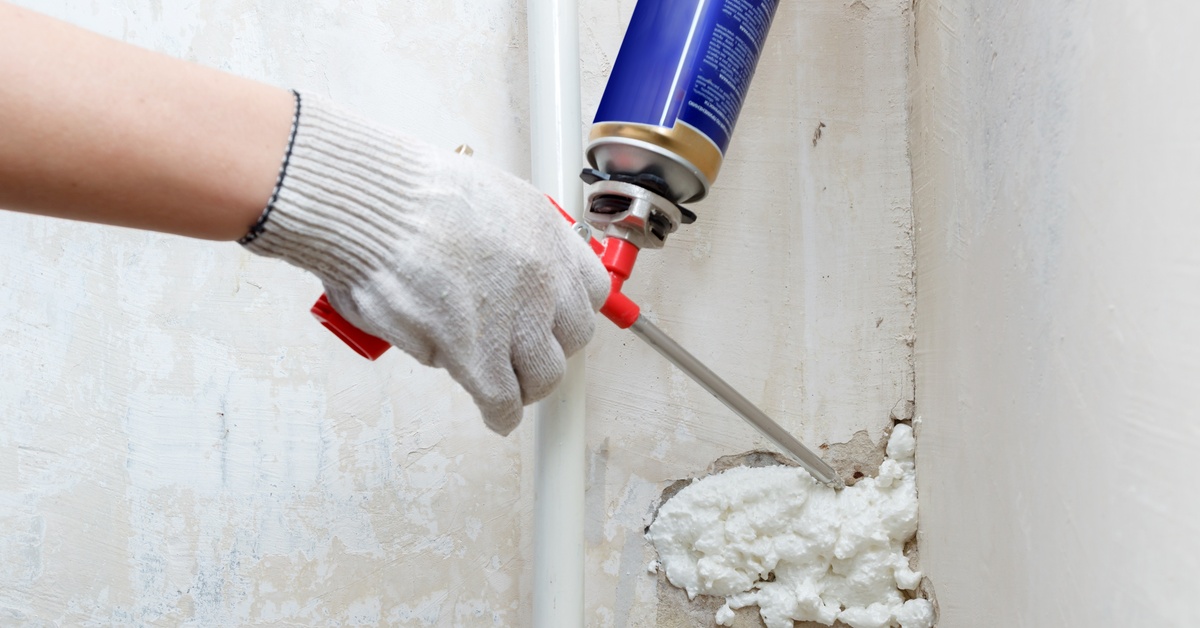
Spray foam insulation can deliver strong energy performance, air sealing, and long-term comfort, but the final result depends on more than the material itself. Contractors must consider the jobsite environment, equipment setup, surface conditions, and application technique before work begins. Understanding factors that influence spray foam installation helps property owners and professionals recognize why preparation and precision matter so much.
Temperature and Jobsite Conditions
Temperature plays a major role in spray foam performance. If the substrate, air, or materials are too cold or too hot, the foam may not expand, adhere, or cure as expected. Humidity can also affect the application process, especially when moisture is present on surfaces. Before spraying, contractors often evaluate indoor and outdoor conditions to determine whether adjustments are needed.
Material temperature is just as important. Spray foam components must move through the system at the right consistency to create an even application. Equipment that supports steady material flow can make a noticeable difference, especially on demanding jobs. For example, heated hose performance in spray foam applications can affect how consistently materials are delivered from the rig to the spray gun.
Surface Preparation
Even high-quality spray foam can fail if the surface is not properly prepared. Dust, oil, loose debris, rust, or moisture can prevent strong adhesion. Contractors may need to clean, dry, or inspect surfaces before applying foam. In retrofit projects, old insulation or damaged materials may need to be removed first.
Surface type also matters. Wood, concrete, metal, and masonry can all respond differently during installation. A skilled installer understands how each material may affect adhesion, thickness, and curing time.
Equipment Calibration
Spray foam installation depends heavily on properly functioning equipment. Proportioners, spray guns, hoses, pumps, and temperature controls all need to work together. If pressure or temperature settings are off, the foam may be applied unevenly or fail to form the intended structure.
Routine maintenance helps reduce downtime and supports better results. Clogged spray guns, worn parts, or inconsistent pressure can create quality issues that may not be obvious until after the foam cures.
Installer Technique
Experience is one of the most important factors that influence spray foam installation. Installers must control spray distance, speed, angle, and pass thickness. Applying too much foam at once can lead to overheating or improper curing, while applying too little may reduce insulation performance.
Good installers also know how to adjust their approach based on the space. Attics, crawl spaces, wall cavities, and commercial structures each require different planning and movement.
Planning for Better Results
Successful spray foam installation starts before the first pass is sprayed. Careful planning helps crews manage ventilation, safety, access, masking, and curing requirements. When jobsite conditions, equipment, and technique are aligned, spray foam is more likely to perform as intended.
By understanding the many variables involved, contractors and property owners can better appreciate why professional preparation is essential. Spray foam may seem straightforward once applied, but the quality of the finished project depends on every decision made before and during installation.