
Future Industrial Automation: Key Technologies To Watch
Industrial automation is rapidly evolving as emerging technologies like AI, IoT, robotics, and edge computing reshape how factories operate and compete.
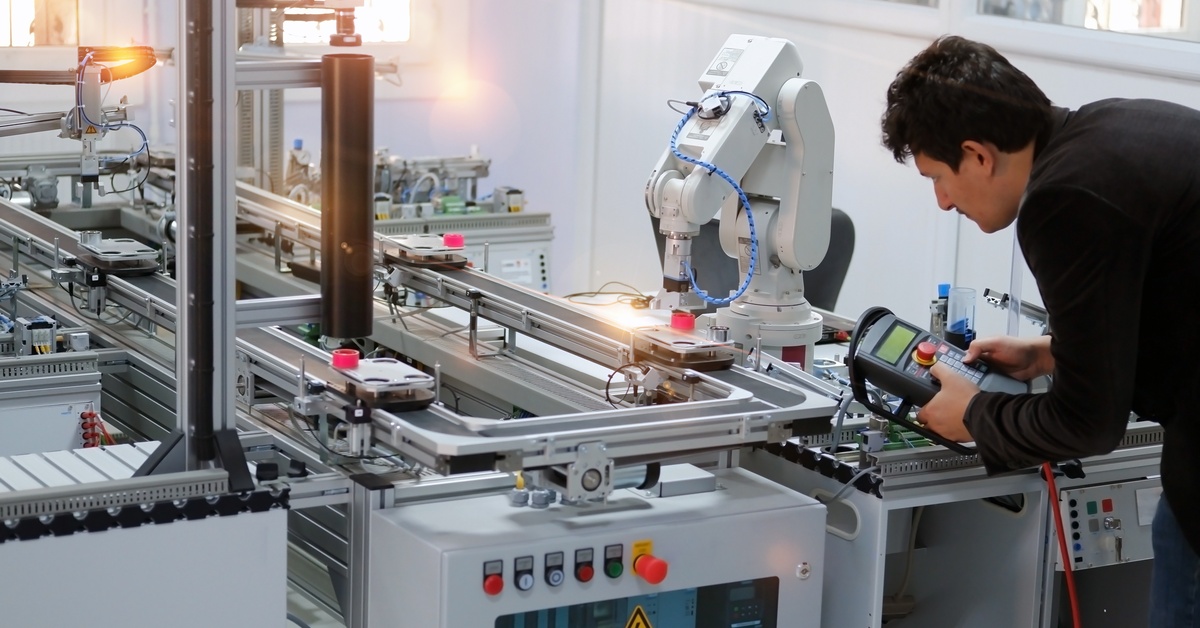
The industrial sector stands on the precipice of a monumental shift driven primarily through advanced technological integration and smarter production methodologies. Factory floors across the globe now embrace sophisticated systems that communicate seamlessly to optimize output and minimize downtime and waste.
Companies that fail to adapt to these rapid advancements risk obsolescence as agile competitors leverage these tools to deliver superior products at lower costs. These key technologies to watch for in industrial automation offer the best path forward for any organization focused on growth.
The Rise of Artificial Intelligence
Artificial intelligence algorithms process vast amounts of sensor data to predict machine failures before they occur and schedule maintenance tasks at the most convenient times. These predictive capabilities allow factory managers to avoid costly unplanned shutdowns that would otherwise disrupt the entire production schedule and delay customer shipments. Machine learning models also analyze historical production trends to optimize current workflows and suggest subtle adjustments that significantly improve overall efficiency.
The Industrial Internet of Things
Sensors embedded within every piece of machinery collect real-time data on temperature, vibration, and energy consumption to provide a comprehensive view of factory health. This constant stream of information flows into centralized dashboards that allow supervisors to monitor operations remotely and make informed decisions instantly. Connectivity between devices ensures that a delay in one section of the assembly line triggers automatic adjustments in downstream processes to prevent bottlenecks.
Collaborative Robotics Integration
Collaborative robots, or cobots, work safely alongside human operators to handle repetitive tasks and allow workers to focus on complex problem-solving activities. This symbiotic relationship enhances workplace safety because these machines possess sensitive sensors that detect human presence and halt movement immediately upon contact. Understanding the differences between gantry robots and traditional robotic arms will help managers select the right tools for specific tasks where precision and payload capacity matter most.
Advanced Vision Systems
Computer vision technology empowers automated systems to inspect products for microscopic defects that human eyes would almost certainly miss during standard quality checks. High-resolution cameras capture images at high speeds to verify that every item meets strict specifications before it leaves the production facility. These visual inspection tools also guide robotic arms to pick and place objects with irregular shapes or random orientations without any need for mechanical fixtures.
Edge Computing Solutions
Edge computing processes data directly at the source of generation rather than sending it to a distant cloud server for analysis and storage. This localized approach reduces latency significantly and ensures that critical safety systems react instantaneously to any anomalies detected during the manufacturing process. Factories that implement edge devices gain a speed advantage that allows them to adjust parameters in real-time based on immediate feedback loops.
The future of industrial automation evolves rapidly as these transformative technologies mature and find their way into everyday manufacturing operations. As these innovations continue to advance, the gap between traditional factories and smart facilities will widen until automation becomes the universal standard.
Read more: