
How Movie Costumes Influence Everyday Fashion
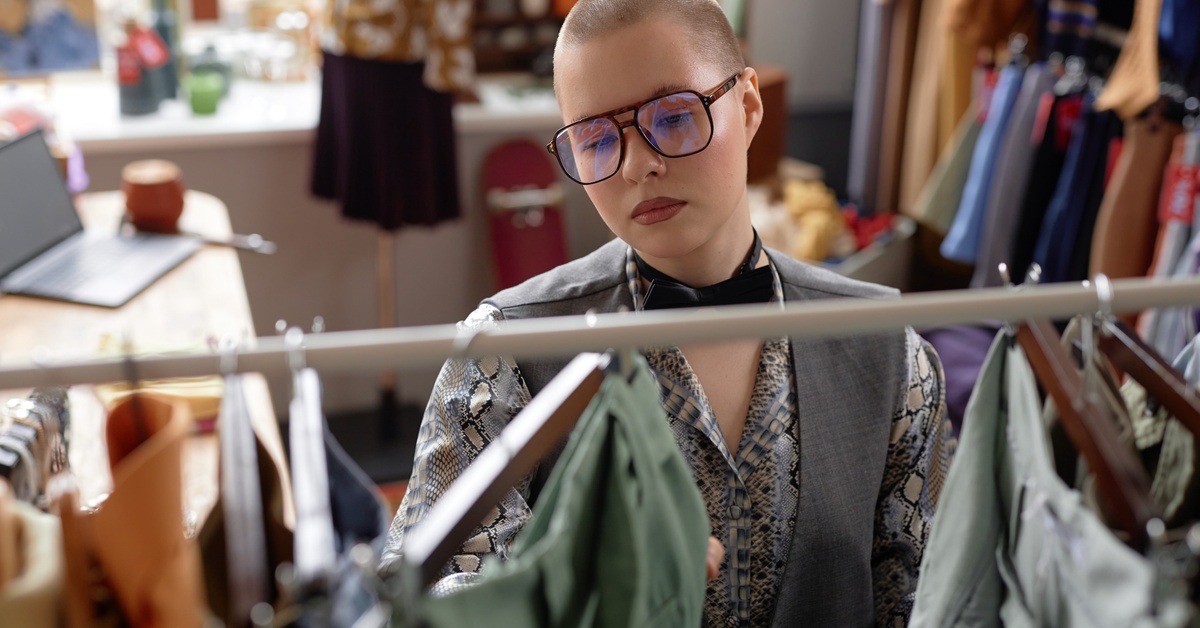
Few movie characters become instantly recognizable without their signature clothing. Whether it is a leather jacket associated with a rebellious lead or an elaborate gown from a period drama, costume choices can leave an impression long after audiences forget individual scenes. Some looks become so closely connected to a character that people recognize them without seeing the actor’s face.
The connection between entertainment and personal style explains how movie costumes influence everyday fashion, particularly when audiences find elements of fictional wardrobes that reflect their own tastes. Clothing that begins as part of a character’s identity can inspire new trends, revive older styles, or change how people view familiar wardrobe pieces.
Costume Design Gives Characters a Visual Identity
Before a character speaks, their clothing can communicate something about their personality or circumstances. Costume designers consider the story’s setting and the character’s experiences when developing a wardrobe, allowing clothing to contribute to the narrative without requiring additional dialogue.
A character who wears carefully tailored suits might project authority, while someone who favors worn denim and oversized jackets could suggest a more relaxed personality. As the story progresses, changes in clothing can reflect shifts in confidence or social position. Audiences may not consciously notice every costume decision, but those details contribute to how they interpret the person on screen.
Why Certain Movie Outfits Become Fashion Trends
Although countless costumes appear in theaters and streaming releases each year, only a small percentage influence what people wear. The looks that gain traction usually combine a recognizable visual identity with elements audiences can imagine wearing themselves.
The popularity of The Matrix, for instance, contributed to the cultural appeal of long black coats and sleek, futuristic styling. Meanwhile, Clueless became closely associated with coordinated plaid outfits and preppy fashion. Both films developed distinctive visual identities that continued attracting attention beyond their original releases.
Social media gives these influences another opportunity to reach audiences. Fashion creators recreate recognizable outfits, reinterpret them with contemporary pieces, or build wardrobes around a particular movie’s aesthetic. A costume that once belonged exclusively to a fictional character can become inspiration for an entirely different personal style.
Western Movies Have Left Their Mark on Fashion
Among the many film genres that have influenced clothing, Westerns offer an especially recognizable visual tradition. Cowboy hats, denim jackets, leather belts, and distinctive boots communicate a particular aesthetic that audiences immediately associate with the American West.
Classic Western films established many of these visual associations, while contemporary productions continue introducing them to new viewers. The genre’s influence extends beyond historical accuracy because costume designers frequently use familiar Western elements to communicate independence or a character’s connection to a particular environment. The cowboy boot styles featured in moviesillustrate how footwear can contribute to a character’s appearance while shaping audiences’ perceptions of Western clothing.
Outside theaters, Western-inspired pieces appear in streetwear and contemporary fashion collections without requiring an entirely cowboy-themed outfit. Someone might pair boots with a modern dress or incorporate a Western belt into an otherwise minimalist wardrobe. These interpretations allow the aesthetic to evolve beyond its original cinematic setting.
Period Films Can Bring Older Styles Back Into Fashion
When filmmakers recreate earlier historical periods, their costume choices can introduce audiences to clothing they might otherwise associate with museums or vintage photographs. Elaborate dresses, structured jackets, and distinctive accessories become part of a visually engaging story, encouraging viewers to reconsider styles from previous generations.
Productions such as The Great Gatsby have renewed interest in the glamorous visual language of the 1920s, particularly decorative details and formal eveningwear. However, people generally do not adopt historical costumes exactly as they appear on screen. A viewer might appreciate the shape of a vintage neckline or the elegance of a particular coat without wanting to recreate an entire period wardrobe. Fashion designers can draw on these details while adjusting materials and proportions to suit contemporary expectations.
Movie Fashion Makes Everyday Clothing Feel Different
Some of the strongest cinematic fashion influences come from ordinary clothing that gains new meaning through its association with a character. A simple white shirt or pair of sunglasses may attract attention because audiences remember who wore it and what the character represented.
Consider the white T-shirt and jeans associated with James Dean in Rebel Without a Cause. Neither garment was particularly unusual, yet the combination became closely connected with youthful rebellion and an effortlessly casual image. The cultural meaning surrounding the outfit made familiar clothing feel distinctive.
Audiences can experience a similar connection with contemporary characters whose wardrobes reflect lifestyles they admire. An oversized blazer might suggest confidence when worn by a favorite character, while a particular jacket can become appealing because of the personality associated with it. People may already own similar clothing, but a memorable movie can encourage them to combine those pieces differently or view them through a new perspective.
Streaming and Social Media Keep Costume Trends Alive
Unlike earlier generations, which primarily encountered movie fashion through theaters and magazines, today’s audiences can revisit favorite costumes almost immediately. Streaming services make older films accessible, while social platforms circulate clips and screenshots that draw attention to specific wardrobe details. A movie does not necessarily need a recent theatrical release to inspire a fashion trend.
Fashion communities contribute to the process by identifying similar clothing and sharing interpretations that suit different budgets. Some recreate outfits closely, while others focus on a single recognizable feature that works with clothing they already own. Movie wardrobes can gain renewed visibility whenever audiences connect with their visual identity, giving costume choices a cultural life beyond the production itself.
Turning Cinematic Inspiration Into Personal Style
Although movie costumes can provide memorable fashion inspiration, translating them into everyday clothing requires some consideration of personal preferences. An outfit designed for a dramatic scene may look impressive on screen without being particularly comfortable or practical in ordinary situations.
Focusing on individual elements makes cinematic inspiration easier to incorporate into an existing wardrobe. Someone drawn to a character’s tailored appearance might experiment with structured outerwear, while another viewer could borrow the color palette associated with a favorite film. These choices allow people to reference cinematic fashion without making their clothing look like a costume.
Personal interpretation matters because fashion inspiration does not require imitation. The most wearable adaptations preserve something appealing about the original costume while allowing the individual to express their own identity.
When Movie Fashion Becomes Part of Everyday Life
The influence of cinematic wardrobes extends beyond copying recognizable outfits because audiences connect clothing with the characters and stories they admire. A familiar jacket can suddenly feel more appealing after appearing in a memorable scene, while an unfamiliar style may become easier to imagine wearing.
Ultimately, how movie costumes influence everyday fashion reflects the relationship between entertainment and personal expression. Films give ordinary clothing new associations and introduce viewers to styles outside their usual preferences. Long after a movie leaves theaters, its wardrobe can continue inspiring the choices people make when getting dressed.