
How To Elevate a Secondhand Luxury Retail Store
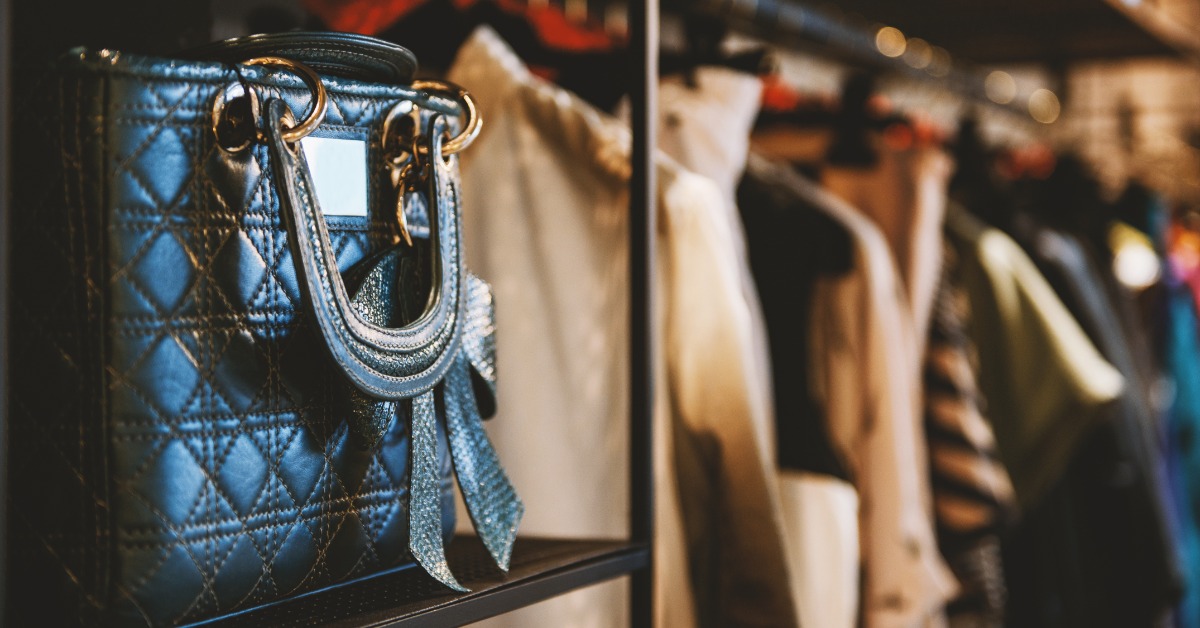
A secondhand luxury retail store needs deliberate standards that reflect the value and character of every designer piece offered for sale. Customers notice presentation, staff expertise, product condition, store atmosphere, and service quality before they decide whether a retailer deserves their trust. Every store detail should support a refined identity that feels deliberate from the entrance through the final customer purchase and departure.
Luxury resale requires a careful approach because each item arrives with its own condition and level of customer interest. Store owners must create an environment that respects these differences without allowing displays or sales methods to feel inconsistent or poorly planned. Learning how to elevate a secondhand luxury retail store can shape each decision and help maintain an elevated standard across physical and digital customer contact.
Define a Clear Store Identity
Start with a visual identity that reflects the type of luxury merchandise your store carries and the customers you want to attract. Select colors and decorative elements that suit the merchandise without competing with the products for attention inside displays. Keep those visual choices consistent across storefront signs, price cards, receipts, product tags, packages, advertisements, and all active digital profiles.
The store voice should sound informed and professional without language that feels exaggerated or disconnected from the actual merchandise on offer. Establish clear standards for product descriptions and staff communication before those materials reach current or prospective customers directly. Review each customer contact point often to confirm that the same store character appears across every physical space and digital retail channel.
Select Merchandise With Clear Standards
Create specific acceptance standards before new merchandise reaches the sales floor because luxury resale depends on careful product selection at every stage. Assess each item according to its condition and market relevance before you assign valuable display space within your store for customer inspection. Decline merchandise that falls outside established standards even when additional inventory could fill an empty shelf or expand the available product count.
Arrange merchandise according to a clear visual plan rather than place products wherever open display space happens to remain throughout the sales floor. Give notable handbags, jewelry, watches, apparel, and footwear enough room for customers to examine each item without nearby products causing visual distraction. Adjust displays at regular intervals based on new arrivals and customer interest instead of allowing the same floor arrangement to remain indefinitely.
Establish a Precise Authentication Process
Develop an authentication process that matches the merchandise categories your store accepts and document each required verification step for consistent staff reference. Record available serial details and other relevant evidence during each product assessment. Keep these records accessible to authorized staff when a customer asks for additional information about a specific luxury item before a purchase.
Train employees to explain authentication procedures with accurate language and avoid unsupported statements when available evidence cannot confirm a particular product detail fully. Staff should state what the store verified and explain any limits without speculation that could create confusion during a customer conversation later. Update internal authentication procedures whenever new product knowledge or counterfeit methods require a more detailed examination.
Upgrade Product Packaging
Treat product packaging as part of the established store standard rather than an unrelated expense that receives attention only at checkout time. Select package dimensions that suit common merchandise categories and prevent valuable products from sitting inside bags that appear oversized or poorly proportioned. The features to incorporate for durable paper bag designs will create a package that suits a refined luxury retail environment.
Choose paper weight and handle construction that can support expected purchases without tears or visible strain during normal customer transport home. Add the store logo with restrained placement and select print details that remain consistent. Test each package format with representative products before purchase orders to confirm that dimensions and construction suit actual merchandise from the store inventory.
Develop Staff Product Expertise
Set clear knowledge expectations for employees based on the designer categories and merchandise types. Staff should study brand histories and product characteristics through reliable resources before they provide detailed information about merchandise on the sales floor. Schedule regular product reviews where employees can examine new arrivals and discuss relevant facts before those pieces receive prominent placement for sale.
Employees should answer questions within their knowledge and seek assistance whenever a customer requests information that requires additional expertise or verification first. Avoid sales scripts that force identical conversations because luxury clients often approach purchases with different levels of familiarity and specific product knowledge already.
Maintain Accurate Digital Product Pages
Photograph each product from angles that show its actual condition and avoid edits that hide wear or alter the appearance of materials. To elevate your secondhand luxury retail store, use consistent image dimensions and backgrounds across the store website to prevent individual listings from appearing disconnected from the established retail identity. Add close photographs of relevant areas when corners, interiors, hardware, labels, closures, or other details deserve direct customer inspection online.
Write product descriptions from verified information and state visible flaws with precise language rather than broad condition terms that customers may interpret differently. Include measurements and relevant accessories when those details apply to the item rather than force one description format across every merchandise category offered.
Personalize Client Communication
Keep customer records only with appropriate consent and record details that staff can use during legitimate future communication about relevant luxury merchandise. Note requested designers or specific pieces when customers directly express interest during a store visit or approved digital conversation. Use those details with restraint instead of sending every customer the same promotional message whenever new merchandise enters the store inventory for sale.
Contact a client when a relevant item becomes available and provide enough information for that customer to decide whether further review makes sense. Offer private appointments when a customer wants additional time to inspect a valuable item without interruption from normal store traffic or other visitors. Respect communication preferences and avoid excessive contact that could make a professional retail relationship feel intrusive or dependent on constant promotional outreach efforts.
Set Prices With Consistent Methods
Create a documented price process for each merchandise category rather than rely on personal impressions when a new item enters store inventory. Review comparable market information and the specific product condition before staff assigns a final resale price. Apply the same internal method across similar items to prevent unexplained price differences that staff cannot address when customers request further information.
Record the reason for unusual price decisions when rarity or documented product details place an item outside typical market expectations for comparable pieces. Train employees to discuss price questions with information rather than defensive language when a customer presents another resale price for comparison purposes.
A secondhand luxury retail store requires discipline across every part of the customer experience, from merchandise intake through presentation and final purchase. Store owners should establish clear standards first and make daily decisions according to those standards rather than react to individual situations inconsistently. This approach keeps attention on the merchandise and creates a retail environment that reflects the expectations associated with valuable designer products.