
How To Know When an Aging Vehicle Needs Extra Attention
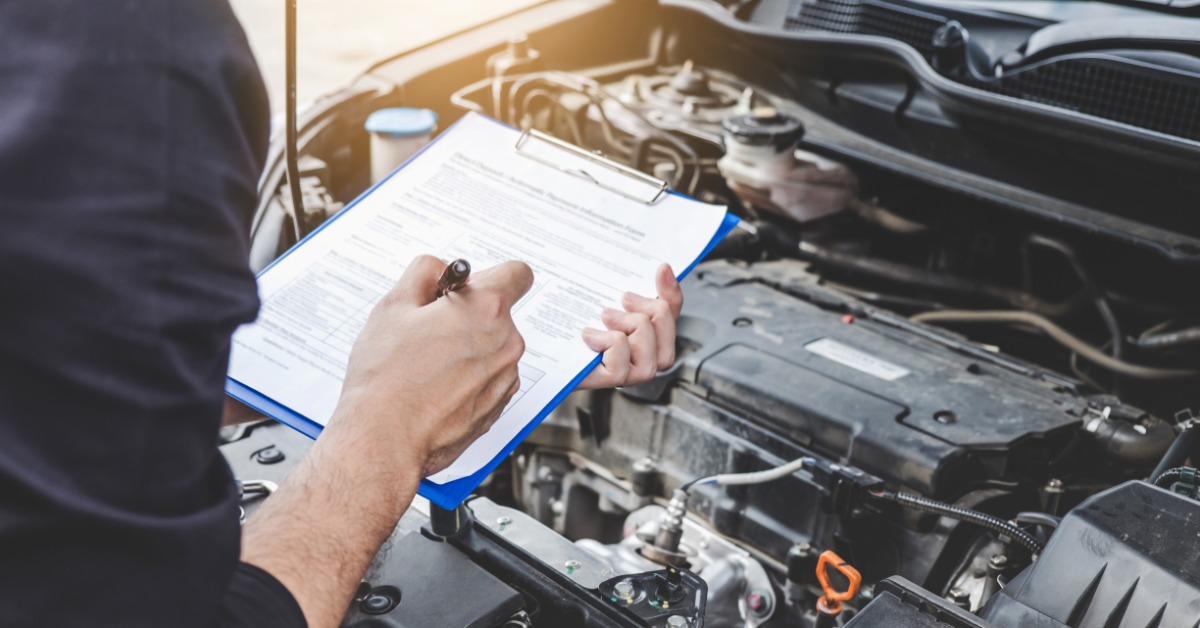
Keeping a vehicle for many years can make financial sense, especially when it has been dependable and properly maintained. But as mileage accumulates and components experience thousands of heating, cooling, vibration, and driving cycles, maintenance becomes less about following a basic schedule and more about watching for changes in how the vehicle behaves.
Learning how to know when an aging vehicle needs extra attention can help drivers address developing problems before they turn into breakdowns, expensive repairs, or safety concerns. An older car does not automatically become unreliable at a particular mileage. Its condition depends on its maintenance history, driving environment, storage conditions, previous repairs, and countless other factors.
Pay Attention to Changes in How the Vehicle Drives
Drivers become familiar with the normal feel of a vehicle after spending years behind the wheel. That familiarity can be one of the best tools for identifying mechanical problems early.
New vibrations, pulling, hesitation, unusual steering behavior, rough shifting, or changes in braking performance deserve attention. Even subtle differences can indicate that something is wearing out. A vibration at highway speeds, for example, might come from tire wear, wheel balance, suspension components, or another issue that should be investigated.
Older vehicles often develop problems gradually. Because the change happens slowly, drivers may adapt without realizing how different the vehicle feels compared with a few years earlier. Periodically paying deliberate attention to steering, acceleration, braking, and ride quality can make those changes easier to recognize.
Take Unfamiliar Noises Seriously
Aging vehicles tend to become noisier, but that does not mean every new sound should be dismissed as normal wear. Squealing, grinding, knocking, clicking, rattling, and humming can all indicate developing mechanical issues.
The circumstances surrounding a noise can provide useful clues. A sound that occurs only while braking may point toward issues with the braking system, while clicking during turns could suggest a problem with the drivetrain or steering component. A humming sound that increases with speed might involve tires or wheel bearings.
Drivers do not need to diagnose every noise themselves. What matters is recognizing that a new or changing sound is worth investigating. Waiting until a faint noise becomes loud can allow a relatively manageable repair to develop into a more complicated one.
Watch for Fluid Leaks and Changing Fluid Levels
Fluids are essential to many vehicle systems, and older seals, hoses, gaskets, and connections become increasingly vulnerable to deterioration. Small leaks are therefore particularly important to monitor as a vehicle ages.
A few drops beneath a parked car might seem insignificant, but recurring spots can signal a problem with engine oil, coolant, transmission fluid, brake fluid, or another system. Even a slow leak can eventually lower fluid levels enough to affect performance or damage components.
Drivers should also pay attention to fluids that require increasingly frequent topping off. If a vehicle suddenly begins consuming more oil or coolant than it once did, determining the reason is more useful than continually adding fluid and ignoring the underlying issue.
Give Tires More Than a Quick Glance
Tires are easy to overlook until they become visibly flat, yet their condition directly affects braking, handling, traction, and overall safety. Older vehicles may also have alignment or suspension wear that causes tires to deteriorate unevenly.
Check tread depth, inflation pressure, sidewalls, and wear patterns regularly. Cracks, bulges, exposed cords, repeated pressure loss, or severe uneven wear should not be ignored.
Previous repairs deserve attention as well. A tire that was repaired after a puncture may continue performing safely for a long time, but not every damaged or previously repaired tire should remain in service indefinitely. Understanding when a tire repair is no longer safe can help drivers recognize situations where replacement may be the more appropriate option.
Tires should be evaluated as part of the vehicle’s overall condition rather than treated as an isolated maintenance item.
Monitor Braking Performance Closely
Brake components naturally wear with use, making changes in braking behavior especially important on high-mileage vehicles. Longer stopping distances, unusual pedal feel, vibration, squealing, grinding, or pulling while braking can all warrant inspection.
Some braking problems develop so gradually that they are difficult to notice. A driver may unconsciously begin pressing the pedal harder or braking earlier to compensate.
Regular inspections become increasingly valuable as vehicles age because technicians can identify worn pads, damaged rotors, deteriorating hoses, fluid problems, and other issues before they significantly affect braking performance. With a safety-critical system, waiting for dramatic symptoms is rarely a good maintenance strategy.
Look Beyond the Engine
Engine maintenance receives considerable attention, but many age-related vehicle problems develop elsewhere. Suspension bushings, shocks, struts, wheel bearings, steering components, engine mounts, belts, hoses, electrical connections, and exhaust components can all deteriorate over time.
These parts may not trigger a dashboard warning light when they begin wearing out. Instead, drivers might notice clunks over bumps, excessive bouncing, vague steering, uneven tire wear, rattling underneath the vehicle, or increased vibration.
Rubber and plastic components deserve particular consideration because age itself can affect them. A vehicle with relatively low mileage may still develop cracked hoses, hardened seals, or deteriorated bushings simply because the materials have been exposed to years of temperature changes and environmental conditions.
Do Not Ignore Dashboard Warning Lights
Modern vehicles continuously monitor numerous systems, and dashboard lights provide an early warning when something falls outside expected parameters. Ignoring those alerts can turn a manageable problem into a more expensive repair.
Not every warning light means the vehicle must immediately stop moving, but drivers should understand what each indicator means and how urgently it needs attention. A check-engine light, charging-system warning, oil-pressure light, brake warning, or temperature warning can represent very different levels of urgency.
An older vehicle may occasionally illuminate a warning because of a relatively minor sensor problem, but assuming every warning is just a sensor is risky. Proper diagnosis is the only reliable way to determine the cause.
Schedule More Comprehensive Inspections as the Car Ages
Routine oil changes remain important, but an aging vehicle can benefit from inspections that look beyond immediate service needs. A broader evaluation may reveal worn suspension parts, developing leaks, deteriorating hoses, corrosion, tire issues, or other problems that are not yet obvious from the driver’s seat.
This is where understanding how to know when an aging vehicle needs extra attention becomes especially useful. The goal is not to assume that every old component needs replacement. It is to identify changes early enough to make thoughtful decisions instead of reacting to emergencies.
A well-maintained older vehicle can remain dependable far beyond the mileage at which many drivers expect trouble. Paying attention to changing behavior, keeping accurate maintenance records, inspecting safety-critical components, and addressing warning signs promptly can help extend its useful life while reducing the chances of being surprised by a preventable breakdown.