
Important Things to Learn as a Beginner Jet Skier
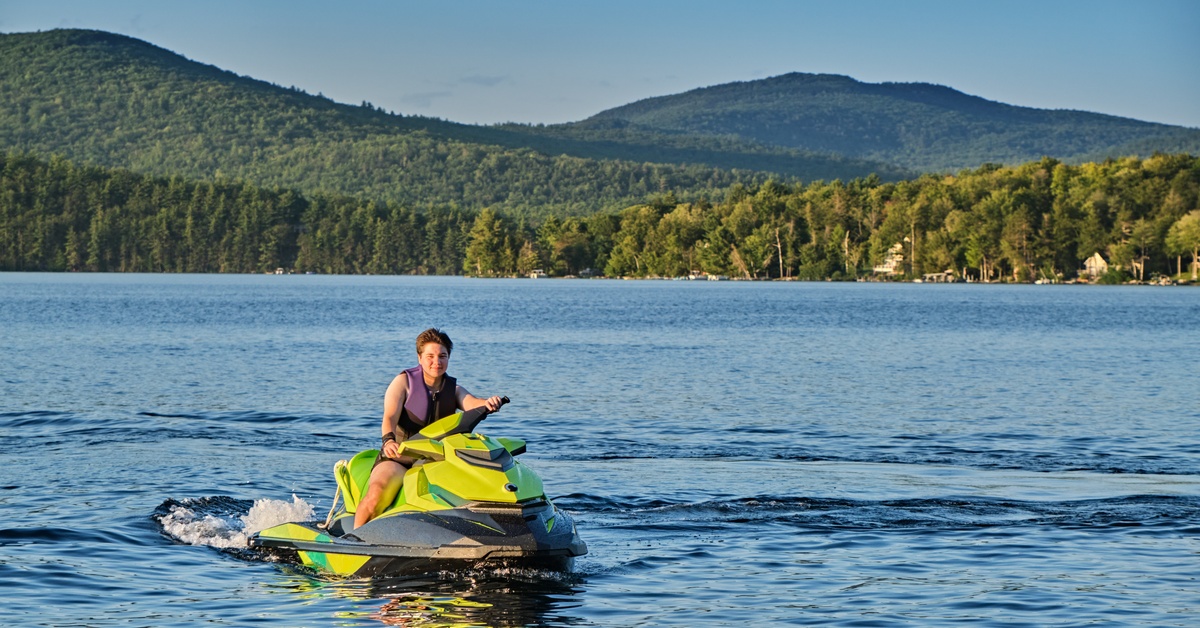
Jet skiing looks simple from the shore. You hop on, hit the throttle, and fly across the water like an action movie extra. In reality, jet skis demand respect, awareness, and a little education before you go full send. Beginners who take time to learn the basics enjoy the ride more, avoid accidents, and look way less chaotic doing it. These are the most important things to learn as a beginner jet skier before you cruise the water.
Understand How Steering Really Works
Jet skis don’t steer like cars. They rely on thrust to change direction, which means turning only works when you apply power. If you let go of the throttle, steering response drops fast.
Many beginners panic and release the throttle when something unexpected happens. That reaction removes your ability to turn away from trouble. Practice controlled turns at low speeds so that you learn how throttle and steering work together.
Learn The Rules of the Water
Waterways have rules just like roads. Ignoring them puts everyone at risk. Speed limits, no-wake zones, and right-of-way rules exist to keep chaos under control.
Always maintain a safe distance from other riders, swimmers, and boats. Avoid weaving through traffic or riding too close to shorelines. Authorities enforce these rules, and fines stack up quickly when riders ignore them.
Master Throttle Control Before Speed
Speed feels exciting, but control matters more. Smooth acceleration and gradual deceleration keep you stable and predictable. Jerky throttle use throws off balance and increases the chance of falling or colliding.
Practice maintaining steady speeds and making controlled turns. Learn how your jet ski handles in calm water before dealing with waves or busy areas. Mastery starts with restraint, not adrenaline.
Know How Stopping Actually Works
Stopping on a jet ski takes more distance than many beginners expect. Water resistance helps, but momentum still carries you forward. Modern models use jet ski braking systems that assist with deceleration, but they don’t work like car brakes
You still need space, awareness, and anticipation. Always slow down early when approaching docks, boats, or shorelines. You can prevent a lot of panic and last-second mistakes when you understand stopping distance.
Dress For Safety, Not Just Style
Jet skiing looks cool, but safety gear matters more than aesthetics. A properly fitted life jacket stays mandatory, regardless of swimming ability. Gloves improve grip and reduce hand fatigue. Eye protection shields against wind, spray, and debris.
Footwear also helps. Sharp shells, docks, and ramps don’t care how tough your feet feel. Smart gear keeps minor accidents from turning into ride-ending injuries.
Respect Weather and Water Conditions
Water conditions change quickly. Wind, waves, and boat traffic transform calm water into a challenge in minutes. Beginners should avoid riding in rough conditions until they gain experience.
Check weather forecasts before heading out. Watch for increasing wind or dark clouds. If conditions feel uncomfortable, trust that instinct and head back. Smart riders know when to call it early.
Practice Courtesy on the Water
Jet skiing isn’t a solo activity, even when riding alone. Noise, speed, and spray affect everyone nearby. Avoid buzzing swimmers, wildlife, or anchored boats.
Courtesy keeps waterways open to riders and reduces complaints that lead to stricter regulations. A respectful rider builds a better reputation for the entire community.
Beginner jet skiers who respect their machine, the water, and the rules enjoy smoother rides and fewer close calls. Master the fundamentals first, and the fun follows naturally.