
Safety Tips for Making Electrical Repairs in Cars
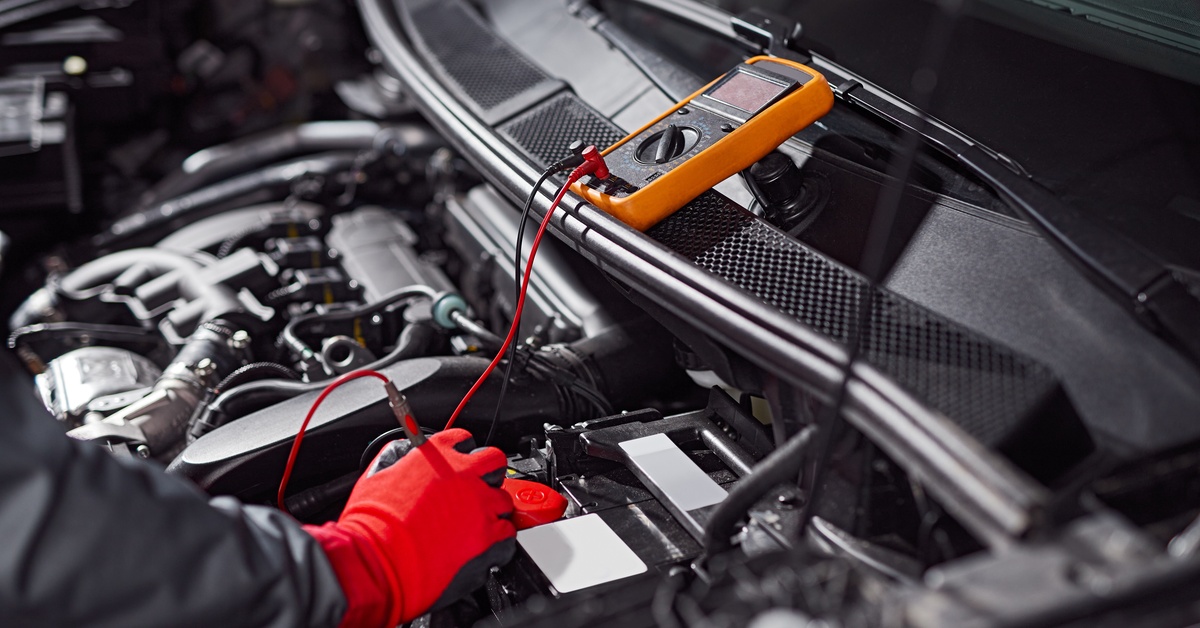
Electrical repairs call for patience, good habits, and the right parts. A careful approach from the first step gives every repair a better chance for long-term success. Rely on these safety tips for making electrical repairs in cars so you can effectively perform DIY task today.
Disconnect the Battery Before Any Repair
Remove the negative battery cable before you touch any electrical circuit. That single step lowers the chance of accidental shorts or sparks. Modern vehicles contain sensitive electronics, and a loose tool can create expensive damage in seconds. Take a minute to disconnect power before you reach for any connector or wire.
Use the Right Tools for the Job
Household tools rarely belong near automotive wiring. Wire strippers, crimp tools, and digital multimeters give cleaner results and help protect delicate terminals. For example, a proper crimp tool creates a secure connection without crushing the terminal. Better equipment also saves time since every connection will fit as originally intended.
Inspect Every Wire Before Repairs
Take a close look at each wire before any replacement starts. Cracked insulation, corrosion, melted plastic, and loose terminals point toward trouble beyond the visible damage. A fresh connector won’t solve a hidden issue farther down the harness. A complete inspection gives you a clear picture before any repair begins. Learn how to identify wire colors in 7-cavity car connectors to ensure you navigate your inspections accurately.
Keep Moisture Away From Electrical Connections
Water and corrosion create plenty of electrical headaches. Dry every connector before installation, and replace damaged seals that no longer protect the connection. Dirt and road salt deserve attention as well since both can shorten the life of electrical components. A clean connection delivers better reliability long after the repair ends.
Double-Check Every Connection
An easy safety tip for making electrical repairs in cars is to double-check connections. Take time to verify that each terminal sits in the correct cavity before reconnecting the battery. Tug lightly on every wire to confirm a secure fit. Loose terminals create intermittent electrical problems that take hours to trace later. A quick inspection now saves frustration after the vehicle returns to service.
Safe repair habits protect both you and the vehicle. Careful preparation, quality automotive connectors, and attention to detail lead to dependable electrical repairs that hold up over time. Browse the available connector selection before your next repair and give every electrical project a solid start.