
Making Your Off-Road Camping Experience Unforgettable
An unforgettable off-road camping trip combines smart preparation with the freedom to enjoy the unexpected. From choosing the right campsite and preparing your vehicle to managing cargo, water, meals, and changing weather, thoughtful planning can make remote travel safer, more comfortable, and more rewarding.
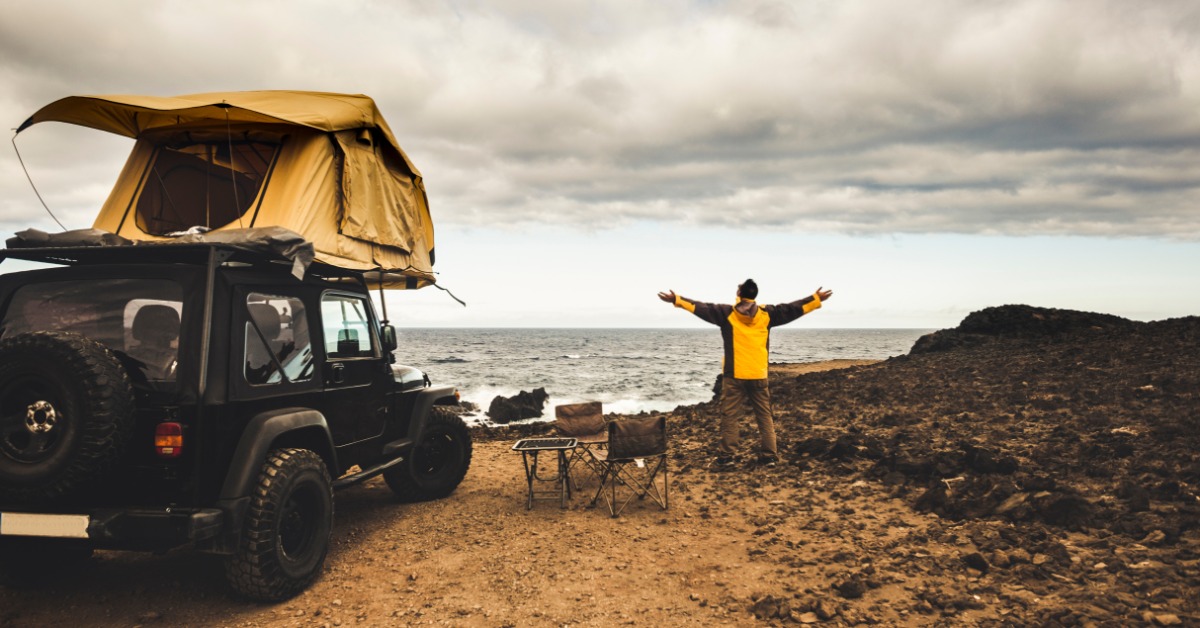
Off-road camp adventures open the door to places that ordinary road trips rarely reach. Beyond paved routes, familiar surroundings disappear as remote landscapes create a stronger sense of freedom and personal connection with nature. That freedom feels even more rewarding when thoughtful preparation supports the journey without turning every hour into a strict schedule.
A memorable trip does not depend on expensive equipment or an elaborate camp. It develops through smart choices that make remote travel feel comfortable, practical, and purposeful from departure until the final mile home. Learning how to make your off-road camping experience unforgettable will help you embrace special moments without allowing minor problems to control the entire trip.
Choose the Right Campsite
A campsite should feel like part of the destination rather than a place chosen only because daylight has started to disappear. Look at the character of the surrounding terrain and consider how the location may feel once the vehicle stops and camp takes shape. A peaceful site can turn an ordinary evening into one of the most memorable parts of the entire route.
Give the landscape enough respect to influence where camp begins. Durable ground usually offers a better base without unnecessary disturbance to fragile areas, and adequate distance from other travelers can preserve the remote atmosphere everyone came to enjoy. The right site creates an immediate sense of arrival without demanding an elaborate setup.
Build Confidence in Your Vehicle
Remote terrain can expose weaknesses that remain unnoticed during ordinary road use. A vehicle that feels dependable around town may face very different demands once deep ruts, loose surfaces, steep routes, or sharp rocks replace smooth pavement. Preparation should begin well before the tires reach the first remote trail.
Knowledge matters just as much as equipment when conditions become difficult. Drivers who understand vehicle limits can make calmer choices about obstacles instead of relying on confidence alone. That awareness helps preserve the vehicle and keeps a challenging route from becoming an unnecessary test of mechanical limits. Following a few tips for safe and confident off-road driving can also help you approach unfamiliar terrain with better preparation and control.
Create a Spacious and Comfortable Camp Setup
Limited cargo space should influence how each piece of camp equipment earns its place inside or above the vehicle. A roof tent moves the sleep area away from valuable interior space and creates more freedom for a practical setup without excess clutter. With these space saving tips for packing with a roof tent you can create a camp that feels open rather than crowded.
That extra sense of space can also transform the sleep area into a genuine retreat after hours across remote terrain. A comfortable mattress and thoughtful shelter setup can make rest feel restorative without requiring bulky equipment that overwhelms available cargo room. When comfort and efficient use of space work together, the vehicle becomes an inviting base where each night feels like part of the adventure.
Give Camp Meals More Character
Food often becomes part of the memory attached to a remote place. A simple meal can feel remarkable when it follows a full day across dusty trails and arrives beside a quiet view far from restaurants. Camp food deserves enough thought to feel enjoyable without turning dinner into a complicated project.
The atmosphere can matter more than the recipe itself. A relaxed meal beside the vehicle creates time for conversation and gives everyone a chance to appreciate where the route has led. When food preparation remains manageable, attention stays on the experience rather than a pile of camp chores.
Treat Water as Part of the Travel Plan
Remote country can make water feel more valuable with every mile between the vehicle and the nearest reliable service. The amount available should reflect the demands of the route rather than assumptions based on ordinary travel. Extra distance or a delayed return can quickly change what seemed adequate at departure.
Storage deserves equal attention because water occupies substantial space and adds considerable vehicle weight. A thoughtful setup keeps the supply secure without allowing containers to interfere with equipment access or vehicle balance. Careful use also protects the reserve if the journey lasts longer than expected.
Let the Landscape Shape Your Camp Habits
Off-road access provides a rare opportunity to experience wild places with very little separation from the landscape. That privilege carries responsibility because careless camp habits can leave marks that remain long after the vehicle departs. A memorable adventure should never require damage to the place that made it special.
Travel with the goal of leaving little evidence behind. Existing routes and durable campsites help concentrate impact where previous use has already occurred, allowing more sensitive areas to remain undisturbed. Respect creates a better experience because the surrounding landscape retains the natural character that drew travelers there in the first place.
Stay Ready When the Weather Changes
Weather can give a remote adventure dramatic character, but it can also change the mood of a campsite within minutes. Clear skies at arrival do not guarantee comfortable conditions later, especially across exposed deserts or high country. Preparation makes those changes easier to handle without turning every dark cloud into a reason for concern. Packing the right camping supplies becomes especially important during fall trips, when temperatures and weather conditions can change quickly.
The campsite itself can provide valuable protection when chosen with weather in mind. Natural terrain may offer useful shelter from harsh conditions, though vulnerable low areas can create different risks when storms arrive. Awareness allows travelers to adapt with confidence and preserve the enjoyment of the trip despite an unexpected shift outside.
Leave Enough Freedom for the Unexpected
An off-road route benefits from a plan, but the schedule should never become more important than the experience itself. Remote travel rarely follows exact expectations because terrain can alter travel time and an unexpected location may deserve a much longer stop. Flexibility gives those surprises room to become part of the adventure.
Some destinations become unforgettable precisely because they were never part of the original plan. A slower pace creates space to notice places that might disappear through the window during a rushed journey. When travelers allow the route to evolve naturally, the adventure develops a character that no strict itinerary could reproduce.
Creating an unforgettable off-road camping experience develops from the relationship between preparation and freedom. Thoughtful choices make remote travel easier without removing the unpredictable character that gives an adventure its appeal. The objective is not perfection but a setup that lets travelers spend less time dealing with avoidable problems and more time appreciating where the road leads.
The strongest memories may come from a quiet campsite, a remarkable view, or a peaceful evening under an open sky. Those moments become more accessible when preparation supports the journey without dominating it. With the right approach, an off-road camp trip becomes more than an escape from paved roads; it becomes an experience worth remembering long after the dust settles.