
Reasons To Take Workplace Safety More Seriously
Workplace safety is about more than following rules or wearing protective equipment. A strong safety culture can prevent injuries, reduce costly disruptions, improve employee confidence, and support long-term business success. From regular training and equipment inspections to open communication and accountability, everyday safety decisions can make a lasting difference.
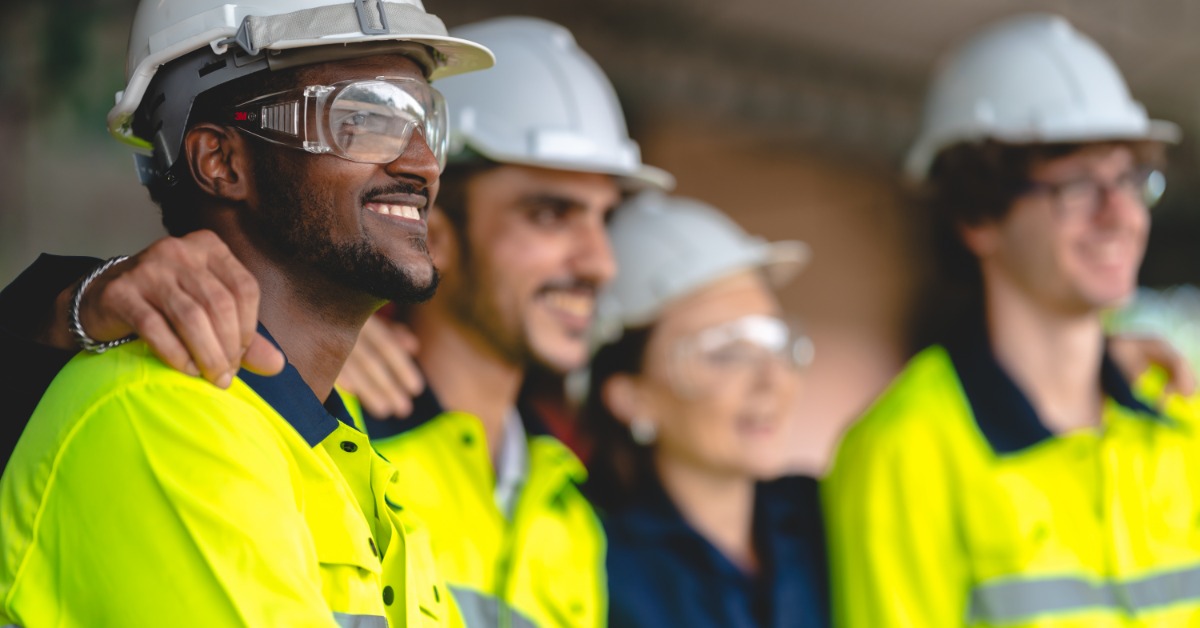
Every workplace comes with its own set of risks, whether employees work in construction, manufacturing, healthcare, retail, or an office. Many people focus on getting the job done quickly, but they often overlook small hazards that can lead to serious accidents. Workplace safety deserves consistent attention because it protects employees, supports productivity, and helps businesses avoid unnecessary costs. When employers and workers make safety a daily priority, everyone benefits from a healthier, more efficient work environment.
Workplace Injuries Can Affect Every Part of a Business
A workplace injury rarely impacts just one person. An accident can disrupt schedules, reduce productivity, increase expenses, and lower employee morale. Team members often need to cover additional responsibilities while an injured coworker recovers, which creates extra pressure across the workplace.
Businesses also face financial challenges after workplace accidents. Medical expenses, workers’ compensation claims, equipment repairs, legal issues, and lost productivity can quickly add up. Even one preventable injury can create lasting consequences for a company’s operations and reputation.
Taking workplace safety seriously helps organizations reduce these risks before they grow into larger problems.
Employees Feel More Confident in a Safe Workplace
People perform better when they know their employer values their health and well-being. A safe workplace shows employees that management cares about more than meeting deadlines or increasing profits.
Workers who feel secure on the job often demonstrate higher confidence, stronger engagement, and better teamwork. They spend less time worrying about hazards and more time focusing on quality work. A positive safety culture also encourages employees to report concerns without fear, allowing businesses to address problems before someone gets hurt.
Strong communication between leadership and employees strengthens safety efforts and builds trust throughout the organization.
Prevention Costs Less Than Recovery
Many workplace accidents happen because someone ignored a small issue until it became a major hazard. A loose handrail, damaged equipment, blocked emergency exit, or missing warning sign may seem minor at first, but those problems can quickly cause serious injuries.
Preventive safety measures often require less time and money than dealing with the aftermath of an accident. Businesses that inspect equipment regularly, maintain clean workspaces, and train employees consistently usually experience fewer costly incidents. Businesses with more demanding work environments can also take additional steps to improve industrial safety and reduce everyday hazards.
Simple preventive actions include:
- Keeping walkways free of clutter.
- Inspecting tools and machinery before use.
- Repairing damaged equipment immediately.
- Posting clear safety signs.
- Encouraging employees to report hazards quickly.
- Reviewing emergency procedures on a regular schedule.
Small improvements made consistently can prevent major accidents in the future.
Safety Means More Than Following Basic Rules
Many people associate workplace safety with hard hats, gloves, or safety glasses. While protective equipment plays an important role, effective safety programs involve much more than just wearing PPE. Companies should create clear procedures, provide ongoing training, maintain equipment, and encourage employees to stay alert throughout every shift.
Workers should understand why each safety rule exists instead of simply following instructions without thinking. When employees recognize potential hazards and know how to respond, they make smarter decisions during everyday tasks.
Safety becomes part of the workplace culture when everyone participates instead of relying solely on management.
Training Helps Employees Make Better Decisions
Even experienced employees benefit from regular safety training. Over time, workers may develop shortcuts or overlook familiar hazards because daily routines feel comfortable. Refresher training reminds employees to stay focused and reinforces safe habits.
Effective training covers both routine responsibilities and unexpected situations. Employees should know how to react if equipment fails, someone suffers an injury, or an emergency requires evacuation.
Training should include practical demonstrations, opportunities for questions, and realistic examples. People often remember hands-on experiences better than lengthy presentations.
Employers should also update training whenever they introduce new equipment, processes, or workplace policies. Continuous learning helps employees stay prepared for changing conditions. This becomes especially important in fast-moving environments, where strategies to increase warehouse employee safety can help teams manage equipment, traffic, and other workplace risks.
A Strong Safety Culture Encourages Accountability
Safety works best when everyone accepts responsibility. Managers, supervisors, and employees all contribute to a safer workplace through their daily actions.
Leaders set the example by following safety procedures themselves. Employees notice when supervisors ignore rules, and they often copy that behavior. On the other hand, leaders who consistently practice safe habits encourage others to do the same.
Employees also play an important role by speaking up when they notice hazards. Reporting unsafe conditions should become a normal part of daily work instead of something people avoid out of fear or inconvenience.
When everyone shares responsibility, safety becomes part of the organization’s identity instead of another workplace requirement.
Safety Supports Long-Term Business Success
Businesses often focus on growth, customer satisfaction, and profitability, but workplace safety directly influences each of those goals. Healthy employees miss fewer workdays, complete projects more efficiently, and maintain higher levels of productivity.
Customers and clients also appreciate companies that demonstrate professionalism and responsibility. A strong safety record reflects careful planning, dependable leadership, and attention to detail. These qualities build trust with customers, business partners, and potential employees.
Organizations with effective safety programs often experience lower turnover because employees prefer working in environments where they feel respected and protected.
Investing in safety today creates long-term benefits that extend far beyond accident prevention.
Workplace Safety Continues to Evolve
New technology, updated regulations, and changing work environments constantly reshape workplace safety expectations. Employers cannot rely on outdated procedures if they want to protect their teams effectively.
Many businesses now use digital inspection tools, wearable technology, automated monitoring systems, and online training platforms to improve safety performance. These resources help identify risks earlier and encourage faster responses when issues appear.
Remote work also introduces new safety considerations. Employers should educate remote employees about proper workstation setup, ergonomics, electrical safety, and healthy work habits to reduce injuries outside traditional office settings.
Businesses that stay informed about evolving safety practices position themselves to adapt quickly and protect employees under changing conditions.
Every Small Safety Decision Matters
Major accidents rarely happen without warning signs. Small decisions made throughout the workday often determine whether employees remain safe or face unnecessary risks. Choosing to clean a spill immediately, inspect equipment before use, wear appropriate protective gear, or report a damaged ladder can prevent serious injuries.
Safety should never become an afterthought or something people discuss only after an accident occurs. Consistent attention to safe practices creates better habits, stronger teams, and healthier workplaces.
When businesses encourage open communication, provide quality training, maintain equipment, and support employee involvement, they create an environment where safety becomes part of everyday operations. Taking workplace safety more seriously protects people, strengthens organizations, and helps everyone return home safely at the end of each workday.