
The Dos and Don’ts of Planning an Outdoor Wedding
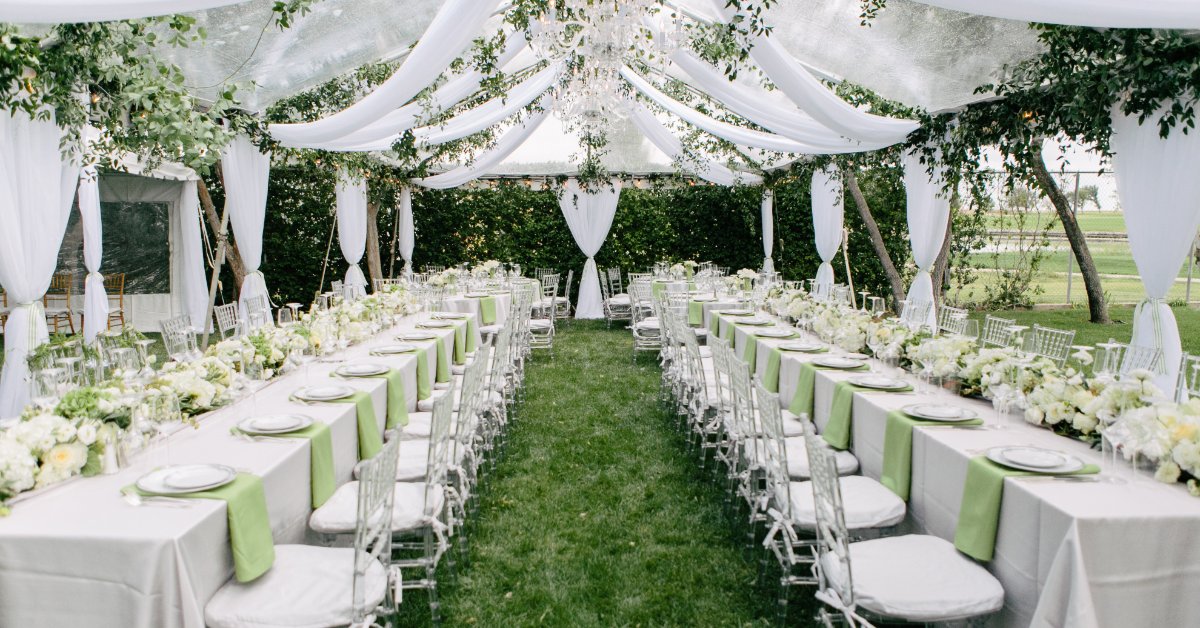
Outdoor weddings bring fresh air, natural scenery, and a built-in sense of occasion. They also come with a few logistical challenges that indoor venues usually handle behind the scenes. From weather shifts to sound setup, the best outdoor celebrations balance style with practical planning. Keep reading to understand the dos and don’ts of planning an outdoor wedding.
Do Build a Weather Plan Early
Sunshine may be the goal, but smart couples plan for rain, wind, heat, and chilly evening temperatures. A tent, covered pavilion, or nearby indoor space gives everyone peace of mind before the forecast becomes a last-minute stressor.
Timing also matters. Midday ceremonies can feel harsh in direct sun, while sunset weddings may need extra lighting and blankets. Think through the full guest experience from arrival to the final song.
Don’t Forget Guest Comfort
A gorgeous view will not distract guests from being too hot, too cold, too thirsty, or too far from basic amenities. Comfortable seating, shaded areas, hydration stations, and clear walking paths make a major difference.
Restroom access deserves the same attention as flowers or music. Restroom trailers are a must for outdoor weddings because they provide a much more sanitary and inconspicuous solution for outdoor weddings than a couple of portable restrooms.
Do Think Through the Layout
Outdoor venues need a flow that feels natural. Guests should know where to park, where to enter, where to sit, and where to go after the ceremony. Clear signage helps, especially when the event spans a lawn, garden, beach, or estate.
Connect the ceremony, cocktail hour, dinner, and dancing without making people wander too far. Vendors also need enough room to load in, set up, and move discreetly during the event.
Don’t Underestimate Sound and Lighting
Nature creates atmosphere, but it can also compete with vows, speeches, and music. Wind, traffic, waves, birds, and wide-open space can make sound harder to control. A microphone, speakers, and a quick sound check can save the ceremony from awkward audio issues.
Lighting deserves equal attention. String lights, lanterns, pathway lights, and spotlighting around food or bar areas help guests move safely and keep the party feeling intentional after dark.
Do Match the Menu to the Setting
Outdoor weddings call for food and drinks that fit the temperature, location, and service style. Heavy dishes may feel out of place on a hot afternoon, while delicate desserts can suffer in direct sun.
Ask caterers how they plan to keep food fresh, drinks cold, and service moving. A strong catering plan supports the mood of the day while keeping guests comfortable and energized.
Don’t Skip Vendor Communication
Outdoor events require teamwork. The rental company, florist, caterer, DJ, photographer, planner, and venue contact all need the same timeline, setup map, and backup plan. Share details early, including power access, parking rules, delivery windows, weather plans, and cleanup expectations.
Conclusion
Now that you understand the dos and don’ts of planning an outdoor wedding, you’re ready to put the ceremony and reception of your dreams! With enough care and logistical planning, you and your guests will enjoy your wedding and make memories to last a lifetime.