
The Science and Risks Behind Getting a Tattoo
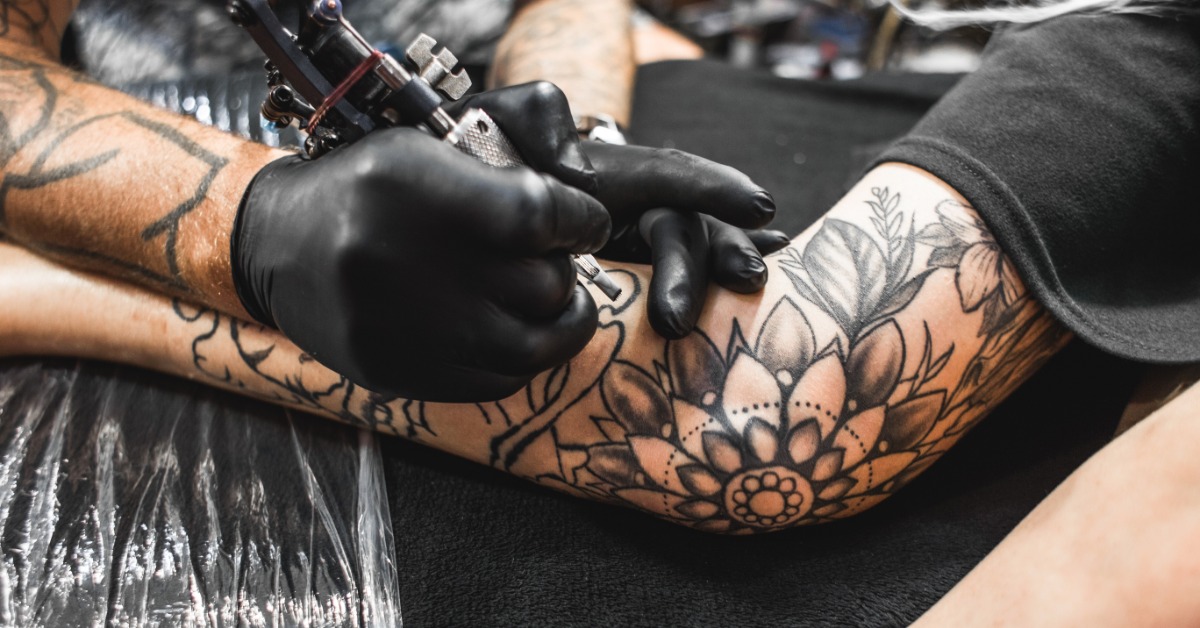
A tattoo may look like artwork placed across the skin, but beneath that design sits a complex biological response. Each pass of the tattoo needle creates tiny wounds and places pigment below the skin surface. Your body immediately recognizes the tissue damage and responds.
The process depends on controlled skin trauma. Tattoo needles must reach deep enough for pigment to remain visible without causing needless harm to deeper tissue. Artist skill plays an important role because depth, pressure, sanitation, and technique can influence skin recovery and the final result.
Permanent body art comes with genuine health concerns. Infection and exposure to bloodborne disease can occur when sanitation or skin care falls short. A clear view of the science and risks behind getting a tattoo can help you approach the process with realistic expectations.
What Happens When a Tattoo Needle Enters Skin
Human skin has several layers that protect internal tissue from outside threats. During a tattoo, needles pass through the outer epidermis and deposit pigment into the deeper dermis. This placement gives a tattoo its permanence.
The epidermis constantly replaces old cells, so pigment left near the surface would gradually disappear as those cells shed. Dermal tissue remains much more stable and can retain pigment for years. An artist must control needle depth with care to reach this layer without excess trauma.
Why Tattoo Ink Can Stay Visible for Decades
Tattoo pigment does not simply sit untouched beneath your skin. Once pigment enters the dermis, immune cells called macrophages respond because they recognize those particles as foreign material. Some of these cells consume pigment and remain in the tattoo area.
Other particles remain within dermal tissue because the body cannot easily clear them. This combination helps preserve the tattoo’s visible appearance as surface skin renews itself. Color may still fade as age, immune activity, and sun exposure gradually alter pigment.
Your Immune System Reacts to the Tattoo
The body treats every needle puncture as a small injury. Blood vessels near the tattoo site respond to tissue damage, and immune cells arrive to protect the exposed area. Mild redness and tenderness can result from this natural response.
Inflammation also supports tissue repair after the tattoo session ends. The response should gradually settle as the skin starts to recover. Pain or redness that becomes more severe deserves attention because those changes may point toward a complication.
Understanding the Normal Recovery Process
A fresh tattoo can feel tender and appear red soon after the artist completes the design. Small amounts of blood, clear fluid, or excess pigment may also leave the area. These reactions often decrease as the skin starts to repair itself.
Learning what to expect from normal tattoo healing will help you notice when a skin response seems outside the expected recovery pattern. Dry skin and light flakes may appear as damaged surface cells leave the area. Resist the urge to scratch because fresh trauma can interfere with tissue repair.
How Infection Can Develop After a Tattoo
A healthy skin barrier protects internal tissue from many harmful organisms. Tattoo needles temporarily break that defense and create numerous small entry points across the treated area. Bacteria can reach vulnerable tissue through those openings.
Poor sanitation increases this danger substantially. Contaminated equipment, unsafe pigment practices, or dirty hands can expose fresh skin to harmful microbes. An infection may become more painful over time and can require prompt medical care if symptoms continue to advance.
Why Some People React to Tattoo Pigments
Tattoo pigments contain substances that can interact with the immune system in different ways. Most people never develop a major reaction, but certain individuals may respond to specific pigment ingredients. A reaction can remain limited to one color within a larger tattoo.
Symptoms do not always appear immediately. Skin may develop persistent itch or raised areas months after the tattoo session. A dermatologist can evaluate unusual changes and determine whether an immune response or another skin problem may exist.
Tattoo Trauma Can Leave Permanent Scars
Tattoo needles need enough depth to place pigment within the dermis. If they travel too deep or repeatedly damage one area, tissue may experience more trauma than necessary. The body’s repair response can then produce visible scar tissue.
Some people also have a greater tendency to develop keloids after skin injuries. These raised scars can extend beyond the original damaged area and change the appearance of tattooed skin. Previous keloids deserve medical discussion before another deliberate skin injury.
Unsafe Equipment Can Transmit Disease
Needles that contact blood require strict controls because contaminated equipment can carry harmful pathogens between people. Reuse without proper sterilization creates an unnecessary path for disease transmission. Professional tattoo studios should treat every client with consistent sanitation standards.
Clean technique extends beyond the needle itself. Work surfaces, and equipment that contacts exposed skin all require proper attention. A reputable artist should take health protection seriously throughout every stage of the tattoo procedure.
Pigment Behavior Can Change Over Time
A finished tattoo does not remain completely unchanged beneath the skin. Pigment can shift subtly as the body ages and dermal structures change. Sun exposure may also contribute to color loss across years.
Certain pigments may produce unexpected skin responses well after the initial tattoo has recovered. Any persistent change near tattoo pigment deserves careful attention rather than assumptions about its cause. Medical evaluation can separate common skin changes from reactions that need treatment.
Professional Care Makes a Major Difference
The tattoo artist controls much more than the appearance of the final design. Proper technique determines how needles enter the skin and how much unnecessary trauma the area experiences. Clean professional practices also reduce preventable exposure to harmful organisms.
Personal care remains important once you leave the studio. Fresh tattooed skin needs gentle treatment as its protective barrier repairs itself. Follow professional care instructions and seek medical advice when symptoms become severe or move beyond what normal recovery should produce.
Tattoo art depends on a fascinating interaction between pigment, skin structure, immune activity, and natural tissue repair. Needles place pigment inside the dermis, where immune cells and stable tissue help preserve the design. The same process deliberately creates thousands of small wounds.
Understanding the science and risks behind tattoos can change how you view tattoo aftercare. Recovery represents an active biological process rather than a simple wait for redness to disappear. Respect for that process can help protect both the tattooed skin and your overall health.
A tattoo may last for decades, so the decision deserves more thought than selecting an appealing image. Consider how your skin reacts to trauma and pay attention to professional sanitation standards before the first needle touches you. An informed approach gives permanent body art the serious health consideration it deserves.