
How Proper Vegetation Management Improves Road Safety
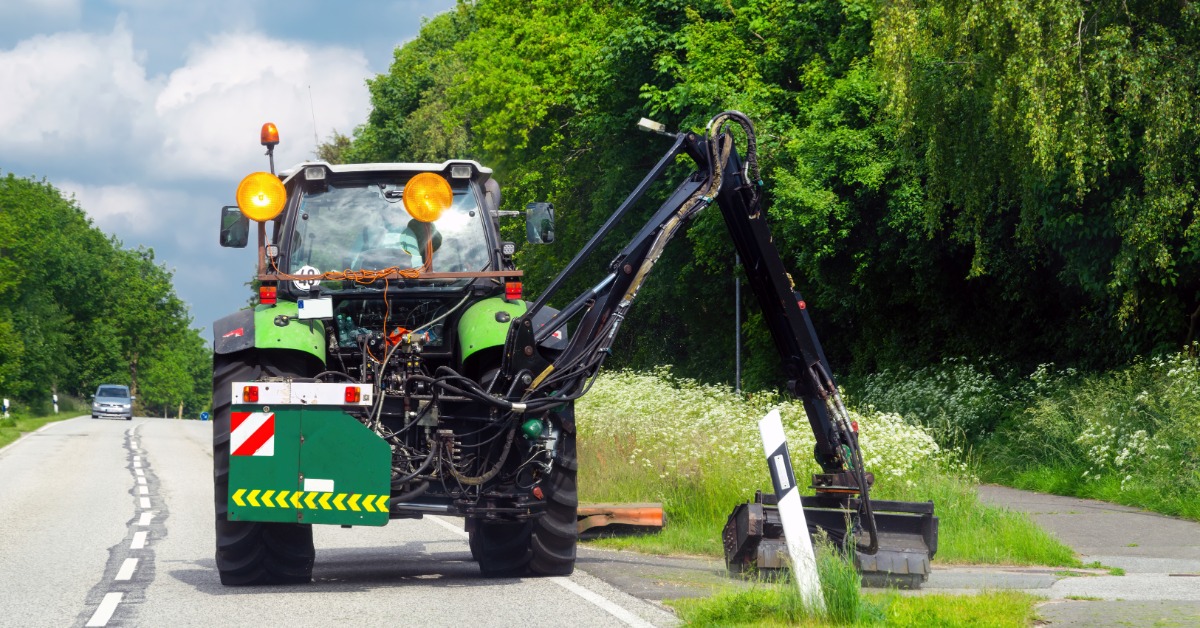
Road safety depends on more than pavement conditions, traffic signals, and clear lane markings. The landscape surrounding a roadway also influences how drivers perceive hazards and respond to changing conditions. Tall grass, encroaching branches, and unmanaged brush can obscure signs, restrict sightlines, and create dangerous situations at intersections. A thoughtful vegetation program addresses these risks before they become emergencies. Understanding how proper vegetation management improves road safety helps communities connect routine landscape work with the everyday needs of motorists, cyclists, pedestrians, and maintenance crews.
Protecting Visibility at Critical Points
Drivers need time to recognize an approaching vehicle, read a warning sign, or notice someone entering a crosswalk. Vegetation can gradually reduce that time by blocking views around curves, driveways, intersections, and pedestrian crossings. Even a relatively small patch of tall growth may conceal a low sign or make it difficult to see a cyclist approaching from the shoulder.
Maintenance teams can prioritize locations where visibility has the greatest effect on decision-making. Regular inspections, especially during rapid growing seasons, help identify emerging obstructions. Trimming should preserve useful vegetation while restoring clear sightlines appropriate to the road design and posted speeds. The goal is not to remove every plant, but to keep growth from interfering with safe travel.
Keeping Signs and Roadside Features Visible
Signs are effective only when road users can see and interpret them in time. Shrubs, vines, and overhanging limbs may hide speed limits, directional markers, school-zone warnings, and other important information. Vegetation can also obstruct guardrail reflectors, drainage inlets, and roadside delineators that help drivers understand the road edge in poor light.
A consistent inspection schedule allows crews to find these problems before a complaint or incident draws attention to them. Visibility checks should consider different viewing angles and seasons, since foliage changes throughout the year. Maintaining access around roadside features also makes it easier for workers to inspect and repair them when necessary.
Reducing Hazards Along Shoulders
Road shoulders provide room for emergency stops, disabled vehicles, and, in some areas, people walking or cycling. When vegetation spreads into this space, drivers may have less room to recover from an unexpected maneuver. Dense growth can conceal uneven ground, debris, drainage channels, or other obstacles near the travel lane.
Managing shoulder vegetation helps preserve the intended usable area and improves awareness of roadside conditions. Crews should account for steep slopes, soft ground, and the presence of utilities before beginning work. Where a roadway borders a trail or bicycle route, maintenance plans should also reflect the needs of people traveling outside motor vehicles.
Supporting Drainage and Surface Conditions
Healthy roadside drainage systems move water away from the pavement and help protect the road structure. Excessive plant growth and accumulated organic material can block ditches, culverts, and inlets, allowing water to collect where it does not belong. Standing water may increase the risk of hydroplaning, while repeated saturation can contribute to shoulder deterioration and pavement damage.
Vegetation work should support drainage without stripping slopes of the plants that stabilize soil. Selective cutting, sediment removal, and timely ditch inspections often work better together than aggressive clearing. Coordination between mowing crews and drainage specialists helps prevent one maintenance activity from undermining another.
Planning Around Seasonal Growth and Weather
Roadside vegetation does not grow at a uniform pace. Rainfall, temperature, soil conditions, and plant species can produce rapid changes within a few weeks. Spring growth may quickly cover signs, while summer drought can leave dry material near roads and access routes. Storms can bring down limbs or push vegetation into travel corridors.
Rather than relying on the same mowing interval everywhere, agencies can use risk-based schedules. High-visibility locations may need more frequent attention than open stretches with minimal growth. Seasonal inspections also help crews prepare for storms and identify trees or branches that warrant assessment by qualified personnel.
Making Maintenance Operations Safer
Roadside work introduces hazards of its own. Crews often operate close to moving traffic, on uneven terrain, or near hidden obstacles. A well-designed maintenance program should therefore address worker safety alongside roadway conditions. Traffic-control plans, equipment checks, clear communication, and appropriate training all contribute to safer operations.
Equipment reliability matters because unexpected breakdowns can prolong work-zone exposure and disrupt schedules. Following routine maintenance for roadside mowing equipment helps crews keep machinery ready for demanding assignments. That practice is only one part of a broader safety system that also includes site assessments, protective measures, and choosing suitable equipment for the terrain.
Balancing Safety With Environmental Needs
Vegetation serves important purposes along transportation corridors. Grasses and native plants can limit erosion, absorb runoff, support pollinators, and provide habitat. Removing too much cover can leave soil vulnerable, increase maintenance needs, or encourage invasive species to spread. Effective programs distinguish between growth that creates a genuine roadway hazard and vegetation that can remain safely in place.
Selective mowing, targeted pruning, and thoughtful planting choices can preserve ecological benefits while keeping essential sightlines open. Agencies may also adjust mowing timing where practical to support native plant cycles. Clear performance standards help crews know which areas require frequent treatment and which can be managed less intensively. Documenting these distinctions also gives contractors practical guidance and helps residents understand why some roadside areas are cut more often than others.
Building a Consistent Long-Term Program
The strongest vegetation plans combine routine observation with clear priorities. Maintenance records can show which intersections repeatedly become obstructed, which slopes experience erosion, and where drainage problems return after heavy rain. This information helps managers assign crews efficiently and make a stronger case for budget decisions.
Public reports can complement scheduled inspections, but they should not replace them. Coordination among transportation, parks, utilities, and contracted crews also reduces gaps in responsibility. When expectations are documented, vegetation management becomes a predictable part of infrastructure stewardship instead of a series of reactive cleanup projects.
Safer Roads Start Beyond the Pavement
Maintaining roadside growth is not simply a matter of appearance. It protects sightlines, supports drainage, preserves usable shoulders, and helps critical signs remain visible. The best results come from pairing regular field assessments with practical scheduling, environmental awareness, and safe work practices.
For communities seeking safer travel corridors, the role of well-managed roadside vegetation in improving traffic safety deserves attention alongside pavement repairs and traffic engineering. Consistent care of the space beyond the road edge can make everyday travel more predictable while helping public agencies protect the infrastructure they maintain.