
What To Look For When Deciding on a New Project Car
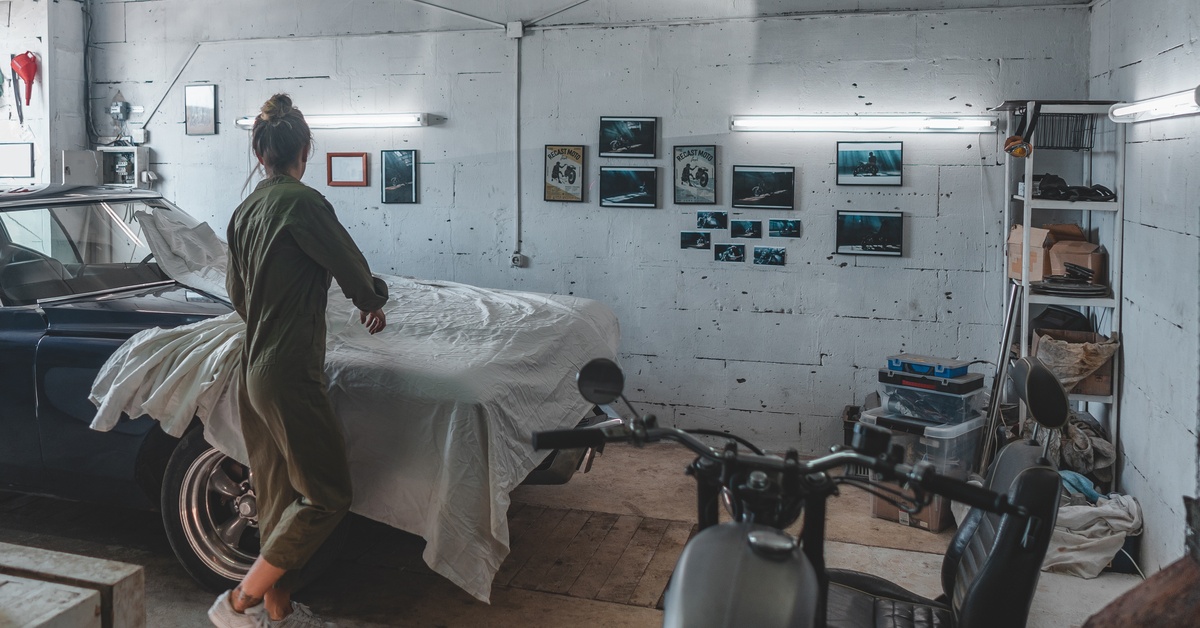
Buying a project car is one of the most exciting commitments a car enthusiast can make. It’s one of the best ways to test your mechanical skills and create something truly unique with your own hands. However, that excitement can quickly turn into frustration if you purchase the wrong vehicle.
A project car requires a significant investment of time, money, and patience. Making an informed decision before you hand over the cash is the only way to ensure your dream build doesn’t become a nightmare stranded in your garage. Below, we explain what to look for when deciding on a new project car.
Budget Considerations
Your budget dictates the scope of your entire build. You must set a realistic budget before you look at any vehicle. Most buyers focus heavily on the initial purchase price, but it is typically the smallest expense in the overall restoration.
You must account for immediate repairs, long-term upgrades, special tools, and the inevitable surprises. A cheap car can cost more in the long run because it typically needs extensive, expensive work to become roadworthy.
Availability of Parts
Researching parts availability saves you from massive headaches later in the build. Some obscure models have zero aftermarket support, meaning you have to hunt for rare parts in junkyards or fabricate them yourself.
For example, many consider the Fox Body Mustang the ultimate project car because parts are plentiful on Facebook Marketplace, at swap meets, and from used parts resellers. You want a car where buying a replacement alternator or finding a new bumper doesn’t require a three-month search and a custom order.
Vehicle History and Condition
When deciding on a new project car, you must look for its vehicle history and condition. Rust is the enemy of every project car and can destroy your budget. Surface rust is manageable, but structural rot in the frame, shock towers, or floorboards can immediately kill a project.
Look closely for signs of previous accidents, flood damage, or shoddy repairs from previous owners. Obtaining a vehicle history report helps uncover hidden issues such as title problems or odometer rollbacks. A clean, solid base makes the restoration process much smoother and safer.
Project Goals
Define exactly what you want to achieve before you buy. Do you want a factory-correct restoration, a reliable daily driver, or a high-performance track weapon? Buying a rare, numbers-matching classic is a waste of money if you plan to swap the engine and cut the fenders for a widebody kit. Confirm that the car aligns with your vision from day one so you don’t fight against the vehicle’s nature or destroy its value.
Enjoy the Build Process
Choosing the right project car sets the tone for the entire experience. By considering your budget, parts availability, and end goals, you set yourself up for success. The journey of wrenching on your own car offers immense satisfaction. Take your time finding the right chassis, and enjoy the rewarding process of bringing a machine back to life.
Once you’ve found the right vehicle, proper planning can make every repair and upgrade more enjoyable. Before turning the first wrench, check out our 6 car project prep tips for weekend DIYers to help organize your workspace, avoid common mistakes, and make your next garage project a success.