
Why Sports Simulators Are a Game-Changer
Sports simulators combine physical activity with digital technology to create new ways to practice, compete, and have fun. From year-round training and instant performance feedback to social gaming and beginner-friendly experiences, these systems are changing how athletes and casual players interact with sports.
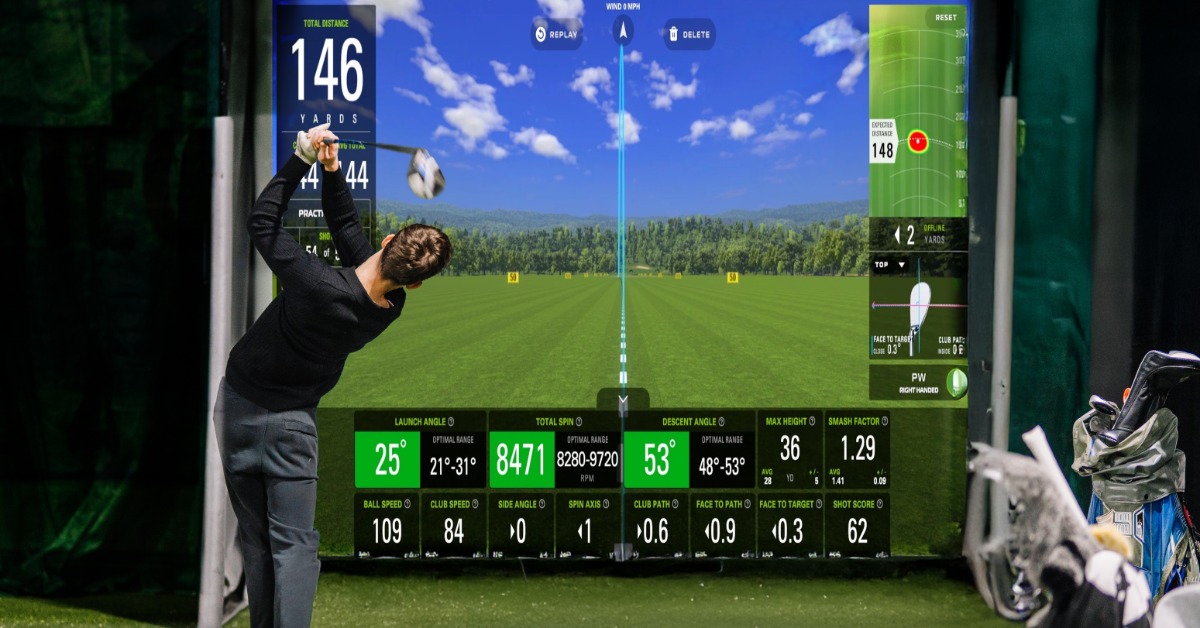
Sports have always evolved alongside technology. Better equipment and sharper analytics have changed how athletes prepare, while gaming has reshaped how fans interact with competition. Sports simulators now bring those worlds together by combining physical movement with digital feedback.
Players can swing a club, kick a ball, or take a shot while a system tracks the result in real time. Sports simulators have become a game-changer for serious practice and casual entertainment. Simulators now influence where people play, how they improve, and how groups enjoy sports together. Here are nine reasons sports simulators continue to gain attention.
1. They Make Weather Almost Irrelevant
Rain can cancel baseball practice, while snow can shut down a golf course for weeks. Extreme heat can also make outdoor training uncomfortable or unsafe. Simulators remove many of those interruptions by moving the experience indoors.
Players can practice in a controlled setting without depending on daylight or ideal field conditions. Golfers can keep swinging through winter, and athletes in other sports can continue working on specific skills when outdoor facilities become unavailable. In fact, alternative ways to enjoy golf without a course include using simulators to practice and play year-round.
2. Feedback Arrives Right Away
Traditional practice often forces players to judge results by sight and feel. A simulator can add measurable feedback after every attempt, which gives players more information about what just happened. Depending on the setup, that may include speed, accuracy, direction, or trajectory.
Those measurements can reveal patterns that players might otherwise miss. They also make practice more engaging because every attempt creates a result that players can compare with the one before it. For casual users, even a simple score can turn repetition into a personal challenge.
3. Repetition Gets Much More Specific
Every athlete understands the value of repetition, but traditional practice does not always make it easy to repeat one exact situation. A simulator can recreate the same challenge again and again without forcing a coach or player to rebuild a drill after every attempt. That consistency helps users focus on one movement or decision at a time. Coaches can also use repeated simulator scenarios to support focused development.
4. Practice Starts Feeling More Like a Game
People often stay engaged when an activity gives them a clear goal. Scores, rankings, and challenges can make repeated practice feel more rewarding without changing the skill itself. Simulators use that same gaming logic to keep players involved.
A player might try to beat a personal record or hit a target several times in a row. That structure can make drills feel less repetitive, especially for younger athletes or casual users. The added sense of challenge is another reason why sports simulators are a game-changer for people who want training to feel more interactive.
5. Beginners Can Try Sports With Less Pressure
Trying an unfamiliar sport can feel intimidating when everyone else appears more experienced. A beginner may hesitate before walking onto a golf course or entering a batting cage because they do not know the rules or expected pace. Simulators can create a more forgiving place to start.
New players can experiment without feeling that they are holding up a group. They can repeat basic movements and learn through trial and error in a contained environment. That makes sports feel more approachable for people who want to explore without committing to a full game.
6. One Space Can Offer Multiple Experiences
Traditional sports facilities often serve one main purpose. A basketball court supports basketball, while a batting cage focuses on hitting practice. Multi-sport simulator setups can offer greater flexibility within the same space. That gives players more variety without requiring a separate facility for every sport. Simulator technology can also work well in home entertainment spaces alongside other luxury technology items every man cave needs, creating a setup built for both sports and entertainment.
Operators can switch between activities by changing software, equipment, or game settings. That gives players more variety without requiring a separate facility for every sport. A group can move from one type of competition to another during the same visit, which adds more entertainment value to the experience.
7. They Turn Sports Into a Social Experience
Not every person who uses a simulator wants to improve a competitive ranking or perfect a technique. Many people simply want an activity that gives friends something fun to do together. Simulators fit that role because they combine movement with the easy social structure of a game.
Players can take turns without committing to a full match or spending hours on a field. Friends can watch, compare scores, and jump into the next round when their turn arrives. That rhythm makes simulators well suited to parties, casual outings, and group events.
8. Players Can Practice Hard-to-Recreate Situations
Some sports situations happen often, while others appear only a few times during a game. Players may struggle to practice those rare moments because traditional sessions depend on other people or field conditions. Simulators can help recreate selected situations more consistently.
An athlete may use a system to practice a particular shot or target several times in one session. That does not make simulation identical to live competition because real games still include pressure, fatigue, and unpredictable opponents. However, repeated exposure can help players become more comfortable with a specific challenge before they face it in competition.
9. The Line Between Sports and Gaming Keeps Blurring
Sports video games and physical sports once occupied very different spaces. Simulators now connect them by asking players to perform real movements inside a digitally controlled environment. The result feels part competition and part game.
Digital courses and virtual opponents can give the experience a familiar gaming feel while players still rely on physical skill. That crossover makes simulators especially appealing to people who already enjoy both sports and games. They no longer need to choose between the two experiences when one activity can offer elements of both.
More Than a High-Tech Practice Tool
Sports simulators will not replace courts, courses, fields, or rinks. They do not need to replace traditional sports spaces to matter. Their biggest strength comes from giving people another way to train and play.
Athletes can use simulators for focused practice, while beginners can explore unfamiliar sports in a more comfortable setting. Friends can also turn a casual session into a competitive social activity. That flexibility gives simulator-based sports a clear place in modern sports culture.
As technology improves, simulators will likely continue to shape how people interact with sports away from traditional venues. Their appeal comes from making practice easier to access while keeping the experience engaging. When sports and digital entertainment meet in the same space, people gain more ways to participate.