
Common Warehouse Problems That Quietly Hurt Productivity
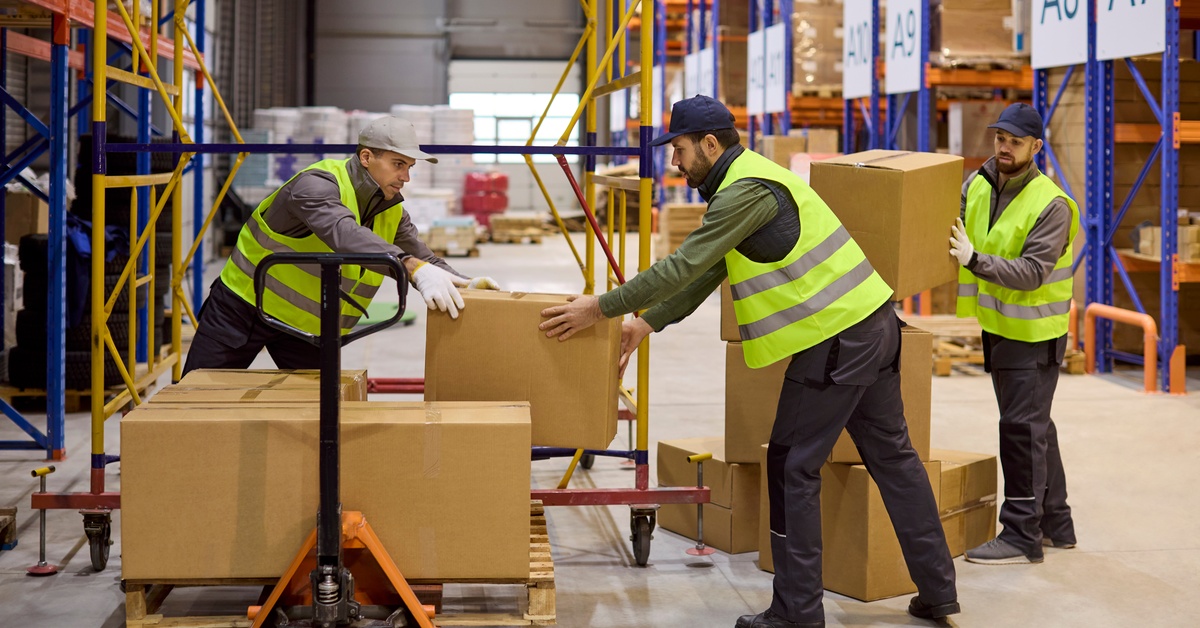
Warehouses are built around movement—products arrive, inventory gets stored, orders are picked, and shipments leave for their next destination. When those processes work together smoothly, employees can accomplish a considerable amount without unnecessary delays. Yet even a facility that appears busy can have operational problems steadily reducing its output. Many common warehouse problems that quietly hurt productivity are not dramatic enough to attract immediate attention, which allows them to become accepted parts of the daily routine.
A few extra minutes spent searching for inventory or navigating around an obstacle may seem insignificant during a single shift. Repeated across dozens of employees, hundreds of orders, and months of operation, however, those minutes become substantial. Recognizing these less obvious sources of inefficiency can help warehouse managers improve productivity without necessarily increasing staff, expanding the facility, or making major investments.
Inefficient Warehouse Layouts
A warehouse layout should reflect how people, products, and equipment actually move through the building. Problems arise when storage areas are arranged according to available space rather than operational needs. Employees may repeatedly travel from one end of the facility to another, forklifts may cross heavily used pedestrian areas, and frequently picked products may be stored in inconvenient locations.
These inefficiencies can become more noticeable as a business grows. A layout that worked well when inventory levels were lower may eventually create bottlenecks as order volume increases. Periodically reviewing travel patterns and product movement can reveal opportunities to shorten picking routes, improve staging areas, and position frequently accessed inventory closer to the locations where it is needed.
Clutter That Gradually Takes Over Work Areas
Warehouse clutter rarely appears overnight. Empty boxes accumulate near packing stations, damaged pallets wait to be removed, unused equipment gets pushed into corners, and excess materials occupy valuable storage space. Because each individual item seems relatively harmless, clutter can gradually become part of the normal working environment.
The problem extends beyond appearance. Employees may have to maneuver around obstacles, search through unnecessary materials, or move items before accessing the products they actually need. Clear aisles and organized work zones make routine tasks easier to complete while helping businesses use their available square footage more effectively.
Establishing consistent procedures for removing unnecessary materials is important, and practical methods for reducing clutter in warehouse spaces can support broader efforts to keep storage and work areas manageable.
Poor Inventory Placement
Where products are stored can have a significant effect on warehouse productivity. If high-volume items are positioned far from packing or shipping areas, employees may spend unnecessary time walking or driving equipment across the facility. Meanwhile, slow-moving products could occupy some of the warehouse’s most convenient locations.
Inventory placement should therefore evolve with purchasing and sales patterns. Reviewing order frequency can help identify products that deserve more accessible storage locations. Seasonal changes should also be considered because an item that moves slowly for most of the year could become a high-volume product during a particular period.
The goal is not simply to fit everything onto shelves. Effective inventory placement reduces unnecessary movement and creates a more logical path from storage through fulfillment.
Inconsistent Labeling and Identification
Employees should not have to guess where inventory belongs or spend excessive time confirming whether they have selected the correct product. Inconsistent labels, faded location markers, confusing product codes, and poorly marked storage areas can introduce small delays into nearly every stage of warehouse operations.
Standardization makes information easier to interpret. Clear shelf labels, aisle markers, bin numbers, and product identification systems can help experienced employees work more efficiently while making the warehouse easier for new workers to understand. Good labeling can also reduce picking errors that create additional work later in the fulfillment process.
When labeling systems are updated, consistency throughout the facility matters. A mixture of old and new systems can create more confusion than either approach alone.
Unnecessary Product Handling
Every additional time a product is moved requires labor and creates another opportunity for delays or damage. In an inefficient warehouse, incoming products might be unloaded into a temporary location, moved to another staging area, transferred into storage, and eventually moved again before being picked.
Some handling is unavoidable, but repeated movement should have a clear operational purpose. Managers can examine how products travel from receiving through shipping and identify steps that do not add meaningful value. In some cases, adjusting storage locations or receiving procedures can eliminate an entire transfer.
Reducing unnecessary handling can be particularly valuable in high-volume operations because even a small improvement is repeated across thousands of products.
Poorly Organized Packing and Shipping Stations
Picking an order efficiently does little good if completed orders immediately encounter a bottleneck at the packing station. Workers need reliable access to boxes, labels, tape, protective materials, and other frequently used supplies. When these materials are stored inconsistently or allowed to run out, employees lose time searching for replacements or waiting for supplies.
Packing stations should be arranged around the tasks employees perform most frequently. Common materials need to remain within convenient reach, while less frequently used supplies can be stored elsewhere. Replenishment procedures can also prevent shortages from disrupting work during busy periods.
A well-organized packing area creates a smoother transition between picking and shipping, helping completed orders continue moving instead of accumulating in staging areas.
Failing to Measure the Right Performance Indicators
Productivity problems are difficult to address when managers cannot see where time and resources are being lost. Overall order volume provides useful information, but it does not necessarily explain why performance changes.
Tracking measures such as picking time, order accuracy, equipment downtime, inventory discrepancies, and shipping delays can provide a clearer picture of warehouse performance. Trends are often more valuable than isolated numbers because they can reveal whether a problem is temporary or becoming progressively worse.
Performance data should ultimately lead to action. Collecting numbers without using them to investigate processes simply adds another administrative task without improving operations.
Small Improvements Can Produce Significant Results
Warehouse productivity is often influenced by dozens of small operational details rather than one obvious problem. Layout decisions affect travel time, clutter affects movement, inventory placement affects picking speed, and communication affects how quickly employees respond when something changes. Individually, these issues may appear minor, but their combined impact can become substantial.
Addressing common warehouse problems that quietly hurt productivity starts with paying attention to the routine delays employees encounter every day. Businesses that regularly examine their workflows, storage practices, equipment availability, and facility organization are better positioned to identify inefficiencies before they become normal. By continuously refining these everyday processes, warehouses can increase output, make better use of existing space, and create an operation that is easier for employees to navigate and manage.