
How to Choose High-Quality Professional Audio Systems
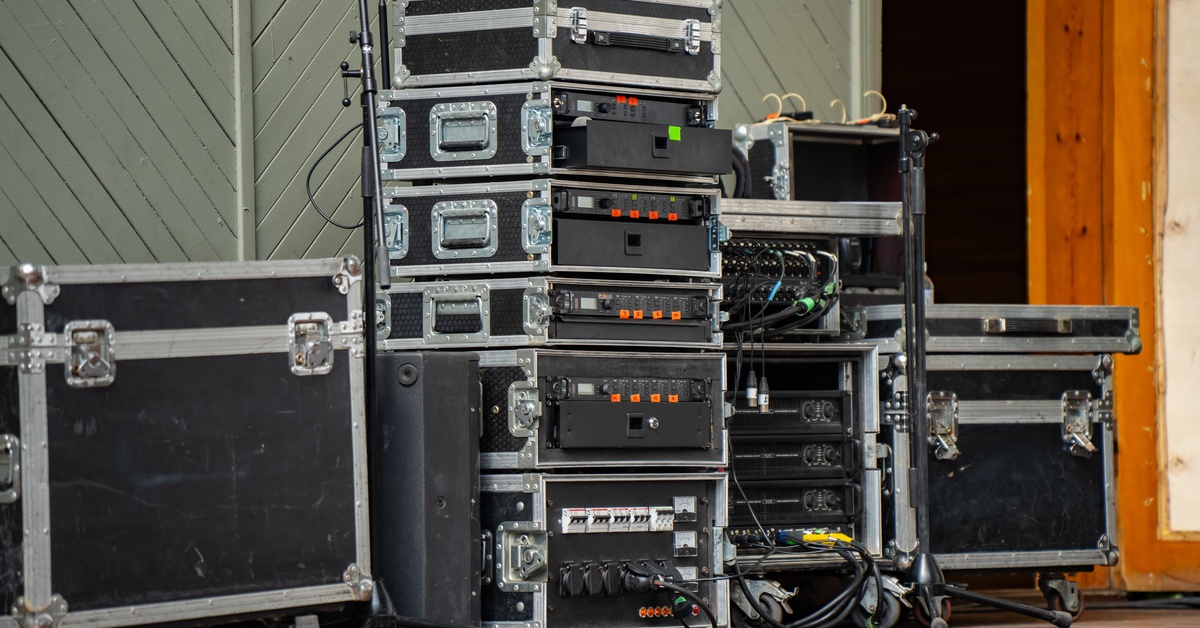
Great audio does more than increase volume. It creates an immersive experience that helps audiences stay connected with music, speeches, presentations, and live performances.
Whether you plan a concert, manage a venue, or upgrade a recording space, selecting the right equipment directly affects sound quality and reliability. Understanding how to choose high-quality professional audio systems helps you invest wisely while avoiding expensive mistakes.
Start With Your Intended Use
Every professional audio system serves a specific purpose. A setup designed for a concert stage differs greatly from one built for a conference room or podcast studio. Defining your primary application helps narrow your choices before comparing products.
Consider where the system will operate most often. Indoor environments have different acoustic challenges than outdoor venues, while portable systems require different features than permanent installations. Matching equipment to its intended use improves performance and extends the life of your investment.
Evaluate Overall Sound Quality
Sound quality should remain your highest priority throughout the buying process. Clear vocals, balanced frequencies, and accurate sound reproduction matter much more than impressive marketing claims. High-quality systems maintain consistent performance at both low and high volumes.
Listen to equipment whenever possible before making a purchase. Pay attention to vocal clarity and how naturally instruments sound across different music styles. A professional system should reproduce audio without distortion even during demanding performances.
Understand Speaker Components
Professional speakers contain several components that influence overall performance. Woofers handle low frequencies, while compression drivers or tweeters reproduce higher frequencies with clarity. The crossover network directs signals to the appropriate drivers for balanced output.
Build quality matters just as much as technical specifications. Strong enclosures reduce unwanted vibration and improve sound accuracy. Durable internal components also help speakers withstand years of regular use without sacrificing performance.
Match Power to Your Environment
Many buyers assume that higher wattage automatically means better sound. In reality, matching amplifier power to speaker capabilities creates better results than simply choosing the biggest numbers available. Properly matched equipment delivers cleaner, more consistent audio.
Room size also influences power requirements. Small venues rarely require the same output as outdoor festivals or large entertainment spaces. Selecting appropriate power levels prevents unnecessary expenses while maintaining excellent sound coverage.
Consider Coverage Instead of Volume
Professional audio systems should distribute sound evenly across the listening area. Guests sitting in the back deserve the same listening experience as people standing near the stage. Proper speaker placement and coverage patterns make a noticeable difference.
Wide dispersion works well for many applications, while narrow coverage suits spaces that require focused sound projection. Understanding these characteristics helps eliminate dead zones and reduces excessive reflections from nearby walls and ceilings.
Prioritize Reliability and Durability
Professional equipment often operates for long hours under demanding conditions. Reliable construction protects your investment while minimizing downtime during important events. Strong cabinets, quality connectors, and rugged finishes all contribute to long-term durability.
Weather resistance may also matter depending on your installation. Outdoor venues require equipment designed to handle changing temperatures and moisture. Choosing durable products today reduces maintenance costs in the future.
Compare Connectivity Options
Modern professional audio systems support a variety of connection methods. Traditional analog inputs remain valuable, while digital networking continues growing across commercial installations. Selecting flexible equipment allows future expansion without replacing your entire system.
Look for systems that integrate easily with mixers, processors, microphones, and recording equipment. Compatibility simplifies installation while reducing troubleshooting later. Modern connectivity also supports evolving production needs as technology continues advancing.
Pay Attention to Frequency Response
Frequency response indicates how well speakers reproduce the full range of audible sound. Wider frequency coverage generally provides more natural playback, although overall tuning matters just as much. Specifications alone never tell the complete story.
Compare technical data with actual listening demonstrations whenever possible. Two systems with similar measurements may sound very different because of cabinet design, crossover engineering, and driver quality. Trust both your ears and the published specifications.
Features That Add Long-Term Value
Many professional systems include useful technologies that improve everyday performance. These features increase flexibility while simplifying operation for experienced users and newcomers alike.
- Built-in digital signal processing for optimized sound.
- Protective limiters that reduce speaker damage.
- Flexible mounting options for different venues.
- Expandable configurations for future growth.
- Easy integration with existing audio equipment.
- Efficient cooling systems for extended operation.
- User-friendly controls that simplify adjustments.
Selecting practical features instead of unnecessary extras helps maximize your investment. Equipment that grows with your needs often delivers better long-term value than replacing outdated components every few years.
Think Beyond Initial Purchase Price
Budget always influences purchasing decisions, but the cheapest option rarely delivers the lowest lifetime cost. High-quality professional audio systems generally last longer, require fewer repairs, and maintain better performance over time. Spending more initially often reduces future replacement expenses.
Replacement parts, technical support, and warranty coverage also deserve careful attention. Manufacturers that provide dependable customer service help keep systems operating efficiently throughout their lifespan. Long-term support adds significant value beyond the original purchase price.
Within these considerations, buyers often research reasons to buy Canadian loudspeaker systems and parts because many manufacturers have earned strong reputations for engineering and consistent quality control. Comparing regional manufacturing standards alongside product performance provides another useful perspective during the buying process.
Research Brand Reputation
Established manufacturers build their reputations through years of consistent performance. Reading independent reviews, watching product demonstrations, and speaking with experienced users provide valuable insights beyond advertising materials. Reliable brands usually invest heavily in engineering and product testing.
Pay close attention to real-world experiences instead of focusing only on specifications. Professional installers and venue managers often identify strengths and weaknesses that product brochures never mention. Their feedback can help you avoid common purchasing mistakes.
Plan for Future Expansion
Audio needs often change over time. A small venue may eventually host larger events, while a production company might expand into new services. Choosing scalable equipment helps you adapt without replacing your entire system.
Many professional audio systems allow additional speakers, amplifiers, or digital processing components as your requirements grow. Modular designs provide flexibility while protecting your original investment. Planning ahead saves both money and installation time later.
Balance Performance With Ease of Use
Advanced technology offers impressive capabilities, but overly complicated equipment can slow production and increase frustration. User-friendly interfaces help operators make quick adjustments during live events. Clear controls also reduce training time for new staff members.
Manufacturers continue developing intelligent software that simplifies system management. Mobile apps, remote monitoring, and automatic optimization features improve efficiency without sacrificing professional performance. Modern systems should combine advanced capabilities with practical usability.
Make an Informed Final Decision
Choosing high-quality professional audio systems involves more than comparing prices or reading specification sheets. The best solution combines excellent sound quality and compatibility with your intended application. Careful research ensures your investment delivers reliable performance for years to come.
Take time to evaluate multiple options before making your final purchase. Listen to systems in real environments whenever possible and prioritize reliability alongside performance. A thoughtful buying decision creates better experiences for audiences while giving you confidence every time you power up your professional audio system.