
How To Create a Standout a Farmers Market Display
A successful farmers market display should be attractive, organized, and easy to shop. Creating a consistent visual identity, displaying products at different heights, using clear signage, and keeping clutter under control can help your booth stand out and give shoppers a better experience.
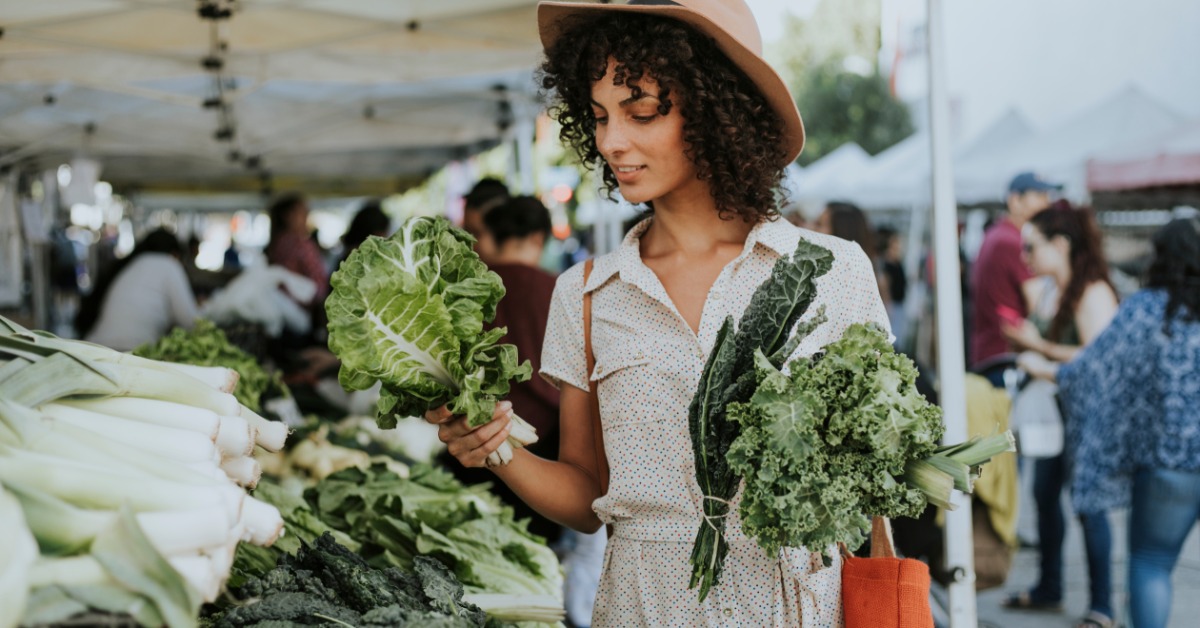
A farmers market puts dozens of talented vendors in one place, so presentation deserves as much thought as the products on the table. A polished booth can catch someone’s eye from across the aisle, introduce your brand, and give shoppers a reason to stop. Determining how to create a standout farmers market display starts with a clear identity and a space that feels pleasant to browse. Put some care into those details before market day, then refine your setup as you learn what attracts customers.
Establish a Clear Visual Identity
Your booth should give shoppers an immediate sense of your business. A flower farmer might lean into natural textures and soft details, whereas a hot sauce vendor could favor bold signs and vivid product labels. Those choices help a booth feel intentional rather than assembled from whatever happened to fit in the car.
Choose a small group of colors, materials, and decorative accents that suit your products. Repeat them across table coverings, signs, price cards, baskets, crates, and other display pieces. Consistency creates a more polished appearance without the need for elaborate décor. This is where the right tent proves incredibly valuable. For instance, one of the biggest reasons farmers markets benefit from tent rentals is that they help establish a cohesive appearance.
Give Your Products Different Heights
A flat table full of merchandise can look crowded from the aisle. Height creates visual layers and gives individual products more room to stand out. Wooden crates, sturdy risers, tiered shelves, baskets, and compact racks can add dimension without taking over the booth.
Place taller elements toward the back or sides so smaller merchandise remains visible. A bakery could display packaged loaves on raised crates behind pastries, for example. Produce vendors can use baskets at several heights to separate tomatoes, peppers, herbs, and other crops into distinct sections.
Create an Easy Path for the Eyes
Every item doesn’t need equal visual emphasis. Decide what shoppers should notice first, then build the rest of the display around that focal point. A colorful bouquet, bestselling jam, seasonal vegetable, or signature candle collection can serve as the star.
From there, arrange related merchandise in smaller groups. Give each group enough space so products don’t blur together. This approach lets shoppers absorb the booth in stages instead of confronting one large mass of merchandise.
Keep Signs Clear and Attractive
Customers shouldn’t have to search for prices or product details. Small, readable signs let people browse comfortably and reduce confusion during busy periods. They can also provide useful information about ingredients, varieties, sizes, farm practices, or product care.
Keep the wording concise and use fonts that people can read from a reasonable distance. Handwritten chalkboards can suit a rustic farm stand, and crisp printed cards may complement a modern artisan brand. Whatever style you choose, signs should look like part of the overall display rather than last-minute additions.
Make the Booth Feel Abundant, Not Cluttered
Full displays tend to feel inviting, especially for produce, flowers, baked goods, and packaged foods. There’s still a fine line between abundance and clutter. Too many products packed into a small area can hide labels, block featured items, and leave customers unsure where to look.
Group similar merchandise together and leave modest breaks between categories. Refill baskets or trays throughout the market instead of putting every piece of inventory out at once. That method keeps the booth fresh and orderly as the day progresses.
Think About How Customers Will Shop
A beautiful booth still needs to function well. Consider where shoppers will stand, how they’ll reach products, and where payment will take place. Leave enough open space near popular items so several people can browse without crowding one another.
Place delicate merchandise where it won’t get bumped. You should also keep bags, boxes, payment supplies, and backup inventory within easy reach for staff. A dedicated checkout area can also prevent traffic from collecting in the center of the booth. Good organization helps the display stay attractive during a rush.
Add Personality Without Overdecorating
Décor can make a booth memorable, but it should support the products rather than compete with them. A few well-chosen details usually have more impact than an assortment of unrelated decorations. Think potted herbs beside homemade sauces, vintage-style crates under fresh produce, or a small floral accent beside handmade soaps.
Seasonal touches can work well, too. Pumpkins and warm textures fit an autumn market, and fresh greenery can suit spring events. Keep decorative pieces away from valuable table space so merchandise remains the main attraction.
Prepare for Outdoor Conditions
Farmers markets come with sun, wind, heat, and the occasional surprise from the forecast. Display materials should be sturdy enough for the environment. Loose papers and delicate decorations can become a headache once a breeze picks up. Secure signs and table coverings, use stable display fixtures, and keep weather-sensitive products protected. If your market setup includes a tent or canopy, arrange merchandise so shade covers products and customers effectively.
Keep Storage Out of Sight
Another easy way to create a standout farmers market display is to tuck your storage somewhere safe and secluded. Extra inventory is useful, but cardboard boxes and personal bags can distract from an otherwise polished setup. Create a concealed storage zone beneath covered tables or toward the back of the booth. Keep frequently used supplies accessible without leaving them scattered across customer-facing surfaces.
A few labeled bins can help staff find bags, receipt supplies, replacement signs, cleaning cloths, and extra merchandise fast. Good storage also makes restocking less disruptive. The front of the booth stays composed even during the busiest part of the market.
Give Shoppers a Reason To Remember You
A farmers market purchase can lead to a long-term customer relationship. Include your business name where visitors can see it and provide an easy way for them to reconnect after the event. Business cards, social media details, website information, or small branded inserts can all serve that purpose.
Place those materials near checkout or another natural stopping point. Keep the presentation neat rather than covering the table with promotional pieces. Your products should remain the focus, with brand information available for customers who want to stay connected.
Test your setup before market day and adjust anything that feels crowded or hard to understand. After each event, note where shoppers stopped and what parts of the booth received the most attention. Those observations can guide small improvements from one market to the next.