
How To Reduce Wear and Tear in Community Parks
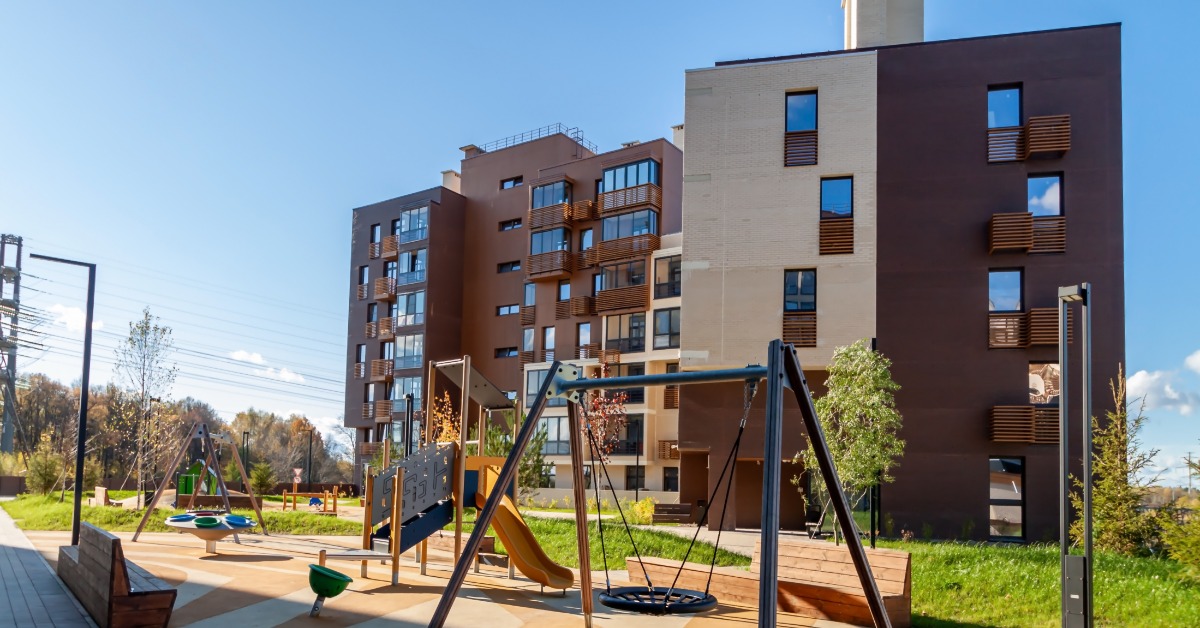
Community parks host everything from weekend soccer games to neighborhood celebrations, but all that activity comes with a price. Every running footstep, crowded playground, and outdoor gathering contributes to gradual wear across shared recreational spaces. Fortunately, reducing wear and tear in community parks doesn’t mean limiting the fun or turning public spaces into areas filled with restrictive signs.
The secret involves smarter maintenance, durable materials, and thoughtful planning that keeps parks ready for the next big event. Here are eight practical ways communities can protect their favorite outdoor gathering spots without sacrificing the experiences that make them special.
Identify the Areas That Get the Most Action
Every park has its unofficial hotspots. Maybe it’s the basketball court where pickup games happen every afternoon or the playground that attracts families throughout the weekend.
These high-traffic areas usually experience faster deterioration than quieter sections of the property. Foot traffic can compact soil, repeated equipment use can loosen components, and heavy activity can accelerate surface wear.
Park managers should identify these locations and prioritize inspections accordingly. Observing how visitors actually use the property often reveals maintenance needs that aren’t obvious on a standard site map.
A walking path that cuts across the grass, for example, may indicate that visitors need a more convenient designated route. Recognizing that pattern early can prevent widespread turf damage.
Create a Maintenance Schedule That Matches Park Activity
A community park doesn’t experience the same level of activity every day. Summer festivals, school vacations, sports tournaments, and seasonal celebrations can create dramatic changes in visitor numbers.
Maintenance schedules should account for these fluctuations rather than relying exclusively on fixed inspection intervals. A playground that receives heavy use during a holiday weekend may need additional attention afterward.
Teams can organize maintenance around three general priorities, such as:
- Daily checks: Identify litter, obvious hazards, and problems that require immediate attention.
- Routine inspections: Examine equipment, surfaces, drainage, and other frequently used features.
- Seasonal maintenance: Address weather-related deterioration and prepare facilities for changing activity levels.
- Post-event assessments: Evaluate heavily used areas after festivals, tournaments, or large gatherings.
- Long-term planning: Review replacement schedules and budget for major improvements.
This approach helps maintenance teams direct resources toward the areas that need them most. It also prevents small issues from remaining unnoticed until repairs become considerably more expensive.
Choose Playground Materials That Can Handle Real Life
Playgrounds endure an impressive amount of daily activity. Children climb, swing, slide, and explore equipment with enthusiasm that few other public facilities experience.
Durable materials can help playgrounds withstand repeated use, but no component lasts indefinitely. Metal structures may develop corrosion, plastic surfaces can experience ultraviolet degradation, and moving parts gradually wear through normal operation.
Surfacing also requires ongoing attention. Loose-fill materials may shift or become displaced, while unitary surfaces can develop cracks or other damage that affects performance.
Park operators can use a practical guide to playground asset management to better understand how equipment inventories, inspection records, and replacement planning contribute to safer recreational spaces.
Give Sports Facilities Their Own Maintenance Strategy
Sports facilities face different challenges from playgrounds and picnic areas. Basketball courts experience repeated impacts and surface abrasion, while soccer fields endure concentrated running and frequent changes in direction.
Natural grass fields require careful attention to soil compaction, drainage, and recovery periods. Allowing repeated play on saturated turf can accelerate damage and create uneven playing conditions.
Hard-surface courts need inspections for cracking, surface deterioration, and drainage problems. Damaged areas can become trip hazards or affect the way athletes move across the playing surface.
Make Walking Paths More Durable
Walking trails connect the different experiences that make a community park enjoyable. Unfortunately, these routes can deteriorate quickly when drainage problems, erosion, and concentrated foot traffic go unchecked.
Uneven surfaces may develop around tree roots or areas where water repeatedly crosses the path. Cracks and loose materials can also create accessibility concerns for visitors using mobility devices.
Maintenance teams should inspect paths for changes in surface condition and address drainage problems before they worsen. Choosing appropriate materials for local weather conditions can also reduce premature deterioration.
Prepare Parks for Festivals and Outdoor Entertainment
Community parks frequently serve as venues for concerts, food festivals, movie nights, and cultural celebrations. These events bring people together, but temporary installations and large crowds can place additional stress on the landscape.
Event organizers should coordinate with park managers before setting up stages, vendor areas, or heavy equipment. Identifying suitable locations can protect vulnerable turf, irrigation components, and underground utilities.
Temporary protective flooring may distribute pedestrian loads in appropriate locations. Organizers should also establish designated delivery routes and waste collection points to minimize unnecessary disruption.
After an event, maintenance teams can inspect the grounds for compacted soil, damaged vegetation, and surface deterioration. Prompt attention can prevent temporary damage from becoming a long-term problem.
Improve Drainage Before Small Problems Spread
Water can cause extensive damage when park drainage systems fail to function properly. Standing water may weaken soil, contribute to erosion, and accelerate deterioration around recreational equipment.
Inspecting drainage outlets, grading, and frequently saturated areas helps maintenance teams identify developing problems. Facilities with recurring flooding may require professional assessment and infrastructure improvements.
Landscaping choices can also influence runoff. Vegetated drainage features and appropriate groundcover may manage water movement when designers match them to site conditions.
Involve the Community in Protecting Shared Spaces
Park maintenance isn’t exclusively the responsibility of grounds crews. Visitors can also contribute to keeping public spaces enjoyable when communities make responsible behavior easy and accessible.
Clearly marked waste stations encourage proper disposal, while informative signs can explain why certain areas need temporary closure for maintenance. Volunteer cleanup events can also build community pride and introduce residents to the work required to maintain public facilities.
Technology offers additional opportunities for participation. Online reporting forms or municipal service apps can help visitors alert staff to damaged equipment, overflowing trash containers, or other concerns.
Keep Community Parks Ready for What’s Next
A great park should feel welcoming whether visitors arrive for a morning walk, an afternoon basketball game, or a major neighborhood celebration. Maintaining that experience requires attention to the infrastructure supporting every activity.
With consistent inspections, practical improvements, and long-term community park maintenance, public spaces can remain attractive and functional despite heavy use. Investing in durability today ensures that future generations can enjoy the same places for recreation, entertainment, and connection.