
The Only Ways People Reach Earth’s Toughest Terrain
Reaching Earth’s toughest terrain requires more than determination—it demands the right tools, planning, and adaptability. From helicopters and off-road vehicles to boats and on-foot travel, each method plays a key role in navigating extreme environments.
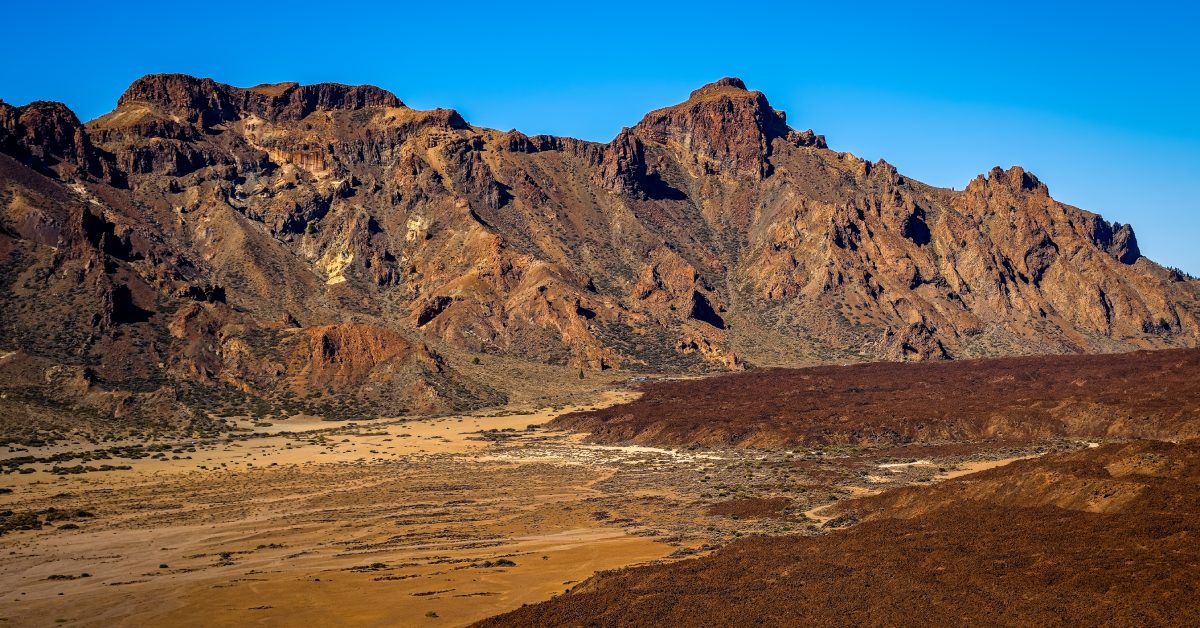
Some places on Earth don’t welcome visitors. Sharp mountain ranges, frozen tundras, dense jungles, and endless deserts challenge every step. That’s why the only ways people reach Earth’s toughest terrain involve skill, planning, and tools built for extremes. That’s why the only ways people reach Earth’s toughest terrain involve skill, planning, and tools built for extremes, often creating moments that feel like cinematic travel experiences in the process.
Helicopters: Precision Over Power
When roads disappear completely, helicopters become the most reliable option. They allow access to high-altitude ridges, glaciers, and remote valleys that no vehicle can reach.
Pilots don’t merely fly; they continuously adapt to wind changes and thin air. Flying a helicopter in mountainous areas requires accuracy, rapid decisions, and a thorough grasp of how altitude influences performance.
Off-Road Machines Built for Abuse
In deserts and rocky landscapes, off-road vehicles become essential. Standard cars fail fast, but specialized rigs push through heat, sand, and uneven ground.
Drivers rely on reinforced frames, upgraded suspensions, and tires designed to grip unstable surfaces, often following proven strategies for equipping vehicles for off-road conditions.
Water Routes to Hard-to-Reach Places
Some of the toughest terrain hides behind water barriers. Remote islands, mangrove swamps, and icy coastlines require boats designed for rough conditions.
Navigating these areas takes more than a map. Strong currents, hidden obstacles, and sudden weather changes force captains to stay alert at all times.
On Foot: No Shortcuts Left
When machines can’t go further, people continue on foot. This often happens in dense jungles or narrow mountain paths, where equipment becomes more of a burden than a benefit.
Travelers carry supplies, navigate manually, and adjust to unpredictable terrain. Every decision matters, from where to step to when to stop and rest.
What It Really Takes to Get There
Reaching extreme terrain doesn’t happen by chance. Every successful trip depends on preparation and awareness.
Here’s what people always factor in:
- Weather patterns that can change within hours
- Terrain mapping and route planning
- Emergency supplies and backup communication
- Physical and mental endurance
Skip any of these, and the risk increases fast.
Why People Chase These Places
Despite the risks, people keep going. Some chase the thrill, others look for untouched landscapes, and many want to test their limits.
Filmmakers capture rare footage, scientists study environments few have seen, and adventurers push beyond comfort zones. The challenge itself becomes part of the reward.
Extreme terrain doesn’t care about convenience. It demands respect, preparation, and the right approach. The only ways people reach Earth’s toughest terrain come down to using the right method at the right time. Whether by air, land, water, or on foot, success depends on adapting to the environment rather than trying to control it.