
What First-Time RV Owners Often Overlook About Vehicle Care
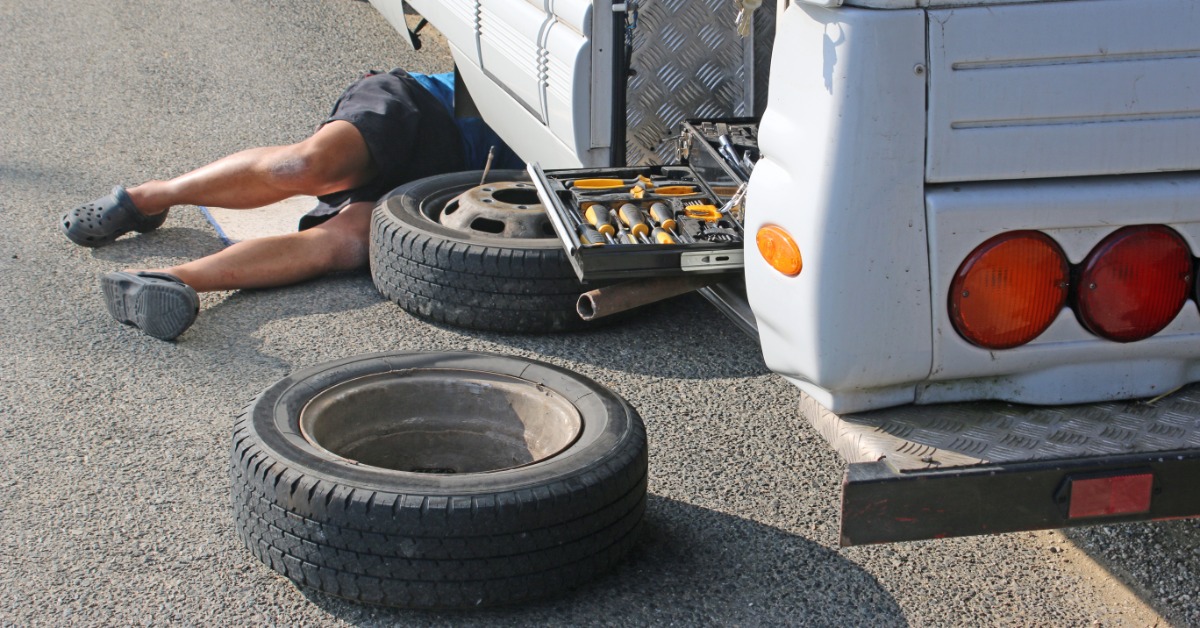
Buying an RV opens the door to spontaneous weekends, extended vacations, and a different way of experiencing the outdoors. Yet the excitement of planning routes and choosing campsites can overshadow the responsibilities that come with owning a home on wheels. Unlike a passenger vehicle, an RV combines automotive components with plumbing, electrical equipment, appliances, and a living space exposed to changing weather. Understanding what first-time RV owners often overlook about vehicle care helps new owners avoid preventable damage and keep travel plans running smoothly. The most useful habits often involve systems that are easy to forget until something stops working.
Looking Beyond the Engine and Tires
Oil changes and tire pressure are familiar concerns, but an RV requires a broader inspection routine. Tires can age even when their tread appears healthy, particularly when the vehicle spends months parked. Owners should check tire age, sidewalls, load ratings, inflation, and the manufacturer’s replacement guidance.
Brakes, suspension components, and fluid levels also deserve attention before long trips. For motorhomes, engine and chassis maintenance schedules may differ from those for the living-area equipment. For towable RVs, wheel bearings, trailer brakes, hitch hardware, and breakaway systems introduce additional responsibilities. Keeping separate records for these systems makes overlooked service less likely.
Paying Attention to Roof Seals and Exterior Openings
Small gaps around roof vents, windows, doors, and exterior fixtures can admit water long before a stain appears indoors. Sunlight, road vibration, and temperature changes gradually affect sealants and gaskets. New owners sometimes assume that a relatively new RV is automatically watertight, but regular visual inspections remain important.
Check seams according to the manufacturer’s schedule, especially after severe weather or extended travel. Use compatible sealant products when repairs are necessary rather than covering every joint with a generic material. Addressing a minor opening early is considerably easier than replacing damaged insulation or wall panels.
Managing the Interior Environment
An RV’s compact living space can accumulate humidity quickly when occupants cook, shower, or dry wet clothing. Condensation may form on windows or hidden cold surfaces, especially during cooler nights. Persistent dampness can affect fabrics, cabinets, and other interior materials.
Everyday habits such as using exhaust fans, opening vents when conditions permit, and wiping down wet surfaces can help. Owners can also review practical methods for reducing moisture and humidity in an RV before a lengthy trip. Humidity management belongs within a larger approach to indoor comfort that includes air circulation, appropriate heating, and routine cleaning.
Understanding Water Systems Before They Fail
Freshwater tanks, pumps, water heaters, and wastewater connections all require attention that many beginners have never encountered. A small leak beneath a sink can go unnoticed because storage compartments hide the plumbing. Inspect visible connections periodically, listen for a pump that cycles unexpectedly, and check the area around fixtures for dampness.
Learn the locations of shutoff valves and low-point drains before an emergency. Properly sanitizing the freshwater system and following approved winterization procedures are equally important. Freezing temperatures can damage pipes and fittings, so seasonal preparation should begin before the first cold night rather than after it.
Treating Batteries and Electrical Connections as Routine Maintenance
RV electrical systems can include shore power, house batteries, an inverter, solar equipment, and a separate starting battery. Understanding which devices draw power from each source prevents confusion at a campsite. Battery care depends on chemistry, so owners should follow the manufacturer’s instructions for charging, storage, and inspection.
Inspect accessible cords and connectors for damage or signs of overheating, and avoid using unsuitable adapters or overloaded circuits. Test smoke and carbon monoxide alarms regularly, and keep detectors appropriate for the RV’s equipment. Electrical problems should be assessed by qualified technicians when diagnosis or repair exceeds basic owner checks.
Remembering That Appliances Need Their Own Care
Refrigerators, air conditioners, furnaces, water heaters, and ventilation fans are easy to treat as ordinary household fixtures. In an RV, however, travel vibration, dust, restricted airflow, and intermittent use create different maintenance demands. Clean accessible filters and vents as directed, and keep exterior appliance openings unobstructed.
An air conditioner struggling to cool may need filter maintenance rather than an immediate replacement. Likewise, an unusual appliance smell or repeated shutdown should prompt inspection instead of repeated attempts to restart it. Manufacturer manuals provide the safest starting point for service intervals and operating limits.
Checking Weight and Storage Decisions
An RV can look spacious while having surprisingly little available cargo capacity. Filling cabinets with cookware, tools, water, and recreational gear can push the vehicle beyond its weight limits. Review the RV’s weight labels and understand gross vehicle weight, axle ratings, and hitch or tongue-weight requirements where applicable.
Weighing the loaded RV offers a clearer picture than guessing from the amount of storage space. Secure heavy items low and prevent loose belongings from shifting in transit. Proper loading supports braking, handling, and tire performance while reducing strain on interior fixtures.
Building a Practical Pre-Trip and Post-Trip Routine
A short inspection before departure can prevent inconvenient roadside surprises. Walk around the RV to check lights, tires, compartment doors, steps, awnings, and connections. Inside, secure cabinets, confirm that windows and vents are positioned appropriately, and verify that appliances are ready for travel. After returning, remove perishable food, clean spills, inspect for new leaks, and address any unusual noises or equipment behavior noted during the trip.
Writing down small issues immediately helps ensure they are resolved before the next departure. A simple maintenance log can also reveal recurring problems and document work completed. Before a first trip, practice connecting and disconnecting utilities at home or in a controlled setting. This makes campsite setup less stressful and reduces the chance of damaged fittings.
It is also worth learning how to operate leveling equipment correctly and when stabilizers should be used. Store emergency supplies where they can be reached without unpacking the entire vehicle. Finally, keep digital or printed copies of key manuals, warranty information, and service contacts. These small preparations help owners respond more confidently when plans change far from home.
Making Care Part of RV Ownership
The biggest adjustment for new owners is recognizing that maintenance is not a single annual appointment. It is a series of manageable checks spread across driving days, campsite stays, storage periods, and seasonal transitions. Learning which vehicle-care responsibilities first-time RV owners commonly miss makes those checks easier to prioritize. Owners who become familiar with their manuals, follow equipment-specific schedules, and respond promptly to minor warning signs are better positioned to enjoy dependable trips. With consistent attention, vehicle care becomes a normal part of the travel experience rather than an unwelcome interruption.