
What To Consider Before Purchasing a Yacht
Before purchasing a yacht, consider how you plan to use the vessel, your total ownership budget, the appropriate size, maintenance requirements, marina availability, and transportation needs. A professional inspection and sea trial can also help identify potential issues before you complete the purchase.
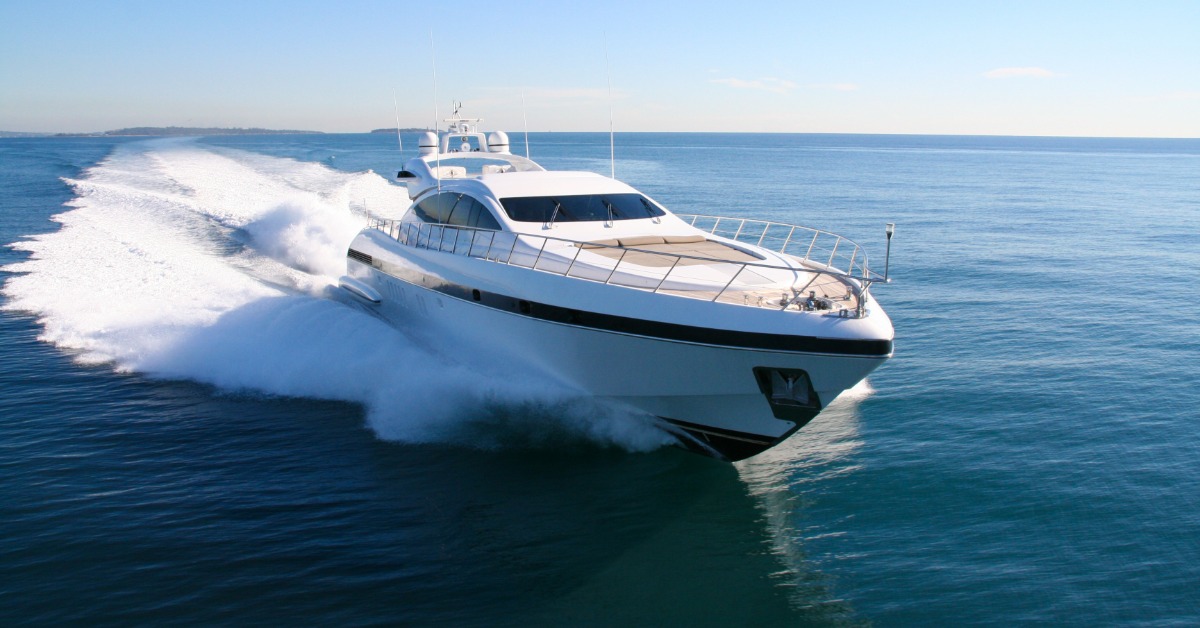
Purchasing a yacht can open the door to relaxing weekends, extended cruises, and memorable experiences on the water, but ownership also comes with significant responsibilities. The right vessel should match how you plan to use it while fitting comfortably within your financial and practical limits. Before committing to a particular model, think beyond its appearance and initial price. Understanding what to consider before purchasing a yacht helps you evaluate each option carefully and choose a vessel that can support your boating plans for years to come.
Define How You Plan To Use the Yacht
Start by deciding what you want your yacht to do. A vessel designed primarily for short coastal outings may have different features than one intended for long-distance cruising. Consider how often you expect to travel and how much time you want to spend aboard. Your preferred destinations also influence the size, range, layout, and equipment that will serve you well. Owners who want to become more hands-on with their time on the water may also discover some of the surprising benefits of learning how to sail, from developing new skills to gaining a deeper appreciation for boating.
Think about who will regularly join you. A couple may prioritize an efficient layout and manageable size, while a family may need additional sleeping areas or more shared space. If you frequently entertain guests, comfortable gathering areas may matter more than extra storage. Defining your expected use prevents attractive but impractical features from distracting you during the buying process.
Establish a Realistic Ownership Budget
The purchase price represents only part of the financial commitment. Yacht owners also pay ongoing expenses that keep the vessel safe and ready for use. Before shopping seriously, create a budget that accounts for costs you will face after closing.
Marina fees can vary based on yacht length and location. Insurance costs depend on the vessel’s value and intended cruising area. Routine maintenance and fuel can also affect annual spending. Rather than stretching your budget to obtain the largest yacht possible, leave enough financial flexibility to maintain the vessel properly.
Choose an Appropriate Size
Larger yachts provide more interior room, but increased size can create additional responsibilities. A bigger vessel may require a larger slip and specialized handling. Some owners may also need professional crew members depending on the yacht’s complexity and their experience. For owners considering a professionally staffed vessel, understanding how to create a more dynamic yacht crew environment can also help make life aboard more organized and enjoyable.
Consider how comfortable you feel operating the vessel in marinas and tight waterways. If you plan to handle most trips yourself, choose a size that matches your boating skills. Owners who intend to hire a captain can consider larger options, but they should include crew accommodations and employment costs in their planning.
Compare New and Pre-Owned Options
New yachts offer modern technology and the opportunity to select certain finishes or equipment. Buyers may also value knowing the vessel has no previous ownership history. However, new models generally require a larger upfront investment and may experience depreciation after purchase.
Pre-owned yachts can provide strong value, particularly when previous owners maintained them carefully. They may include useful upgrades that would cost extra on a new vessel. Still, age alone does not reveal a yacht’s condition. Review maintenance records and investigate how the previous owner used the vessel before deciding whether the asking price makes sense.
Evaluate the Layout and Onboard Comfort
A yacht can look impressive at the dock yet feel inconvenient once you spend several days aboard. Walk through the vessel with your normal routines in mind. Pay attention to cabin access and usable living space. Make sure the layout supports the number of people you expect to accommodate regularly.
Storage deserves careful consideration as well. Longer trips require room for clothing and recreational gear. Check whether you can easily access storage areas while guests use the cabins. You should also evaluate ventilation and climate-control systems, especially if you plan to cruise in areas with extreme temperatures.
Inspect the Yacht Before Closing
Never rely solely on photographs or a brief walkthrough when evaluating a major purchase. Arrange for a qualified marine surveyor to inspect the yacht before you finalize the transaction. A survey can reveal structural concerns or maintenance needs that may not appear during a casual viewing.
A sea trial also gives you valuable information about the yacht’s performance. Observe how the vessel handles at different speeds and how the engines respond under load. Listen for unusual vibration or noise while underway. Test important onboard systems so you understand their condition before ownership transfers.
Review Maintenance Requirements
Every yacht requires regular attention, but maintenance demands differ between vessels. Ask about service intervals for engines and mechanical systems. Determine whether replacement parts are readily available and whether qualified technicians work near your home marina.
Consider the exterior materials and finishes, too. Some surfaces require frequent cleaning or refinishing to maintain their appearance. Complex electronics can also create additional service needs as equipment ages. Understanding these requirements beforehand helps you determine whether a particular yacht fits the time and money you want to dedicate to upkeep.
Consider Where You Will Keep the Yacht
Secure a suitable place for the yacht before completing the purchase whenever possible. Popular marinas may have limited availability for larger vessels, and the nearest open slip may not accommodate your preferred model. Confirm the vessel’s dimensions and utility requirements with the marina.
Location also affects how often you use the yacht. A convenient marina can make spontaneous outings easier, while a distant berth may turn every trip into a larger commitment. Easy access to fuel and maintenance support can also simplify ownership throughout the boating season.
Plan for Transportation and Delivery
The yacht may not be located near the marina where you intend to keep it. Discuss delivery arrangements before closing so you understand the additional time and expense involved. The logistics of transporting a newly purchased yacht after closing can vary considerably based on vessel dimensions, starting location, and final destination.
Some yachts can travel to their new marina under their own power, while others may require specialized transport. Routes can involve clearance restrictions or seasonal considerations. Planning delivery early helps you coordinate insurance coverage and marina arrival without creating unnecessary delays after the sale.
Think About Resale Potential
Even if you expect to keep your yacht for many years, consider how future buyers may view it. Established brands with reliable service networks may attract a broader resale market. Practical layouts and well-documented maintenance can also make a vessel easier to sell later.
Avoid choosing highly personalized modifications unless they will improve your experience enough to justify their cost. Future buyers may not share the same preferences. Protecting the yacht’s condition and keeping detailed service records can preserve its appeal when you eventually decide to upgrade or sell.
Make a Confident Yacht Purchase
A yacht should complement the way you want to spend your time on the water rather than create financial or logistical strain. Carefully evaluating intended use, ownership expenses, condition, and long-term responsibilities can help you narrow your choices. When you understand what to consider before purchasing a yacht, you can approach the buying process with realistic expectations and select a vessel that suits your boating lifestyle.