
What Makes a Sports Car Feel Fast Beyond Horsepower?
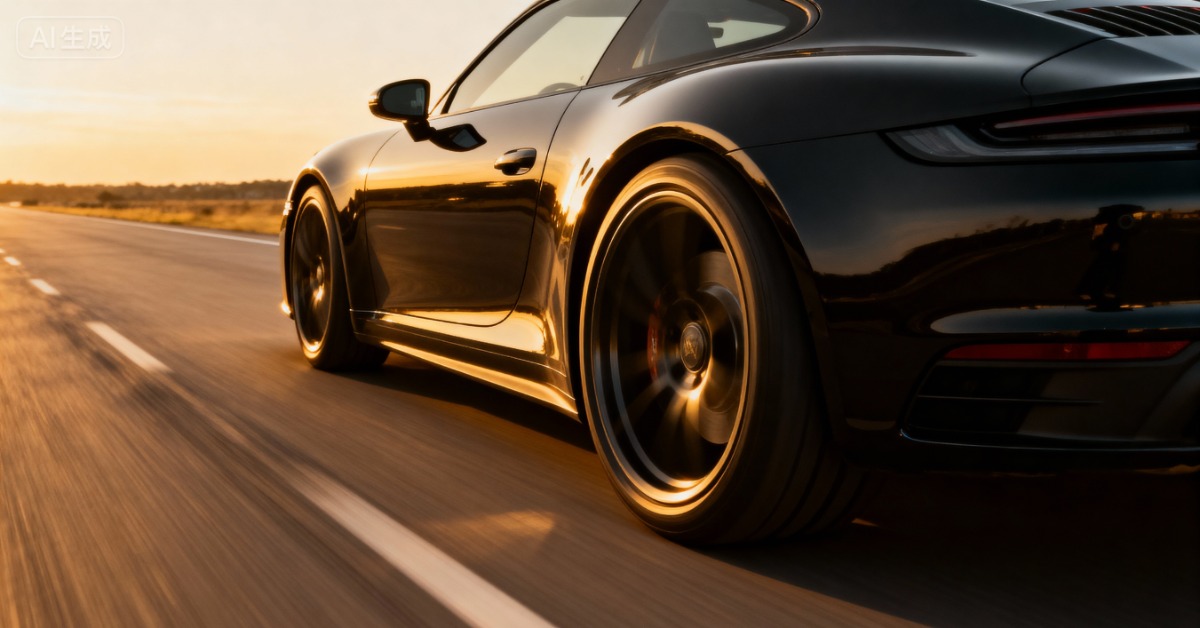
A sports car with 300 horsepower can feel more exciting than one with twice as much. Anyone who’s driven a lightweight roadster through a winding road knows that impressive acceleration figures don’t always guarantee an unforgettable experience. Sometimes, the cars that make you grin the widest aren’t the ones topping performance charts.
So, what makes a sports car feel fast beyond horsepower? Much of the excitement comes from how the vehicle responds to its driver. From the rush of acceleration to the sensation of sitting inches above the pavement, thoughtful engineering can make even moderate speeds feel exhilarating.
1. Acceleration That Hits Without Hesitation
A noticeable difference exists between a car that builds speed gradually and one that responds the moment you press the accelerator.
Torque plays an important role in that sensation. An engine with strong low-end torque delivers an immediate surge, while a high-revving engine rewards drivers who enjoy pushing through the upper end of its power range.
Throttle calibration also influences how eager a vehicle feels. Some manufacturers program aggressive throttle responses to create the impression of stronger performance, though that doesn’t necessarily improve acceleration.
A well-tuned powertrain delivers predictable power without making drivers wait for the engine to respond.
2. Lightweight Engineering That Makes a Difference
Consider the appeal of a compact roadster. It might lack the horsepower of a larger performance coupe, but its lower weight helps it accelerate more easily and change direction more readily.
Engineers pursue weight savings throughout a vehicle rather than concentrating exclusively on its body panels. Material selection matters even in smaller automotive mechanisms, where custom plastic gears can offer lightweight, quieter alternatives for suitable applications, including certain climate-control actuators.
These components won’t transform acceleration on their own, but they reflect manufacturers’ attention to reducing unnecessary mass.
Weight distribution also influences handling. A car with carefully positioned components can feel more agile through corners, even when its engine produces modest power.
3. Steering That Makes Every Turn Interesting
Nothing takes the excitement out of a sports car quite like steering that feels disconnected from the road.
A responsive steering system gives drivers a clear sense of how the front tires react as they enter a corner. Predictable resistance helps them make small corrections without constantly second-guessing the vehicle’s behavior.
Modern electric power steering allows manufacturers to adjust assistance through software. However, increasing steering weight doesn’t automatically create better feedback.
The best systems communicate useful information while filtering out unnecessary vibration, keeping the car connected without becoming exhausting to drive.
4. Suspension That Works With the Road
A rock-hard suspension might seem appropriate for a sports car, but stiffness alone doesn’t produce excellent handling.
When a vehicle enters a bend, its suspension manages weight transfer and helps the tires stay in contact with the pavement. Excessively firm springs can make the car bounce across uneven surfaces, reducing available grip.
Engineers balance spring rates with damper settings to maintain composure without sacrificing ride quality.
Some sports cars feature adaptive dampers that adjust their characteristics according to driving conditions. This flexibility lets drivers enjoy a comfortable commute without sacrificing the firmer response they might appreciate on a winding road.
5. A Gearbox That Keeps You Involved
Few automotive experiences feel quite as satisfying as selecting the right gear before accelerating out of a corner.
Shorter gear ratios multiply torque at the wheels, making a car feel eager to accelerate. Longer ratios can support higher speeds within each gear but may reduce that immediate sensation of urgency.
Manual transmissions add another layer of involvement because drivers coordinate clutch operation with gear selection. Dual-clutch transmissions offer a different experience, delivering exceptionally quick shifts that help maintain acceleration.
The better gearbox isn’t necessarily the one that changes gears fastest. Its appeal depends on how naturally it complements the engine and the driver’s preferences.
6. An Engine Sound You Can Feel
Two sports cars might reach the same speed in nearly identical times, yet one delivers a far more dramatic experience.
A naturally aspirated engine climbing toward a high redline produces a rising mechanical soundtrack. A turbocharged engine might offer a deeper exhaust note, along with distinctive induction sounds.
Those acoustic changes give drivers another way to experience acceleration, reinforcing the sensation of the engine working harder.
Manufacturers spend considerable effort tuning intake and exhaust systems to create recognizable sounds. Although some modern cars use electronic enhancements, mechanical engine noise still influences how enthusiasts judge a vehicle’s character.
7. Brakes That Give You Confidence
The ability to slow down matters just as much as the ability to accelerate when evaluating a sports car’s performance.
A progressive brake pedal lets drivers control deceleration smoothly rather than reacting abruptly. That precision becomes especially noticeable when preparing to enter a corner.
Performance braking systems often use larger components or specialized materials to manage heat during repeated stops.
However, braking hardware alone doesn’t determine stopping distance. Tire grip remains a major limitation, particularly when road conditions change.
Dependable brakes make the vehicle easier to manage, letting drivers appreciate its capabilities without worrying about its stopping behavior.
8. Tires That Bring Everything Together
All the horsepower in the world means little when the tires struggle to maintain traction.
Performance-oriented rubber compounds can improve grip under suitable conditions, helping a car accelerate more effectively and stay on its intended line through corners.
Tire construction also affects steering response. A suitable sidewall design can make directional changes feel sharper, giving drivers a clearer sense of the vehicle’s movements.
However, aggressive performance tires involve compromises. Some compounds struggle in cold temperatures, while others wear more quickly during everyday driving.
Choosing tires that match the vehicle’s purpose often makes a more noticeable difference than a modest increase in engine power.
9. A Cockpit That Amplifies the Experience
Slide into a low-slung sports car, and ordinary road speeds suddenly feel more dramatic. Sitting closer to the pavement changes how drivers perceive movement, particularly when the vehicle changes direction.
Supportive seats help occupants remain stable through corners, reducing the need to brace themselves against the interior.
Control placement also shapes the experience. A comfortable steering-wheel position supports precise inputs, while well-positioned pedals make smooth operation easier.
These details may seem minor on a spec sheet, but they shape how connected drivers feel to the vehicle on every journey.
10. Handling That Makes Moderate Speeds Exciting
Some sports cars become enthusiast favorites because they deliver enjoyment without requiring extraordinary speeds.
A balanced chassis responds naturally as drivers guide the vehicle through corners. Rather than demanding constant corrections, the car follows steering inputs with reassuring consistency.
That behavior reflects the relationship between suspension geometry and weight distribution, along with careful engineering throughout the vehicle.
A modestly powered roadster can therefore feel more entertaining on a winding road than a substantially more powerful car that struggles to communicate its movements.
The appeal comes from enjoying the drive itself rather than chasing impressive numbers.
Why the Best Sports Cars Offer More Than Power
Understanding what makes a sports car feel fast beyond horsepower reveals why acceleration figures tell only part of the story. An eager engine might create the initial rush, but satisfying steering and a well-balanced chassis keep the experience engaging.
The most memorable sports cars make drivers appreciate details that don’t show up in a horsepower rating. Whether you prefer a lightweight roadster or a modern performance coupe, the excitement often comes from how the car makes you feel rather than how quickly it reaches its maximum speed.