
When Does It Make Sense to Expand Your Farm?
Farm expansion makes the most sense when an existing operation is financially healthy, demand can support additional production, and equipment, labor, and cash flow can handle the increased workload. Evaluating these factors before investing can help farmers determine whether growth will strengthen the business or create unnecessary risk.
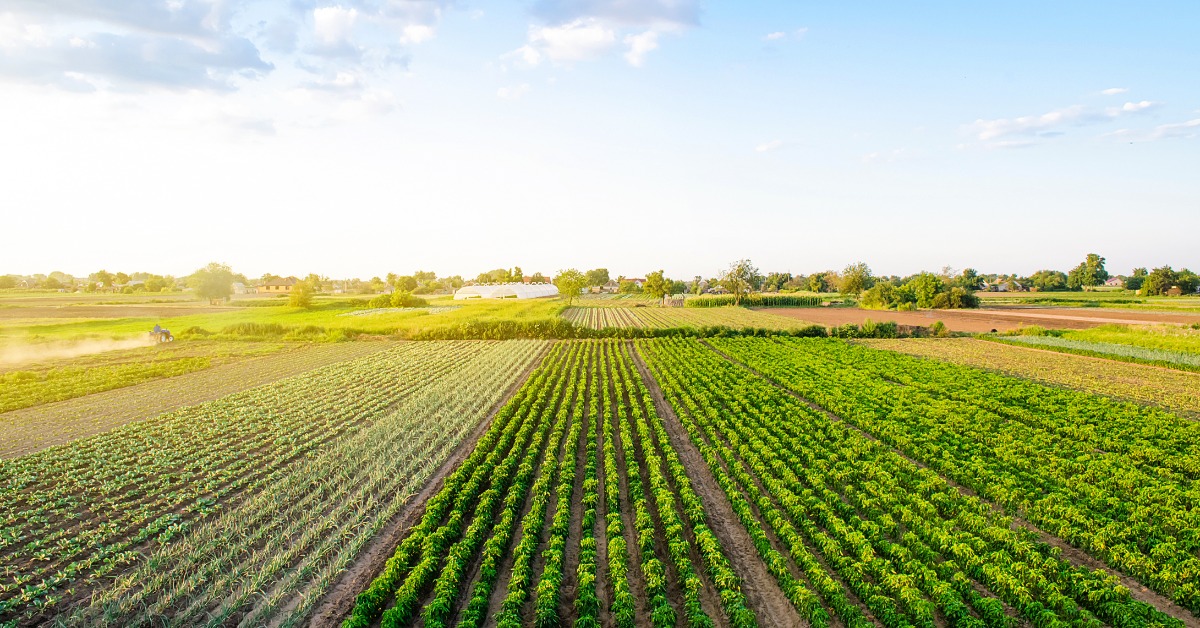
Growth can be an exciting prospect for any farming operation, but getting bigger is not automatically the same as getting better. Adding acreage, livestock, equipment, facilities, or employees can increase a farm’s earning potential while also creating new expenses and operational demands. Expansion that happens at the wrong time can put pressure on an otherwise healthy business.
That makes knowing when to expand your farm a more complicated question than simply asking whether additional land or equipment is available. A successful expansion usually starts with evidence that the existing operation can support growth. Farmers need to consider demand, profitability, cash flow, labor, equipment capacity, financing, and their long-term goals before making a major commitment.
Start With the Existing Operation
Before thinking about expansion, farmers should evaluate how efficiently their current operation is running. Growth tends to magnify existing strengths and weaknesses. A farm with reliable systems, healthy margins, manageable debt, and efficient production may be positioned to benefit from additional capacity. An operation already struggling with scheduling, maintenance, labor, or cash flow could find those problems becoming more difficult after expansion.
Profitability deserves particular attention. A farm can generate substantial revenue without producing enough profit to justify additional investment. Looking at margins across multiple seasons provides a clearer picture than relying on one unusually successful year.
Farmers should also consider whether they are consistently using their existing resources efficiently. If equipment, facilities, or employees are regularly operating below capacity, improving utilization may generate more value than purchasing additional assets.
Look for Sustainable Demand
Expansion makes the most sense when there is a reason to believe the additional production will have a market. Increasing acreage or livestock numbers without a clear path for selling the additional output introduces considerable risk.
Demand can take different forms depending on the operation. A producer may have opportunities to secure additional contracts, supply growing local markets, diversify into another crop, or meet demand from existing buyers. In other situations, neighboring acreage becoming available may create a rare opportunity to expand an established operation.
The important distinction is between expanding because an opportunity supports the farm’s strategy and expanding simply because an asset becomes available. Attractive land or equipment can still be a poor investment when it does not contribute to a clear business objective.
Understand the True Cost of Growth
The headline cost of an expansion is rarely its complete cost. Purchasing or leasing additional acreage, for example, may require more seed, fertilizer, fuel, insurance, labor, storage, and transportation. Additional land could also push existing equipment beyond its practical capacity, creating the need for larger machinery.
Livestock expansion presents similar challenges. Adding animals may require additional housing, feed storage, fencing, waste-management capacity, veterinary expenses, and labor. What initially appears to be one investment can quickly turn into several interconnected expenses.
Estimating these secondary costs before committing to expansion gives farmers a much more realistic picture of the investment. A conservative projection can also account for unexpected repairs, changing input costs, weaker commodity prices, and other variables that could affect profitability.
Consider Whether Your Equipment Can Keep Up
Equipment capacity can become an overlooked constraint when farms expand. Machinery that comfortably handles the existing acreage may become insufficient when hundreds of additional acres need to be planted or harvested within the same limited window.
This does not necessarily mean every expansion requires new machinery. Farmers should evaluate how much additional capacity exists within their current fleet and whether scheduling changes could accommodate the increased workload.
Maintenance also becomes increasingly important as equipment utilization rises. Machines operating more hours have less downtime available for repairs, making preventative maintenance and equipment reliability essential. An expansion that depends heavily on aging or already overworked machinery could create expensive bottlenecks at critical times of the season. The same principle applies when selecting specialized equipment, where understanding how to choose the right crane for your project can help ensure machinery matches the workload and operating conditions.
Evaluate Labor Before Adding More Work
Land and equipment receive much of the attention during expansion planning, but labor can determine whether growth is manageable. Additional production creates more work even when technology and larger equipment improve efficiency.
Farmers should consider who will perform that work and whether the existing team realistically has enough capacity. Long hours may temporarily compensate for a labor shortage, but they are rarely a sustainable solution.
Hiring additional workers also involves more than wages. Recruiting, training, payroll taxes, insurance, housing in some agricultural markets, and management responsibilities can increase the true cost of adding employees. These expenses need to be included when estimating whether an expansion will generate adequate returns.
Make Sure Cash Flow Can Handle the Transition
A profitable expansion can still create short-term financial pressure. Many agricultural investments require substantial spending months before they generate revenue. Seed, fertilizer, feed, fuel, labor, and equipment expenses may need to be covered throughout the production cycle.
Farmers therefore need to distinguish between long-term profitability and short-term liquidity. An expansion may look attractive over five or ten years while creating difficult cash-flow periods during the first few seasons.
Financing structure can have a major influence on how manageable those periods become. Loan terms, repayment schedules, interest costs, down payments, and working-capital requirements should fit the realities of agricultural cash flow. Understanding how to structure a farm loan for long-term growth can help put financing decisions into the broader context of an expansion plan rather than treating borrowing as a separate consideration.
Make Sure Growth Fits Your Long-Term Goals
Expansion should serve a larger purpose. Some farmers want to increase profitability, while others are preparing to bring another generation into the operation. Growth might also support diversification, create economies of scale, improve market access, or make better use of existing equipment and infrastructure.
There are also valid reasons not to expand. A farmer who values flexibility, lower debt, manageable workloads, or a particular lifestyle may decide that maintaining the current size is more attractive than pursuing maximum growth.
This is why knowing when it makes sense to expand your farm cannot be answered purely by looking at acreage, revenue, or available financing. The answer depends on whether growth improves the business in ways that align with the owner’s goals without creating unacceptable financial or operational risks.
Growth Should Strengthen the Farm
The best expansion opportunities generally build on an operation that is already working well. They solve a capacity problem, respond to genuine demand, improve efficiency, or move the farm closer to a defined long-term objective.
Careful planning does not eliminate the risks involved with growth, but it can prevent enthusiasm from overshadowing practical considerations. Farmers who evaluate profitability, cash flow, equipment, labor, financing, management demands, and downside scenarios are better positioned to distinguish a genuine opportunity from an expensive distraction.
A farm does not need to become larger to become more successful. When expansion does make sense, it should leave the operation stronger, more resilient, and better prepared for the years ahead.