
Benefits of Industrial Coatings in the Automotive Industry
Industrial coatings play an important role in protecting modern vehicles from corrosion, wear, heat, moisture, and road debris. Beyond improving durability, these specialized finishes can enhance appearance, support efficient manufacturing, and help automotive components maintain their performance and value over time.
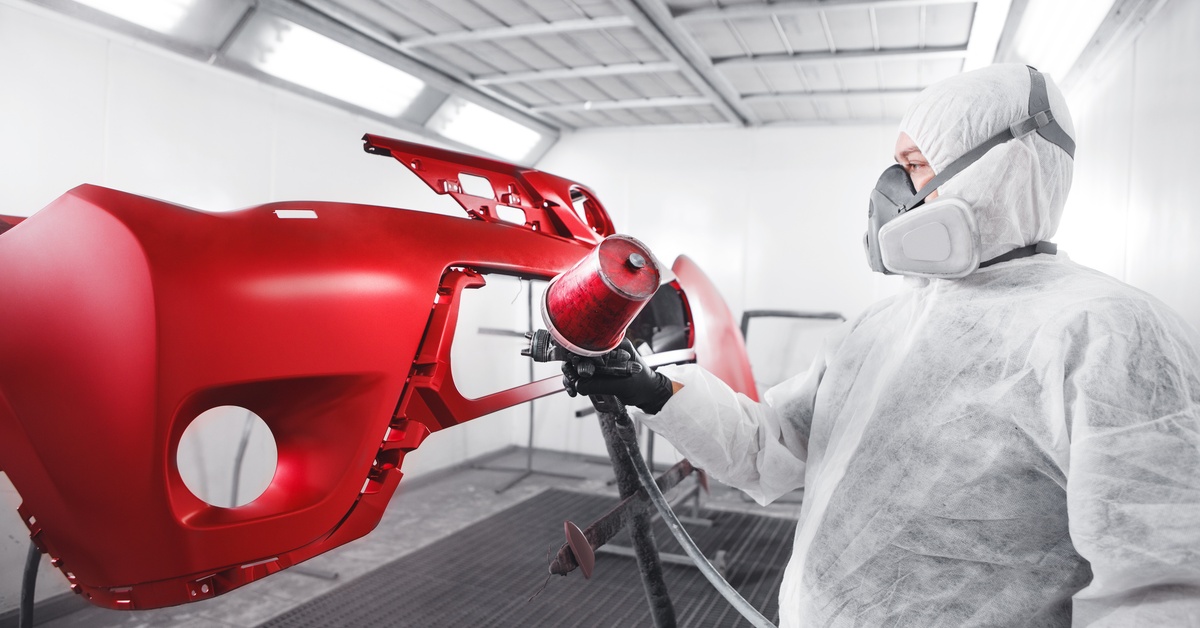
Automotive manufacturers rely on durable materials and advanced finishing processes to produce dependable vehicles. Understanding the benefits of industrial coatings in the automotive industry shows how these protective finishes enhance performance, preserve appearance, and help automotive components withstand demanding operating conditions.
Protecting Components From Harsh Conditions
Vehicles face constant exposure to moisture, road salt, heat, and debris. Industrial coatings create a protective barrier that shields metal surfaces from environmental damage before corrosion can develop. This added protection helps preserve structural integrity while reducing premature deterioration.
Many automotive parts experience repeated contact with contaminants during daily operation. Properly applied coatings prevent those substances from reaching the underlying material, allowing essential components to remain dependable through changing weather and demanding driving conditions.
Improving Durability Throughout Daily Use
Automotive parts encounter continuous friction, vibration, and impact. Specialized coatings help surfaces tolerate these challenges without wearing down as quickly as untreated materials. As a result, coatings improve wear and corrosion resistance, allowing manufacturers to produce parts that maintain their quality over extended periods.
Improved durability also supports consistent vehicle performance. Suspension components, chassis parts, fasteners, and other critical pieces benefit from protective finishes that minimize damage while maintaining their intended function.
Enhancing Appearance and Finish Quality
Industrial coatings contribute to the professional appearance consumers expect from modern vehicles. Smooth, even finishes help body panels, wheels, and other visible components maintain their color while resisting fading and surface imperfections.
Manufacturers can also use coatings to achieve specific textures or gloss levels that complement a vehicle’s overall design. These finishes continue looking attractive despite routine exposure to sunlight, rain, and road debris, helping vehicles retain a polished appearance.
Supporting Manufacturing Efficiency
Protective coatings also improve production efficiency during the manufacturing process. Modern coating systems apply consistently across complex automotive components, creating reliable coverage that reduces the need for rework.
Many industrial coatings cure efficiently while delivering dependable adhesion. This allows manufacturers to move parts through production with confidence that each finished surface will provide lasting protection. Reliable coating performance also helps reduce maintenance demands after vehicles reach customers. As production methods continue advancing, emerging technologies in industrial automation are also changing how manufacturers improve efficiency, consistency, and quality. Manufacturers can build on these efficiencies by using preventive maintenance to reduce downtime and keep production equipment operating reliably.
Long-Term Value for Vehicle Owners
Industrial coatings provide lasting benefits long after a vehicle leaves the assembly line. Protected components often require fewer repairs caused by corrosion or surface deterioration, helping owners maintain their vehicles more effectively.
A well-protected vehicle can also preserve its appearance over time, supporting stronger resale value and greater confidence in everyday driving. These advantages demonstrate why manufacturers continue investing in advanced coating technologies that balance durability with visual appeal.
Lasting Protection for Modern Vehicles
The benefits of industrial coatings in the automotive industry extend beyond creating an attractive finish. These advanced coatings protect vital components, improve long-term durability, and help vehicles perform reliably under demanding conditions. As automotive technology continues evolving, industrial coatings will remain an essential part of building dependable vehicles that stand the test of time.